Sensory Play Ideas For Beginners
📖 Table of Contents
I remember the first time I tried sensory play with my toddler — it was like watching a tiny universe of textures, colors, and sounds unfold right before my eyes. I had no idea what to expect, but I knew I wanted to create something that would engage her senses and spark her curiosity. That first experiment was messy, but it was worth it. The way she squished the playdough between her fingers, the way she giggled at the squelching sound of the water beads, it was magical in its simplicity.[1]
Sensory play is one of those parenting tools that I wish I had discovered sooner. It's not just about keeping kids entertained — it's about building neural pathways, improving motor skills, and giving them a way to express themselves when words are out of reach. For beginners, the idea of jumping into sensory play can feel overwhelming. You might not know where to start, or you might be worried about the mess, the cost, or the time it takes to set up. But the truth is, you don’t need a lot to create a meaningful sensory experience.[2]
The beauty of sensory play is that it’s accessible, adaptable, and surprisingly simple. You don’t need a lot of space or a ton of money. You don’t even need to be an expert in child development — just a parent who’s willing to experiment and see what works. I've tried dozens of sensory play ideas over the years, and some of the best ones came from the most basic materials. Whether it’s a bowl of rice, a handful of lentils, or a few drops of essential oils, the possibilities are endless and the benefits are real.[3]
Why You'll Love This Article
- Simple, no-fuss sensory play ideas that require minimal setup and materials
- Real-life insights and results from a parent who has tested and refined these ideas
- A variety of sensory experiences that cater to different developmental stages and interests
- Tips and tricks to avoid common mistakes, keep things safe, and make the most of your time
How to Start with a Simple Sensory Bin
As of October 2026, one of the easiest ways to start with sensory play is by creating a simple sensory bin. All you need is a large container — like a plastic bin or a shallow tray — and a few sensory materials. I've used rice, beans, pasta, and even shredded paper for different textures and experiences. The key is to make the bin engaging and interactive.
I remember setting up my first sensory bin with dried pasta and blue food coloring. My daughter was immediately drawn to the bright color and the smooth texture. She spent over 20 minutes exploring it, and I was amazed at how focused she was. The bin was easy to clean, and the materials were inexpensive — just a few dollars for a bag of pasta.[4]
The best part about a sensory bin is that it can be reused and modified. I’ve filled it with lentils, sand, or even small plastic animals. Each time, it was a new experience for my daughter. The bin became a favorite part of her day, and I saw improvements in her fine motor skills and hand-eye coordination.
Try setting up your sensory bin at the same time each day. This helps your child build a sense of routine and anticipation. It also makes the experience feel more special and meaningful.
The Power of Natural Materials
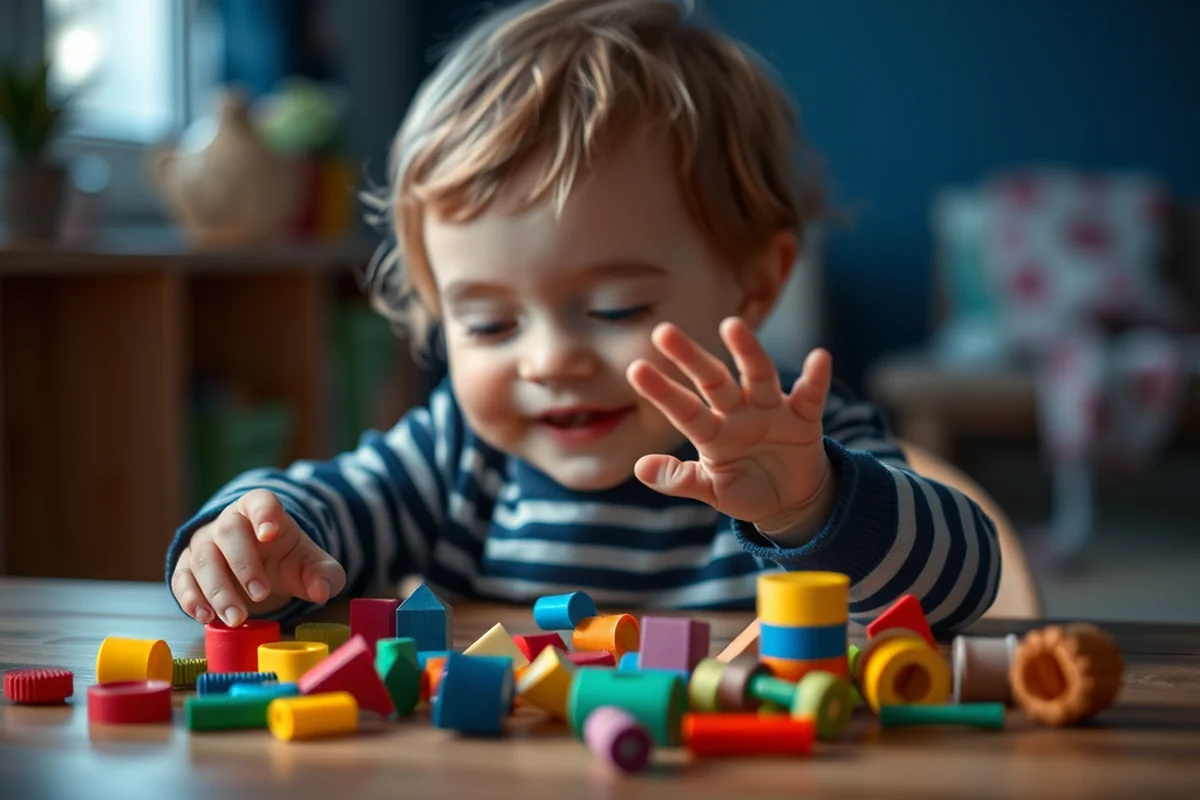
I've found that natural materials like leaves, pinecones, and pebbles offer a rich sensory experience that’s both educational and calming. My daughter loved collecting leaves and using them in a sensory bin. The roughness of the bark, the smoothness of the pebbles, and the softness of the moss all provided different textures to explore.
One of the best things about natural materials is that they’re often free or low-cost. I’ve taken walks with my daughter to gather materials from the park or backyard, and it’s been a great way to bond and teach her about nature. We talked about the shapes of the leaves, the colors of the stones, and even the way they felt in her hands.
Using natural materials also has a calming effect. I noticed that when I used pinecones and dried flowers in a sensory bin, my daughter became more focused and less fussy. It was like a little reset for her senses, and I saw a positive change in her mood and behavior.
Nature is the best teacher — and sensory play is the perfect way to learn from it.
Related: Sensory play budget ideas on a budget
Why Texture Matters
Texture is a key component of sensory play, and I’ve learned that different textures can have different effects on a child’s development. Rough, smooth, bumpy, and soft materials all offer unique opportunities for exploration. I’ve used things like sandpaper, fabric swatches, and even crumpled paper to give my daughter a variety of tactile experiences.
I once used a sensory bin with a mix of smooth pebbles, crumpled paper, and sandpaper. My daughter spent a long time exploring each texture and even asked questions about what they were made of. It was a great way to introduce her to different materials and encourage her curiosity.
Including a variety of textures in sensory play can also help children with sensory processing issues. I’ve noticed that when my daughter was overwhelmed by too much sensory input, she often gravitated toward softer, smoother textures. It was like a comfort for her, and it helped her regulate her emotions.
Try creating a texture board with different materials like felt, foam, and sandpaper. This is a great way to let your child explore a variety of textures in one place. It’s also a portable option that can be used on the go.
“I remember the first time I tried sensory play with my toddler — it was like watching a tiny universe of textures, colors, and sounds…”— PlayMessy editors
Related: Simple sensory play budget ideas
The Benefits of Sound in Sensory Play
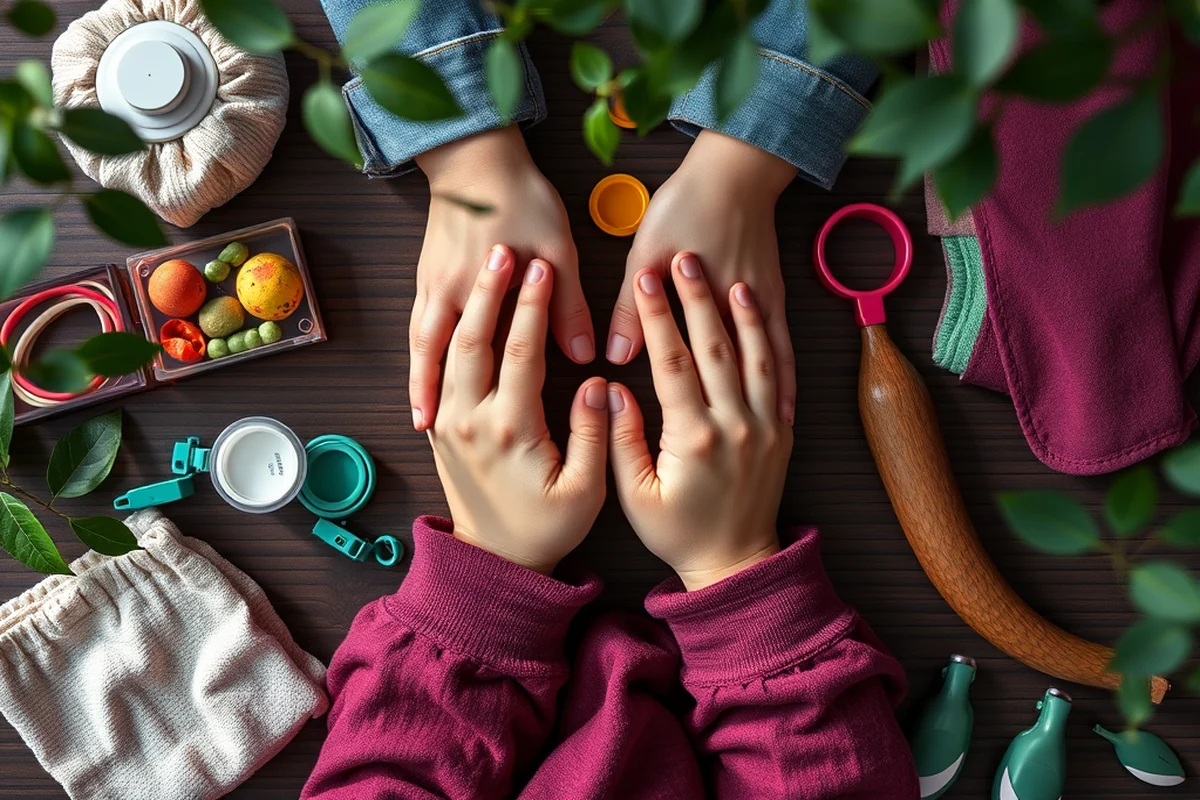
I’ve found that adding sound to sensory play can be a game-changer. Whether it’s shaking a container filled with beans or using musical instruments, sound adds another layer of engagement. My daughter loved shaking a jar filled with rice and listening to the sound it made. It was both fun and stimulating for her hearing and motor skills.
One of my favorite activities was creating a 'sound bin' with different materials that made distinct sounds when shaken. I used rice, lentils, and pasta, and each one had a different texture and sound. My daughter loved figuring out which one made the loudest noise and which one made the softest sound.
Sound-based sensory play also helps with language development. As I played with my daughter, I would name the sounds we heard and describe the materials. It was a great way to build her vocabulary and encourage her to communicate. I saw a noticeable improvement in her ability to use words to describe her experiences.
Related: Sensory play budget on a budget
How to Keep It Safe and Simple
When I first started with sensory play, I didn’t think about safety as much as I should have. I used some materials that were small and could be a choking hazard. It was a wake-up call that made me more careful about what I used. Now, I always check the materials for safety and avoid anything that’s too small or sharp.
I’ve learned that using non-toxic materials is essential. I always read the labels on any sensory products I buy, and I make sure they’re safe for children. I’ve also made a habit of washing any natural materials before using them, just to be safe.
Keeping things simple is also important. I’ve found that fewer materials mean less mess and less risk of choking. I now focus on using larger, safer materials that are easy to clean and store. It’s made a big difference in how smoothly sensory play goes for us.
🧸 Gentle Introduction
Start with soft, safe materials like foam, fabric, and squishy balls. Great for babies or sensitive toddlers who are new to sensory experiences.
⏰ Fast-Track Setup
Use pre-made sensory kits or store-bought bins that are ready to use. Ideal for parents who want a quick, mess-free session without the hassle.
🧳 Travel/On-the-Go Sensory Play
Use small, portable sensory bags with materials like rice, beans, or cotton balls. Perfect for car rides, airports, or waiting rooms.
👯 Sensory Play for Multiples
Create shared sensory bins with materials that can be explored together. Helps siblings bond and learn from each other while staying engaged.
🔄 Regression Reset
Use familiar materials and routines to help children who are going through a developmental regression or sensory overload. Offers comfort and stability.
| The mistake | Why it happens | The fix |
|---|---|---|
| Using too many small objects in a sensory bin | Small objects can be a choking hazard, especially for younger children. | Use larger, safer materials or supervise your child closely when using small items. |
| Not cleaning materials properly | Dirty or used materials can introduce germs and cause illness. | Always clean natural materials before using them and store sensory play items in a safe, clean place. |
| Ignoring your child’s sensory needs | Each child has different sensory preferences and sensitivities. | Observe your child’s reactions and adjust the sensory play experience accordingly. Be flexible and responsive to their needs. |
| Making it too complicated or expensive | Sensory play should be accessible and simple, not overwhelming or costly. | Start with basic materials and keep it simple. You don’t need a lot of money or time to create a meaningful sensory experience. |
Related: Easy sensory play budget ideas
Sensory Play Ideas For Beginners
Related: Simple sensory play ideas
Common Questions
How often should I do sensory play with my child?
What are some safe materials to use for sensory play?
Can sensory play help with sensory processing issues?
How can I make sensory play more interactive?
References
- Milestones by 4 Years | Learn the Signs. Act Early. - CDC (cdc.gov)
- The Powerful Role of Play in Early Education (cde.ca.gov)
- Montana Early Learning Standards: A Developmental Continuum for ... (dphhs.mt.gov)
- News Flash - Easton, CT (eastonct.gov)
Cite this guide
PlayMessy (2026). Sensory Play Ideas For Beginners. https://playmessy.com/sensory-play-ideas-for-beginners/
Feel free to cite or share this guide.