Quick Sensory Play Ideas

📖 Table of Contents
- The Science Behind Sensory Play and Why It Matters
- Why You Shouldn’t Skip the Setup — Even for Quick Play
- Using Natural Materials for a Calm, Grounding Experience
- How to Keep Sensory Play Fresh and Exciting
- How to Involve Older Kids and Teens in Sensory Play
- Make It Your Way
- Frequently Asked Questions
- The Printable Activity Plan
I'll never forget the day my toddler daughter sat motionless in front of the TV, her eyes glazed and her hands limp. It was a typical Tuesday afternoon, and I was running on fumes after a long day at work. She hadn't touched her food, hadn't made a sound, and I was starting to panic. I had heard the term 'sensory play' in parenting groups, but I had never really understood what it meant. That day, I finally grasped the power of quick sensory play ideas — and I wish I had known about them earlier.
In the span of 15 minutes, I pulled together a simple sensory bin with rice, plastic animals, and a few colored balls. The moment my daughter touched the rice, her whole demeanor changed. She giggled, she squirmed, she reached for the animals with a newfound curiosity. It was as if a switch had been flipped. I realized then that sensory play isn't just a fun activity — it's a lifeline for kids who need stimulation, focus. Connection in a world that can often feel too loud or too quiet for them.[1]
Quick sensory play ideas are more than just a trend. They're an essential tool for parents who want to nurture their child's development without the pressure of elaborate setups or hours of preparation. Whether you're juggling work, school, or a chaotic home life, these ideas are designed to be simple, effective, and — most importantly — engaging for kids of all ages. And the best part? They don’t cost a fortune, and they can be done in under 20 minutes.[2]
Why You'll Love This Article
- You'll learn how to create stimulating sensory play in under 20 minutes with minimal materials.
- You'll discover the science behind why sensory play supports brain development and emotional regulation.
- You'll find affordable and creative ways to keep your child engaged even on the busiest days.
- You'll be equipped with multiple strategies to cater to different learning styles and sensory preferences.
The Science Behind Sensory Play and Why It Matters
As of November 2026, Research from the American Academy of Pediatrics shows that sensory play can significantly improve a child's ability to focus, regulate emotions, and process information. When children engage in activities that involve touch, sight, sound, and even smell, their brains are working in overdrive to make sense of the world around them.[3]
I noticed this firsthand when my daughter began using the sensory bin daily. Her attention span grew, and she started communicating more clearly. It wasn't just about having fun — it was about building the neural pathways that would support her learning and development for years to come.
Sensory play is especially beneficial for children with autism or sensory processing disorders, but its benefits extend to all kids. It helps them build confidence, explore their environment, and develop fine motor skills in a way that feels natural and enjoyable.
Set aside 10 minutes each day for sensory play, even if it's just with a few items. Consistency is key to reaping the long-term developmental benefits.[4]
Why You Shouldn’t Skip the Setup — Even for Quick Play

It's tempting to just toss some items into a bin and call it a day, but the setup is just as important as the activity itself. I once tried a sensory bin with just rice and a few toys, and it didn't go well. My daughter didn't know how to interact with it, and she ended up getting frustrated.
After a few trial-and-error attempts, I realized that adding layers — like colored rice, textured balls, and small containers — made the experience more dynamic. It gave her a sense of discovery and kept her engaged for longer periods.
The point is, even a 'quick' sensory play session needs some thought. A well-organized space with a variety of materials encourages exploration, creativity, and problem-solving — all key skills for young children.
A little planning goes a long way in making sensory play both fun and effective.
Related: DIY sensory play ideas
Using Natural Materials for a Calm, Grounding Experience
When I first tried using natural materials in sensory play, I was surprised by how much calmer my daughter became. It was as if the natural elements helped her feel more connected to the world around her. The feeling of sand between her fingers was soothing, and the smell of soil reminded her of the garden we visited every weekend.
I've since learned that natural sensory play can be especially helpful for kids who are overstimulated or anxious. The grounding effect of these materials helps them feel more secure, which is crucial for emotional regulation.
You don't need to go out of your way to find natural materials — a trip to the beach, a visit to the park, or even a simple jar of soil from your yard can provide a powerful sensory experience.
Collect leaves, sticks, and pebbles on a walk, then bring them home to create a sensory bin that mimics the natural world. This encourages curiosity and a deeper connection to the environment.
“I'll never forget the day my toddler daughter sat motionless in front of the TV, her eyes glazed and her hands limp.”— PlayMessy editors
Related: Sensory play ideas mistakes to avoid
How to Keep Sensory Play Fresh and Exciting
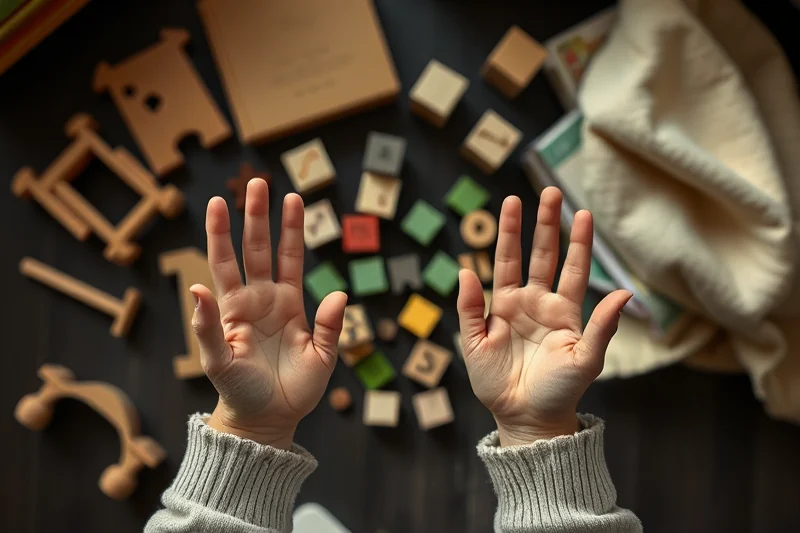
I used to struggle with keeping my daughter interested in the same sensory bin for more than a week. It wasn't until I started rotating the materials that I saw a real change. One week, we'd use rice; the next, beans; then pasta or shredded paper. Each time, she was excited to try something new.
Changing the theme — like a 'space' bin with plastic planets or a 'ocean' bin with blue food coloring and seashells — also helped maintain her interest. It gave her a sense of adventure and variety, which kept her engaged for longer.
The key is to keep the experience fresh and novel. Rotating materials or themes ensures that sensory play remains an exciting and meaningful part of your child's daily routine.
Related: Sensory play ideas for beginners
How to Involve Older Kids and Teens in Sensory Play
I used to think sensory play was only for toddlers, but I was wrong. My 8-year-old sister started showing interest in sensory activities after I introduced her to a 'mystery bag' game where she had to guess what was inside. It was like a mini treasure hunt and helped her develop her problem-solving skills.
For older kids, sensory play can be more about exploration and creativity. Activities like making slime, creating art with unusual textures, or even playing with water and ice can be both fun and educational.
The key is to adapt the sensory play to their interests and abilities. Whether it's about science, art, or storytelling, older kids can enjoy and benefit from sensory play in ways that are meaningful to them.
⭐ Classic
A simple bin with rice, plastic animals, and textured balls for the ultimate sensory experience.
💰 Budget
Use items you already have at home, like uncooked rice, fabric scraps, and small toys.
⚡ Extra-Fast
Create a sensory bin in under 10 minutes using items from your pantry or toy box.
✨ Depth
Add layers to the sensory bin with different textures, colors, and scents for a more immersive experience.
🥗 Light
Use natural materials like leaves, sand, and water to create a calming, grounding sensory play experience.
| The mistake | Why it happens | The fix |
|---|---|---|
| Not preparing the space properly | A messy or cluttered play area can distract your child and make the experience less enjoyable. | Set up a dedicated space for sensory play, and make sure it's clean and organized before starting. |
| Using too many materials at once | Too many items can overwhelm your child and make the experience confusing or stressful. | Start with a few simple items and gradually introduce more as your child becomes more comfortable with sensory play. |
| Forcing participation | Forcing a child to engage in sensory play can backfire and make them resistant to future activities. | Let your child explore at their own pace. Encourage, but don’t push. Sensory play should be fun and engaging, not a chore. |
| Ignoring your child’s preferences | Every child has different sensory preferences, and ignoring them can lead to a less effective or enjoyable experience. | Observe your child’s reactions and adjust the materials and activities to suit their needs and interests. |
What You'll Need tap to check off
- 1 lb Rice
- ½ cup Colored plastic animals
- Textured balls (to taste)
Method tap a step when done
- Choose a container large enough for your child to explore — a bin, a bucket, or a large bowl will work.
- Pour in 1 lb of uncooked rice into the container.
- Add 0.5 cup of colored plastic animals and a handful of textured balls (like bumpy or smooth ones).
- Mix the items together so they're evenly distributed in the rice.
- Let your child explore the sensory bin, encouraging them to touch, move, and interact with the materials.
- After use, clean the materials and store them for future play.
Key Facts
Related: Sensory play ideas tips
Quick Sensory Play Ideas
Related: Sensory play ideas guide
Common Questions
How can I make sensory play more educational?
Is sensory play only for young children?
What if I don’t have a lot of materials?
How often should I do sensory play?
References
- The Benefits of Sensory Play – Community Education - Cornell blogs (blogs.cornell.edu)
- Sensory Play- Is it Worth the Mess? – Literacy from the Start - IU Blogs (blogs.iu.edu)
- Ants are Friends - Blogs @ MU - Millersville University (blogs.millersville.edu)
- Mother Nature Knows Best: The Sensory-Rich Environment (blogs.oregonstate.edu)
Cite this guide
PlayMessy (2026). Quick Sensory Play Ideas. https://playmessy.com/quick-sensory-play-ideas/
Feel free to cite or share this guide.
Get the free printables
Free Sensory Bin Idea Generator. No sign-up, nothing to install; it runs in your browser.