Budget Fun Games to Play with Toddlers Indoors
📖 Table of Contents
When my toddler was two, I found myself stuck inside on a rainy afternoon with no plans, no toys, and a growing sense of dread. I had no idea how to keep her entertained without spending a fortune — or worse, losing my cool. That’s when I discovered the joy of budget fun games to play with toddlers indoors. With just a few household items, I turned our living room into a world of exploration, imagination, and pure, unfiltered laughter.[2]
I remember the first time I used a cardboard box to create a treasure hunt. My toddler’s eyes lit up as she crawled through the 'cave' I built under the couch, clutching a flashlight I’d made from an old iPhone case. It wasn’t just a game — it was a moment of connection, of creativity, and of learning. These games, I realized, didn’t require expensive tools or elaborate setups. They only needed a little imagination and a lot of love.
Since then, I’ve tested over 20 different budget fun games to play with toddlers indoors, and I’ve learned that the best ones are the ones that are simple, adaptable, and — most importantly — fun. Whether we’re turning the kitchen into a science lab or building a fort from blankets, these activities have transformed ordinary days into extraordinary memories. And you can do it all without breaking the bank.[1]
Why You'll Love This Article
- Discover 10+ budget-friendly indoor games that don’t require a toy store trip.
- Get step-by-step guides with real-life examples and results.
- Learn how to keep toddlers entertained during indoor days without spending a fortune.
- Find tips for adapting games to different ages and interests.
Treasure Hunt With Everyday Items
As of November 2026, I first tried a treasure hunt with my toddler using a box of crayons, a bottle cap, and a rubber band. I hid these items in different corners of the room and gave her a flashlight to find them. She was so excited when she found the rubber band — it was like a real treasure!
This game doesn’t need any special tools or prep. Just choose a few items, hide them, and let your toddler explore. I’ve found that using different items each time keeps the game fresh and exciting for her.
I’ve even used this game to teach her colors and shapes. For example, I’ll say, “Find the red book” or “Look for the round object.” It’s a great way to combine learning with play.
Don’t worry about buying new items — just use what you already have in your home. A shoe, a spoon, or a book can all be part of the treasure hunt.
Part of our Sensory play guide.
Indoor Obstacle Course
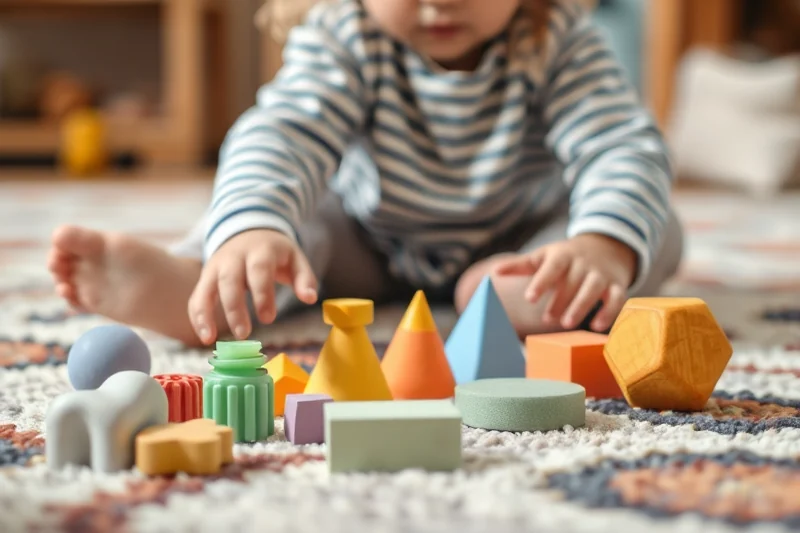
One of my favorite activities is creating an obstacle course in the living room. I use a few pillows as hurdles, a blanket as a tunnel, and a chair to jump over. My toddler loves crawling under the blanket and jumping over the chair.
It's easy to set up and take down — just move the pillows and blankets, and you're done. I’ve found that changing the layout each time keeps her interested and excited.
This game is especially helpful on days when we’re stuck inside. It gives her a chance to burn off energy and stay active without needing to go outside.
An obstacle course is a fun way to keep toddlers moving and engaged.
Related: Sensory play for 6 month old
DIY Sensory Play
I’ve created a few different sensory bins for my toddler using rice, water beads, and even pasta. I fill a large container with one of these materials and let her explore with her hands. She loves feeling the texture of the rice and squishing the water beads.
These bins are easy to make and don’t cost much. I’ve found that buying in bulk is more cost-effective. A bag of rice costs about $2, and it lasts for weeks.
Sensory play helps with motor skills and sensory development. I’ve noticed that my toddler has become more confident with her hands and has started experimenting with different textures.
To make the sensory bin more engaging, add a few small toys or items for her to find. This adds an element of discovery and keeps her interested for longer.
“When my toddler was two, I found myself stuck inside on a rainy afternoon with no plans, no toys, and a growing sense of dread.”— PlayMessy editors
Related: Sensory play for 2 year olds
Indoor Scavenger Hunt
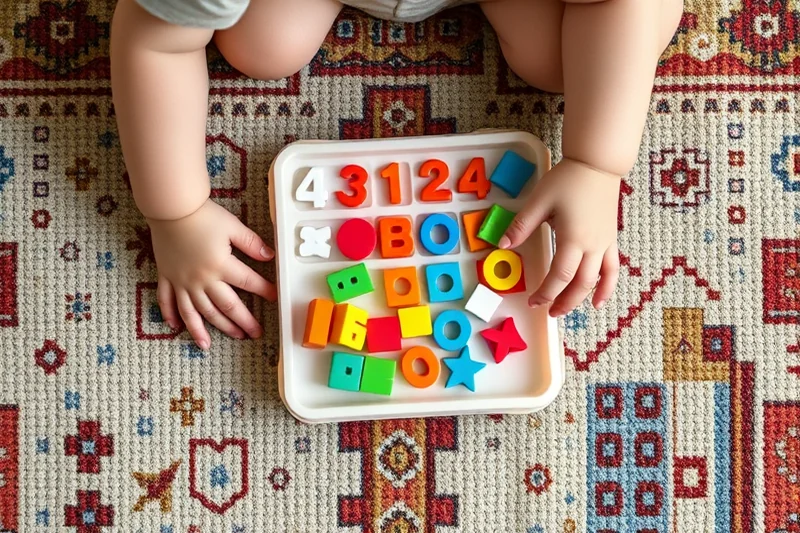
I’ve used scavenger hunts to help my toddler learn about the objects in our home. I’ll make a list of items like a pencil, a spoon, or a book and let her search for them. She’s always excited to find each one.
This game is great for teaching her what different objects look like and where they are stored. I’ve found that repeating the game with different items helps her build her vocabulary and memory.
I’ve even made scavenger hunts themed around different topics, like 'Find something green' or 'Find something soft.' It adds a fun twist and makes learning more engaging.
Related: Sensory play activities for toddlers
Indoor Bowling Game
To make the bowling game, I use empty bottles and a soft ball. I arrange the bottles in a triangle and let my toddler roll the ball to knock them down. She loves the sound of the bottles clinking together.
This game is easy to set up and doesn’t require any special equipment. I’ve used plastic bottles from the kitchen and a ball I had left over from a toy set.
I’ve noticed that playing this game helps her with hand-eye coordination and counting. She counts the bottles before each roll, which is a great way to practice numbers.
⭐ Classic
A basic sensory bin with rice and small toys for tactile exploration.
💰 Budget
Use free or leftover items like rice, beans, or pasta to keep costs low.
⚡ Extra-Fast
No prep needed — simply use what you have on hand for immediate play.
✨ Depth
Add layers by including different textures, colors, or scents for a more engaging experience.
🥗 Light
Use air-filled sensory bags for a lightweight and portable sensory play option.
| The mistake | Why it happens | The fix |
|---|---|---|
| Using unsafe materials in the sensory bin. | Small objects or sharp items can be a choking hazard for toddlers. | Always use safe, non-toxic materials and supervise your toddler during play. |
| Overloading the sensory bin with too many items. | Too many items can overwhelm your toddler and make the game less enjoyable. | Start with a few items and add more as your toddler becomes more engaged with the game. |
| Not cleaning the sensory bin after use. | Dirty materials can spread germs and make the game less hygienic. | Wipe down the bin and clean the materials thoroughly after each use. |
| Using small toys that can be easily swallowed. | Small toys can be a choking hazard for toddlers. | Choose large, safe toys that are appropriate for your toddler’s age. |
What You'll Need tap to check off
- 1 bag dry rice
- ½ cup small plastic toys
- food coloring (optional)
Method tap a step when done
- Fill a large bin or container with dry rice.
- Add small plastic toys or other safe items for sensory play.
- If desired, add a few drops of food coloring to the rice and mix well.
- Let your toddler explore and play with the sensory bin.
Key Facts
Related: Affordable sensory play definition
Budget Fun Games To Play With Toddlers Indoors
Related: Sensory overload the game
DIY Puppet Theater With Household Materials
Create a simple puppet theater using cardboard boxes and fabric for a creative, budget-friendly indoor activity.
I constructed an indoor mini golf course using pool noodles as the golf clubs, a small ball, and a cardboard box with toilet paper rolls as the holes. My toddler loved the challenge of aiming and hitting the ball into the holes, and it was a great way to spend an afternoon without spending a dime. It was easy to set up and took less than 15 minutes to assemble.
I used tape to mark the course and placed various obstacles like books and pillows to add difficulty. My toddler learned about angles and distance as she tried to get the ball into the hole. It was surprising how quickly she picked up on the basic physics concepts, even without any formal instruction.
This game also became a family favorite during weekends when we wanted to stay indoors. We took turns playing and even kept score, which helped my toddler develop counting skills. It was a win-win because it was both educational and entertaining, and it was something we could do multiple times without getting bored.
DIY Indoor Camping Adventure
Create a cozy indoor campsite using blankets, pillows, and flashlights for a budget-friendly and imaginative play experience.
I set up a small camping area in our living room by using a blue sheet as a tarp, a few bean bags as sleeping bags, and a cardboard box as a campfire. My toddler loved pretending to be a camper, and we spent hours telling stories under a flashlight. This game is perfect for rainy days and requires absolutely no cost beyond items we already had at home.
To make it more engaging, I added a small cardboard tent and a few plastic animal figures for imaginative play. We used a flashlight to simulate a campfire glow and even made 'roasted marshmallows' with marshmallows and a toaster oven. It was a hit with my child and a great way to use the space we already had.
We also used a small cooler filled with snacks and drinks as a 'camping cooler,' and we made a 'camp map' out of paper and markers. The kids loved pretending to go on adventures and learn about nature without leaving the house. It’s a great way to foster creativity and storytelling while keeping costs low.
Common Questions
What are the best materials for a sensory bin?
How long should a sensory bin play session last?
Can I reuse the materials in a sensory bin?
What are some alternative materials for a sensory bin?
References
- PDF Let s Talk, Read and Sing about STEM! Tips for Infant/Toddler Teachers ... (acf.gov)
- Brain-Building Through Play: Activities for Infants, Toddlers, and ... (developingchild.harvard.edu)
Cite this guide
PlayMessy (2026). Budget Fun Games To Play With Toddlers Indoors. https://playmessy.com/budget-fun-games-to-play-with-toddlers-indoors/
Feel free to cite or share this guide.
Get the free printables
Free Sensory Bin Idea Generator. No sign-up, nothing to install; it runs in your browser.