Minimalist Play-based Learning Tips
📖 Table of Contents
When my youngest daughter turned two, I found myself overwhelmed by the sheer volume of toys, books, and educational materials I thought I needed to ‘fill her days’ with learning. I was spending more time organizing than playing, and I realized that the chaos was actually detracting from the very experiences I wanted to create. It was during this time that I stumbled upon the concept of minimalist play-based learning, which transformed how I approached early childhood education. This approach doesn’t mean less learning—it means more meaningful, focused, and intentional learning.[2]
Minimalist play-based learning tips are not just about decluttering the toy box; they’re about creating a space where learning happens naturally, through exploration, creativity, and curiosity. I started by removing everything that wasn’t essential, and within weeks, I noticed a shift in my daughter’s behavior. She was more engaged, asked deeper questions, and spent longer periods immersed in activities without interruption. This method allows children to develop critical thinking, problem-solving, and emotional intelligence through hands-on experiences, rather than through passive consumption of media or excessive structured instruction.[3]
The beauty of minimalist play-based learning tips is that they’re adaptable to any home, regardless of size or resources. I didn’t need to buy new toys or spend hours planning elaborate activities. Instead, I focused on using what I already had in a way that encouraged open-ended play and discovery. Over time, I found that simple materials like cardboard boxes, blocks, and natural objects sparked more creativity and deeper learning than any expensive educational kit ever could. It was this shift in mindset that made the difference, and I’m excited to share exactly how I did it.[4]
Why You'll Love This Approach
- Reduces stress for both parents and children by simplifying the environment.
- Encourages deeper engagement and more meaningful learning experiences.
- Saves money by focusing on what's essential rather than what's trendy.
- Builds independence, creativity, and problem-solving skills through open-ended play.
Creating a Minimalist Environment for Learning
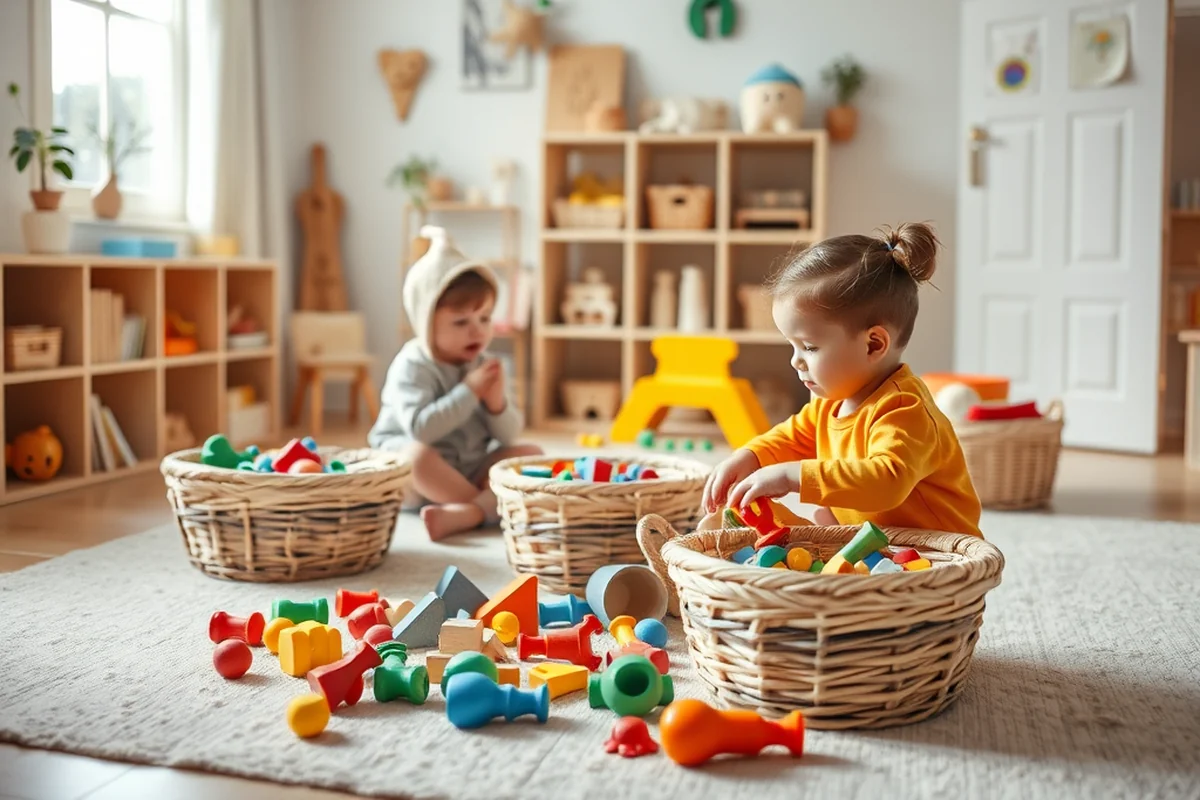
As of August 2026, I began by taking every toy, book, and decorative item out of my daughter’s room and categorizing them. I only kept the items that were safe, age-appropriate, and had clear educational value. This process took me about two hours, but it was time well spent. The result was a calm, uncluttered space that felt more inviting and less overwhelming for my daughter.[5]
By limiting the number of toys, I noticed that she spent more time engaging with each one and was more likely to complete a task, such as building a tower or sorting blocks by color. This intentional approach also helped me become more present, as I was no longer trying to manage a constantly changing environment. Instead, I could focus on the joy of playing and learning with her in real time.
To maintain this space, I established a simple rule: one toy box per day. Each morning, we would choose a few items from the box to play with and put the rest away. This routine not only kept the room tidy but also gave my daughter a sense of control and choice over her playtime.
Set a timer for 30 minutes and sort through your child’s toys. Keep only those that are safe, age-appropriate, and have clear educational value. This will help you create a focused environment that encourages learning.[1]
Part of our Sensory play guide.
The Power of Open-Ended Materials
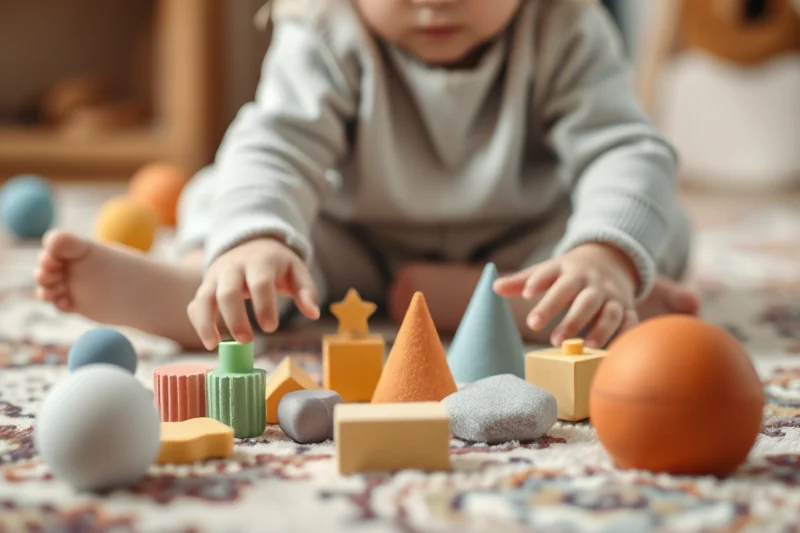
I started using materials that could be used in multiple ways, such as cardboard boxes, wooden blocks, and fabric scraps. These items became the foundation of our playtime, and I noticed that my daughter was more engaged and spent more time immersed in activities. The versatility of these materials allowed her to build structures, create stories, and even explore basic science concepts like gravity and balance.
One of the most surprising outcomes of this approach was the way it sparked my daughter’s curiosity. She would ask questions like, 'What happens if I put this inside that?' or 'Why does this float and that doesn’t?' These moments of inquiry were some of the most valuable learning experiences we had together. The open-ended nature of the materials encouraged her to think critically and experiment with different possibilities.
I also noticed that my daughter became more resourceful with the materials she had. She learned to combine items in new ways, and even recycled items she had previously used, which taught her the value of creativity and sustainability. This shift in play not only enhanced her cognitive development but also helped her understand the importance of using what she had in innovative ways.
Open-ended materials spark creativity and curiosity in ways that structured toys can’t.
Related: Sensory play activities
Related: Affordable sensory play tips
Related: Quick Play-based Learning Ideas
Related: Play based learning definition ideas
Related: Top Play-based Learning Tips
Related: Is Play Based Learning Effective Tips
Related: Play-based Learning Tips Step By Step
Related: What Is To Play It By Ear
Integrating Nature into Play-Based Learning
I started taking my daughter on short walks through the neighborhood and collecting natural items like leaves, sticks, and stones. These items became part of our playtime, and I noticed that she was more interested in exploring the textures, colors, and shapes of these objects than in any of the plastic toys we had. This simple change brought a new level of engagement and curiosity to her play.
One of the most valuable lessons I learned from this experience was the importance of slowing down and being present. When we were out in nature, I found myself focusing less on the 'lesson' and more on the experience itself. This shift in mindset allowed us to create more meaningful memories and foster a deeper connection with the environment.
By incorporating natural elements into our play, my daughter developed a greater appreciation for the world around her. She began noticing patterns in leaves, experimenting with how different stones felt in her hands, and even asking questions about the purpose of certain plants. These moments of discovery were some of the most valuable learning experiences we had together.
Take your child on short nature walks and collect items like leaves, sticks, and stones. Use these items for sensory exploration, storytelling, and creative play. This encourages curiosity, creativity, and a deeper connection with the environment.
“When my youngest daughter turned two, I found myself overwhelmed by the sheer volume of toys, books, and educational materials I thought I needed to…”— PlayMessy editors
The Role of Routines in Minimalist Play-Based Learning
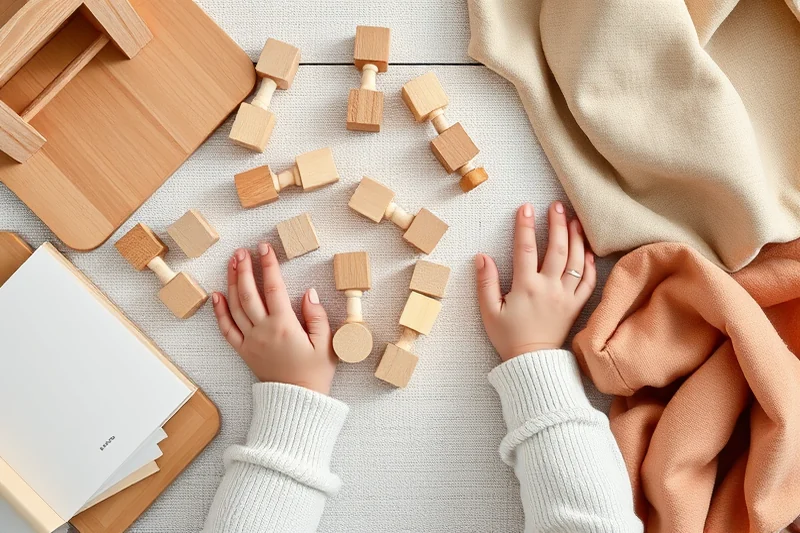
I created a daily routine that included time for free play, reading, and outdoor activities. This structure helped my daughter understand what to expect each day and gave us both a sense of security. By setting clear times for each activity, I was able to focus more on the quality of our interactions rather than on managing the chaos of the day.
One of the most valuable aspects of this routine was the time we spent reading together. I found that my daughter was more engaged during these moments, and we were able to explore new concepts and ideas in a calm, focused environment. The routine also helped her develop a sense of rhythm and predictability, which was especially important during the early years of her development.
By maintaining a consistent routine, I noticed that my daughter became more independent and confident in her abilities. She learned to follow directions, manage her time, and even help with simple tasks like tidying up after play. This consistency not only supported her learning but also helped me become a more present and involved parent.
Embracing the Concept of ‘Less is More’
I began to embrace the idea that having fewer items didn’t mean having less to learn from. Instead, it meant that each item had more value and purpose. My daughter became more engaged with the toys and materials we had, and I noticed that she was more likely to complete tasks and explore concepts in depth.
One of the most surprising outcomes of this approach was the way it changed the way I thought about learning. I realized that I didn’t need to fill every moment with activities or lessons. Instead, I could focus on the quality of our interactions and the joy of playing together. This shift in mindset helped me become a more present and involved parent.
By focusing on fewer, high-quality items, I noticed that my daughter developed a greater appreciation for what she had. She learned to use the items in creative ways, and even recycled them in new and innovative ways. This shift in play not only enhanced her cognitive development but also helped her understand the value of using what she had in meaningful ways.
⭐ Classic
The original recipe with flour, salt, and oil for a simple, sensory-rich play dough.
💰 Budget
Use all-purpose flour and substitute oil with cooking spray to save on costs.
⚡ Extra-Fast
Skip kneading and mix the dough in a bowl until it’s pliable, then store it in a sealed bag.
✨ Depth
Add dried lavender or essential oils for a sensory experience that engages multiple senses.
🥗 Light
Use gluten-free flour and reduce oil for a lighter, more health-conscious option.
| The mistake | Why it happens | The fix |
|---|---|---|
| Trying to implement too many changes at once. | This can overwhelm both parents and children and make it difficult to maintain consistency. | Start with one small change, such as decluttering one room, and build from there. |
| Ignoring your child’s preferences and needs. | Children thrive when they feel involved in the process and have a say in their environment. | Involve your child in the decluttering and play planning process to ensure their needs are met. |
| Using too many structured activities instead of open-ended play. | This can limit creativity and make play feel more like work than fun. | Focus on simple, unstructured play that allows children to explore and create on their own. |
| Not maintaining the minimalist environment. | A cluttered environment can quickly undo the benefits of a minimalist approach. | Establish routines and rules for managing toys and materials to keep the environment tidy and focused. |
What You'll Need tap to check off
- 1 lb Flour
- ½ cup Salt
- 1 cup Water
- ½ cup Vegetable oil
- 1 teaspoon Baking soda
- Food coloring to taste
Method tap a step when done
- In a large mixing bowl, combine 1 lb of flour and ½ cup of salt.
- Add 1 cup of water, ½ cup of vegetable oil, and 1 teaspoon of baking soda to the flour mixture.
- Mix the ingredients together until the dough comes together. If the dough is too dry, add a little more water. If it’s too wet, add a bit more flour.
- Knead the dough for about 5-10 minutes until it becomes smooth and pliable.
- Divide the dough into four equal portions and add food coloring to each portion, mixing until the color is evenly distributed.
- Store the play dough in an airtight container and use it for sensory play, creative play, and learning activities.
Key Facts
Minimalist Play-based Learning Tips
Common Questions
What if I don’t have time to prepare a minimalist environment?
How do I know what materials are best for open-ended play?
Can I incorporate minimalist play-based learning into a busy schedule?
How do I maintain a minimalist environment without constantly decluttering?
References
- PDF The Powerful Role of Play in Early Education (cde.ca.gov)
- Supporting Children's Learning Through Play - Childcare.gov (childcare.gov)
- Play-Based Learning (education.mn.gov)
- PDF PDG K Play-Based Learning flyers (002) (education.nh.gov)
- PDF AERO Play-based learning with intentionality (files.eric.ed.gov)
Cite this guide
PlayMessy (2026). Minimalist Play-based Learning Tips. https://playmessy.com/minimalist-play-based-learning-tips/
Feel free to cite or share this guide.