Affordable Sensory Play Tips
📖 Table of Contents
- DIY Sensory Bins — A Budget-Friendly Masterpiece
- The Magic of Tactile Play with Everyday Items
- DIY Playdough — The Perfect Sensory Tool for Under $5
- Nature-Based Sensory Play — Free and Refreshing
- The Power of Music and Rhythm in Sensory Play
- Make It Your Way
- Frequently Asked Questions
- The Printable Activity Plan
I remember the first time my son touched the smooth, cool surface of a rice sensory bin — his eyes lit up with the kind of joy that only comes from pure, unfiltered discovery. It was a simple bin filled with rice and a few wooden toys, and yet it was the most engaging toy he'd had in months. That moment made me realize that sensory play doesn’t have to be expensive, and that the best experiences are often the most affordable. With just a little creativity and a few everyday items, we can provide our kids with the sensory stimulation they need to grow, explore, and thrive.[1]
As a parent, I've spent countless hours searching for affordable ways to keep my kids engaged, especially during long days at home or when we’re on a tight budget. The good news is, you don't need to spend a fortune to create a rich sensory environment for your children. From filling bins with beans to making DIY playdough, there are so many budget-friendly options that are just as effective as their pricier counterparts. The key is to focus on what's already around you and get creative with the materials you have.[2]
Affordable sensory play tips aren’t just about saving money — they’re about making the most of the resources you have and creating meaningful, hands-on experiences for your kids. Whether it’s filling a container with water and food coloring or using fabric scraps to create a tactile exploration area, the possibilities are endless and the cost is often minimal. By embracing these affordable sensory play ideas, we can give our children the stimulation they need without breaking the bank. In the process, we might even discover a few new favorites along the way.[3]
Why You'll Love This Sensory Play Guide
- Save hundreds of dollars on commercial sensory products.
- Create personalized sensory experiences tailored to your child's interests.
- Use everyday household items to keep your child engaged for hours.
- Encourage creativity, exploration, and learning in a fun, interactive way.
DIY Sensory Bins — A Budget-Friendly Masterpiece
As of August 2026, Sensory bins are one of the most effective and affordable tools for sensory play. They’re easy to make and can be customized to suit your child’s interests — whether they love digging for treasure or exploring different textures. I’ve made several sensory bins over the years, and the most popular ones have been filled with rice, beans, or pasta mixed with small toys or items for them to find.[4]
To make a sensory bin, all you need is a large container, a filling material like rice or beans, and a few small toys or items to hide within. I’ve even used old fabric scraps to create a tactile bin, and my son loved running his hands through the soft materials. These bins are not only fun but also provide hours of entertainment and learning as your child explores different textures, colors, and shapes.[5]
One of the great things about sensory bins is that they’re reusable. I’ve found that by switching out the filling material and the items inside, I can keep the experience fresh and exciting for my child. A few years ago, I filled a bin with cornstarch and water to make a non-Newtonian fluid — it was a huge hit and only cost about $3 to make.
Gather a large container, fill it with rice, and hide small toys or items inside. Your child will love digging through the bin to find the hidden treasures.
Part of our Sensory play guide.
The Magic of Tactile Play with Everyday Items
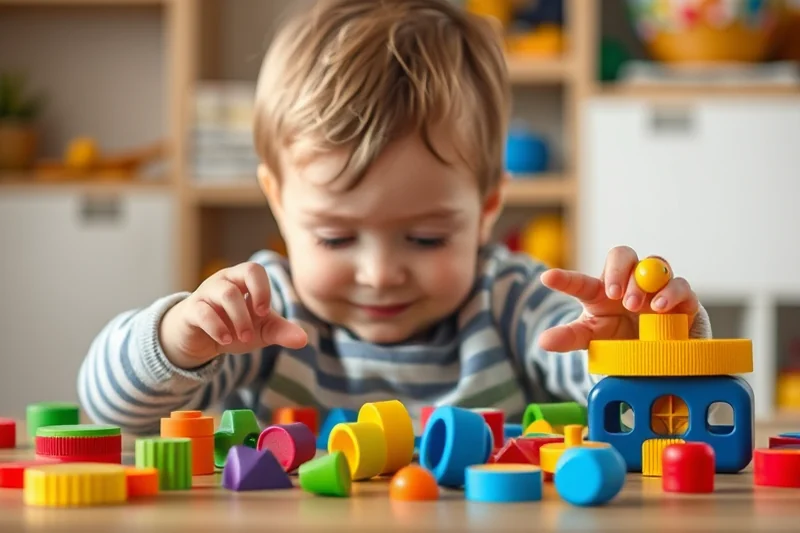
Tactile play helps children develop their fine motor skills, hand-eye coordination, and sensory processing abilities. The best part is that you don’t need any special equipment — just a few everyday items can transform your home into a sensory playground. I’ve used items like dish soap, cornstarch, fabric scraps, and even playdough to create engaging sensory experiences for my son.
One of my favorites was a simple tactile bin filled with various fabrics — burlap, velvet, felt, and even some old clothing. My son loved running his hands over the different textures and even named them by feel. It was a low-cost way to provide a rich sensory experience that also encouraged language development.
Another great idea is to use dish soap and water to create a sensory bottle. I filled a bottle with water and a few drops of dish soap, shook it up, and watched as it turned into a bubbly, glowing mess. It was a hit with my son and only cost about $1 to make.
A little creativity can turn the most ordinary items into a sensory treasure trove.
Related: Fast sensory play for 6 month old
Related: Sensory play tips
Related: Affordable sensory play definition
Related: Fast play based learning
Related: Beginner fun games to play with toddlers indoors
Related: Diy Sensory Play Tips
Related: How To Play By Ear
Related: Sensory Play Printables Tips
Related: Affordable Sensory Play Routines
Related: Sensory Play Stage Tips
Related: Affordable Sensory Play Troubleshooting Phases
Related: Sensory Play Schedules Tips
DIY Playdough — The Perfect Sensory Tool for Under $5
Commercial playdough can be expensive, but making your own is not only cheaper but also allows you to customize it to your child’s interests. I’ve made several batches of playdough over the years, and the recipe I use is simple and only costs about $5 per batch. The best part is that you can add different colors, scents, or even food items to make it more engaging.
To make the playdough, I use a few simple ingredients: flour, salt, oil, and water. I also add food coloring to give it a vibrant color — my son loves the bright colors and the way the playdough feels in his hands. One of my favorite variations was adding a few drops of vanilla extract to give it a sweet, pleasant scent.
I’ve even made playdough with different textures by mixing in things like cornstarch or sand. My son loved the way the playdough felt different depending on what I added. It was a fun way to explore textures and also provided a safe, non-toxic sensory experience for him.
Mix 1 cup flour, 1/2 cup salt, 1 tablespoon oil, and 2/3 cup water. Add food coloring and mix until smooth. Store in an airtight container.
“I remember the first time my son touched the smooth, cool surface of a rice sensory bin — his eyes lit up with the kind…”— PlayMessy editors
Nature-Based Sensory Play — Free and Refreshing
Nature is one of the best sensory play tools you can find — it’s free, safe, and always available. I’ve taken my son on several nature walks where we collected leaves, rocks, pinecones, and even small sticks to create our own sensory bins. We filled a container with leaves and let him sort them by size, color, and texture. It was a fun way to combine sensory play with learning about the natural world.
One of my favorite activities was collecting different types of leaves and using them to create a tactile exploration game. My son loved feeling the rough edges of some leaves and the smooth surface of others. We even made a leaf rubbings activity with crayons — it was a simple, sensory-rich way to engage him and encourage creativity.
Another great idea is to take a walk in the park and collect items like pinecones, acorns, and smooth stones. These can be used to create a sensory bin or even a treasure hunt game. It’s a fun way to get your child outside, explore nature, and engage their senses — all for free.
The Power of Music and Rhythm in Sensory Play
I’ve found that music is one of the best ways to engage my son’s senses and provide a fun, interactive experience. Whether it’s listening to music, dancing, or even making your own instruments, music can be a powerful sensory tool. I’ve used a variety of simple items to create homemade instruments — like rice in a mason jar, wooden sticks, and even balloons filled with water.
One of the most popular activities we did was making our own musical instruments. I used empty jars and filled them with rice, beans, or pasta to create shakers. My son loved shaking them and listening to the different sounds they made. It was a fun way to explore sound and rhythm while also promoting creativity and motor skills.
We also used a simple xylophone made from wooden blocks and rubber bands. It was a hit with my son and provided a fun way to explore music and rhythm. I’ve found that music is a great way to engage your child’s senses and provide a fun, interactive experience that also promotes learning and development.
⭐ Classic
The basic playdough recipe with flour, salt, oil, and water.
💰 Budget
A low-cost version using only the most essential ingredients.
⚡ Extra-Fast
An even quicker version of the recipe that can be made in under 15 minutes.
✨ Depth
A version with added texture elements like cornstarch or sand for sensory exploration.
🥗 Light
A lighter, gluten-free version of the playdough using alternative flours.
| The mistake | Why it happens | The fix |
|---|---|---|
| Using too much water in the playdough recipe. | Using too much water can make the playdough too sticky and difficult to handle, which can be frustrating for your child. | Use the right amount of water and adjust as needed during the kneading process to achieve the desired texture. |
| Not storing the playdough properly. | Not storing the playdough in an airtight container can cause it to dry out and become hard, making it less enjoyable for your child. | Store the playdough in an airtight container or plastic bag to keep it fresh and ready to use. |
| Using materials that are not safe for sensory play. | Using unsafe materials, such as small objects that could be a choking hazard, can be dangerous for your child. | Always use safe, non-toxic materials for sensory play and avoid small items that could pose a choking risk. |
| Not cleaning up after sensory play. | Not cleaning up after sensory play can lead to messes and may even pose a safety hazard, especially for younger children. | Always clean up after sensory play and make sure to wipe down surfaces and store materials properly to avoid any issues. |
What You'll Need tap to check off
- 1 lb flour
- ½ cup salt
- ½ cup oil
- 2 cups water
- 2 teaspoons food coloring (optional)
- 1 teaspoon vanilla extract (optional)
Method tap a step when done
- In a large mixing bowl, combine 1 lb of flour, 1/2 cup salt, 1/2 cup oil, and 2 cups of water. Mix until the dough comes together.
- Add 2 teaspoons of food coloring and 1 teaspoon of vanilla extract if desired. Mix well until the color and scent are evenly distributed.
- Knead the dough for about 5 minutes until it becomes smooth and elastic.
- Divide the dough into 4 equal portions and store in airtight containers or plastic bags.
- Keep the playdough in a cool, dry place and use it within a few days.
- For added texture, mix in small amounts of cornstarch or sand into the dough before kneading.
Key Facts
Affordable Sensory Play Tips
Common Questions
What are the best materials to use for a sensory bin?
How can I make my own playdough without buying commercial products?
What are some affordable ways to engage my child’s senses?
How long does homemade playdough last?
References
- The Benefits of Sensory Play - Community Education (blogs.cornell.edu)
- Importance of Sensory Play for Kids - SDSU Extension (extension.sdstate.edu)
- Sensory Play - Hamilton County DD Services (hamiltonddsohio.gov)
- Splish, Splash, Splat - Hooray for Messy Play! | HeadStart.gov (headstart.gov)
- Nature Play Area & Sensory Trail | Holly Springs, NC - Official Website (hollyspringsnc.gov)
Cite this guide
PlayMessy (2026). Affordable Sensory Play Tips. https://playmessy.com/affordable-sensory-play-tips/
Feel free to cite or share this guide.