
Natural Sensory Play
📖 Table of Contents
- How to Turn a Walk into a Sensory Adventure
- The Power of Natural Materials in Sensory Play
- Why Natural Sensory Play is Better for Development
- How to Make Natural Sensory Play Part of Your Daily Routine
- Natural Sensory Play and the Importance of Being Present
- Make It Your Way
- Frequently Asked Questions
- The Printable Activity Plan
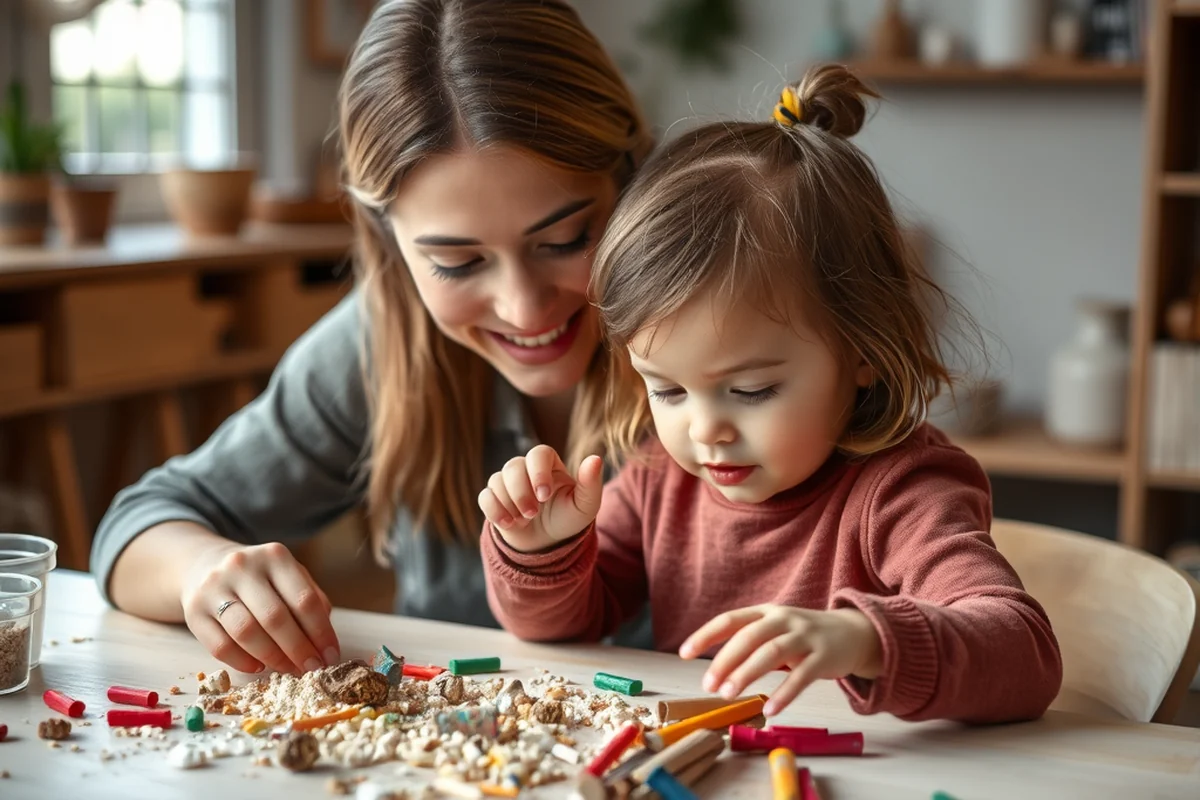
I'll never forget the moment my daughter, then 3 years old, turned the corner of the kitchen and gasped, her eyes wide as she saw a patch of wild violets growing along the sidewalk. It was the first time she'd stopped to really see, really feel, the world through her senses. That day, we didn't just pick flowers — we made a sensory experience out of the ordinary. That's what natural sensory play is: a way to bring the richness of the natural world into everyday moments, without a single plastic toy in sight. For the full picture, see sensory play — our complete hub on the topic.[2]
Natural sensory play isn't about buying expensive kits or following elaborate instructions. It's about slowing down, getting your hands dirty, and connecting with the real world. Whether it's feeling the rough bark of a tree, the softness of a mossy rock, or the crunch of dried leaves underfoot, these experiences are powerful, free, and available to every family. I remember one day when we spent an hour simply collecting pinecones and leaves, sorting them by texture and color. My child was more engaged than she’d ever been with a screen or a store-bought sensory bin.[3]
The best part is that natural sensory play is adaptable — it works in the city, the suburbs, and the countryside. I've done it in backyards, on hikes, even on city sidewalks with a little creativity. It's not about perfection; it's about presence. When I first started exploring natural sensory play, I worried I wasn’t doing it right, but over time, I realized that the joy comes from the experience itself, not from the materials used. That’s the magic of natural sensory play — it's all around us, and it's all we need.[4]
Why You'll Love This Natural Sensory Play Experience
- It's free, easy, and available to every family, no matter where you live.
- It deepens a child's understanding of the world through hands-on, real-world experiences.
- It fosters creativity, curiosity, and a lifelong love of nature.
- It's a great way to bond with your child while making learning fun and tangible.
How to Turn a Walk into a Sensory Adventure
As of August 2026, I remember one of the first times I took my daughter for a walk in the woods, thinking it was just a way to get some fresh air. But when I started pointing out the different textures of the leaves, the sound of the wind through the trees, and the way the ground felt under our feet, her eyes lit up. It wasn’t just a walk anymore — it was a discovery.[5]
To make a walk a sensory adventure, I now bring a small magnifying glass, a notebook, and a plastic bag for collecting items. We stop every few minutes to examine the world around us. We listen to the creak of branches, we touch the rough bark of a tree, we even smell the pine needles on the forest floor. Each of these moments is a chance for learning and connection.
On one of our walks, we found a small stream. We watched the water flow, felt the coolness of the rocks under our fingers, and even collected some smooth stones to take home. It was a moment that stayed with both of us, and it showed me how powerful a simple walk can be when approached with intention and curiosity.
Create a simple list of items to find on your walk, like a pinecone, a red leaf, or a smooth rock. This gives your child a clear goal and makes the experience more engaging.
The Power of Natural Materials in Sensory Play
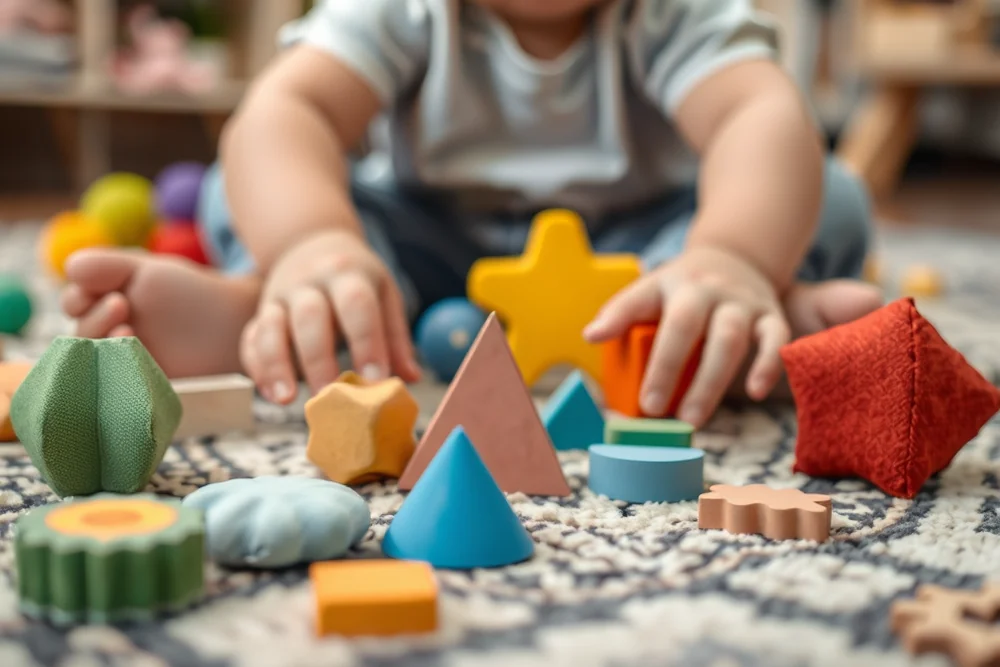
I used to think that sensory play had to involve special materials, but I was wrong. One day, I brought my daughter to the beach and let her dig in the sand, feel the waves, and collect seashells. She was so engaged in the experience that she didn’t even notice the sun going down. It was a lesson in how natural materials can be incredibly engaging on their own.
Natural materials provide a wide range of textures, temperatures, and scents that are all part of the sensory experience. For example, the roughness of tree bark, the coolness of a river stone, or the silky smoothness of a sea shell all offer unique tactile sensations that can be explored and compared.
I’ve noticed that when I use natural materials, my child is more curious and engaged. She asks questions, makes comparisons, and even starts to notice patterns in the world around her. It's as if the natural world is speaking to her in a language she can understand and enjoy.
“Natural materials are a sensory playground in disguise — and they’re all around us.”
Related: Best sensory play for beginners
Related: Natural sensory play for beginners
Related: Simple sensory play activities for toddlers
Related: Cheap play based learning for beginners
Related: Minimalist play based learning tips
Related: Sensory Play For Babies
Related: What Is To Play It By Ear
Why Natural Sensory Play is Better for Development
I’ve seen firsthand how natural sensory play supports a child’s development. When my daughter was 4, she spent hours sorting leaves and rocks by texture and color. Not only did it help her develop her fine motor skills, but it also encouraged her to think critically and make observations about the world around her.
Unlike structured activities, natural sensory play is open-ended, allowing children to explore and discover at their own pace. This kind of free-form exploration is crucial for developing creativity, problem-solving skills, and emotional resilience. I’ve noticed that when my daughter plays with natural materials, she's more patient, more curious, and more in tune with her surroundings.
I also noticed that natural sensory play has a calming effect on her. When she's overwhelmed or anxious, spending time with natural materials helps her regulate her emotions. It’s a form of self-soothing that I never would have imagined possible, and it's been a huge relief for me as a parent.
When your child is upset, encourage them to touch a smooth rock, hold a leaf, or sit on the grass. The physical contact with natural materials can help them calm down and regulate their emotions.
“I'll never forget the moment my daughter, then 3 years old, turned the corner of the kitchen and gasped, her eyes wide as she saw…”— PlayMessy editors
How to Make Natural Sensory Play Part of Your Daily Routine
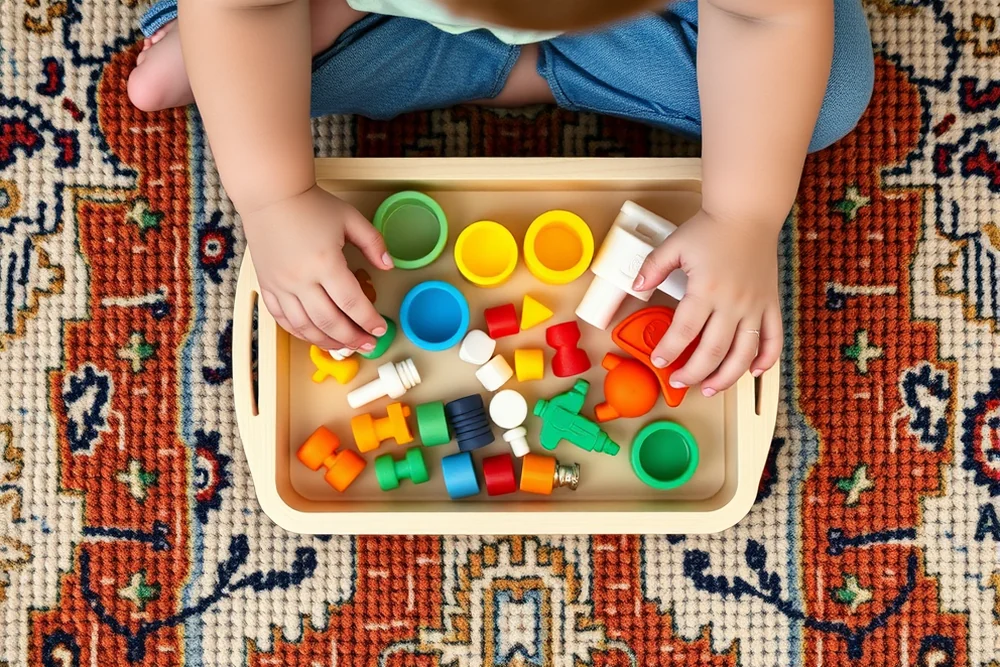
I used to think that natural sensory play had to be a special occasion or a weekend activity, but I was wrong. One of the easiest ways to make it a daily habit is to take a short walk every morning or afternoon. Even a 15-minute stroll can provide plenty of sensory experiences for your child.[1]
I also find that incorporating natural materials into everyday activities is a great way to make sensory play a part of your routine. For example, I use dried leaves as a natural confetti for birthdays, or I let my daughter sort rocks by size and texture while we're cooking dinner.
When you make natural sensory play a regular part of your day, your child begins to expect it and look forward to it. It becomes a way to bond, explore, and grow together — and that's something that will last a lifetime.
Natural Sensory Play and the Importance of Being Present
In the early days of natural sensory play, I found myself distracted by my phone or other tasks. But I quickly learned that being present — truly present — was the most important part of the experience. When I put my phone away and focused on the moment, my daughter's eyes lit up and she became more engaged and curious.
Being present means noticing the small things — like the way the wind moves the leaves, the sound of birds in the trees, or the texture of a rock in your child’s hand. These are the moments that make natural sensory play so special, and they’re only possible when you’re fully there.
I now make it a point to leave my phone in my pocket or bag when we go on walks or do natural sensory activities. It’s a small change, but it has made a huge difference in the quality of our time together. It’s not just about the activity — it’s about the connection we’re making in the moment.
⭐ Classic
The original texture box using a mix of leaves, stones, and cotton balls for a balanced sensory experience.
💰 Budget
A low-cost version using items you may already have on hand, like sand, paper, and fabric scraps.
⚡ Extra-Fast
A quick sensory activity that can be set up in under 10 minutes, perfect for busy days.
✨ Depth
An advanced version that includes items like pinecones, dried flowers, and twigs for more complex textures and scents.
🥗 Light
A minimalist version that uses only a few natural materials to provide a simple but meaningful sensory experience.
| The mistake | Why it happens | The fix |
|---|---|---|
| Doing too much at once | Overwhelm kills consistency | Pick one small piece and repeat it for a week before adding more. |
| Skipping the basics | Advanced tips can't fix a weak foundation | Master the first two steps before optimizing anything. |
What You'll Need tap to check off
- 1 lb Mixed dried leaves (oak, maple, etc.)
- ½ cup Smooth river stones or pebbles
- ½ cup Cotton balls (for soft texture)
- ½ cup Dried lavender (for scent)
- ½ cup Coarse sand or soil (for rough texture)
- Wooden sticks or twigs (for texture and grip)
Method tap a step when done
- Gather all the ingredients from your backyard, a local park, or a nature reserve. Ensure the materials are safe and clean.
- Sort the items into separate containers based on texture: smooth, rough, soft, and scented.
- Place the containers on a table or in a basket, allowing your child to explore each item by touch.
- Encourage your child to describe the textures, colors, and scents of each material.
- Allow your child to create a 'texture box' by mixing and matching different materials.
- End the activity by discussing the experience and what they learned about the natural world.
Key Facts
Natural Sensory Play
Common Questions
What if I don't have access to nature?
How long should a natural sensory play session last?
What if my child is not interested in natural sensory play?
Are there any safety concerns with natural sensory play?
References
- (PDF) Young Children and Nature: Outdoor Play and Development ... (academia.edu)
- Cognitive development and sensory play - MSU Extension (canr.msu.edu)
- Natural Play Spaces - Early Educator Support Office at UNC Charlotte (earlyeducatorsupport.charlotte.edu)
- PDF Nature Play Supports Early Childhood Children's Creativi (hdfs.hs.iastate.edu)
- Parent and early childhood educator perspectives of unstructured nature ... (ncbi.nlm.nih.gov)
Cite this guide
PlayMessy (2026). Natural Sensory Play. https://playmessy.com/natural-sensory-play/
Feel free to cite or share this guide.