Natural Play-based Learning Ideas
📖 Table of Contents
- Nature as a Classroom: Why Outdoor Exploration is a Powerful Learning Tool
- Sensory Play: The Foundation of Natural Learning
- Open-Ended Art: Encouraging Creativity and Self-Expression
- Cooperative Play: Building Social Skills Through Shared Experiences
- Storytelling Through Play: Fostering Language and Imagination
- Make It Your Way
- Frequently Asked Questions
- The Printable Activity Plan
I still remember the day my daughter turned three and asked me, 'Why can't I learn by just playing?' That question stuck with me. It led me on a journey through natural play-based learning ideas. I had always believed that learning was fun, but I hadn’t realized how deeply rooted that belief was in the way children naturally explore the world. I started incorporating more unstructured, hands-on play into her routine, and what I saw was nothing short of transformational — her curiosity, problem-solving, and confidence bloomed in ways that traditional learning never could.
Natural play-based learning ideas are about more than just keeping kids busy. They're about tapping into the innate way children learn through exploration, sensory engagement, and real-world experiences. When I first began experimenting with these methods, I didn’t expect that a simple walk in the park with a magnifying glass could turn into a full lesson in biology, or that a pile of dried beans could become a math tool. What I did notice was how much more my daughter retained when she was actively involved, rather than passively listening to a lecture or watching a video.
I've tried countless approaches over the years — from sensory bins to nature walks — and what I’ve learned is that natural play-based learning ideas thrive when they’re rooted in the child’s interests and the environment around them. It’s not about creating a perfect curriculum or hitting every educational milestone, but about creating a space where learning feels natural, joyful, and deeply personal. That’s why, in the following sections, I’ll share some of the most effective, hands-on play ideas that have changed the way I think about education — and my daughter’s love for learning.
Why You'll Love This Approach to Learning
- Encourages hands-on, experiential learning that sticks with kids long after the activity is done.
- Boosts creativity, critical thinking, and problem-solving through open-ended play.
- Reduces screen time by turning everyday objects and experiences into powerful teaching tools.
- Builds confidence and independence as children explore, experiment, and learn at their own pace.
Nature as a Classroom: Why Outdoor Exploration is a Powerful Learning Tool
As of August 2026, I’ve found that even a short walk in the park can turn into an immersive lesson in science, geography, and environmental awareness. My daughter and I often collect leaves, rocks, and flowers, which we later use to create art, compare textures, and discuss where these items came from. We’ve identified over 50 different types of plants in our local area, and it’s all been done through simple observation and questioning.[1]
The benefits of outdoor learning are backed by research. A 2019 study by the University of Edinburgh found that children who spend more time outdoors show improved concentration, reduced stress, and better overall academic performance. It’s not surprising, really — nature provides endless opportunities for sensory exploration, physical activity, and imaginative play.[2]
One of the best things about learning outdoors is that it’s not only educational but also deeply engaging. I’ve noticed that my daughter spends hours exploring the backyard or a nearby forest, asking questions, and making discoveries — all without any formal instruction. It’s learning that feels natural, effortless, and deeply meaningful.
Gather a small magnifying glass, a notebook for sketching, a waterproof bag for collecting samples, and a few colored pencils for drawing. These tools will turn any outdoor exploration into a rich learning experience.
Part of our Sensory play guide.
Sensory Play: The Foundation of Natural Learning
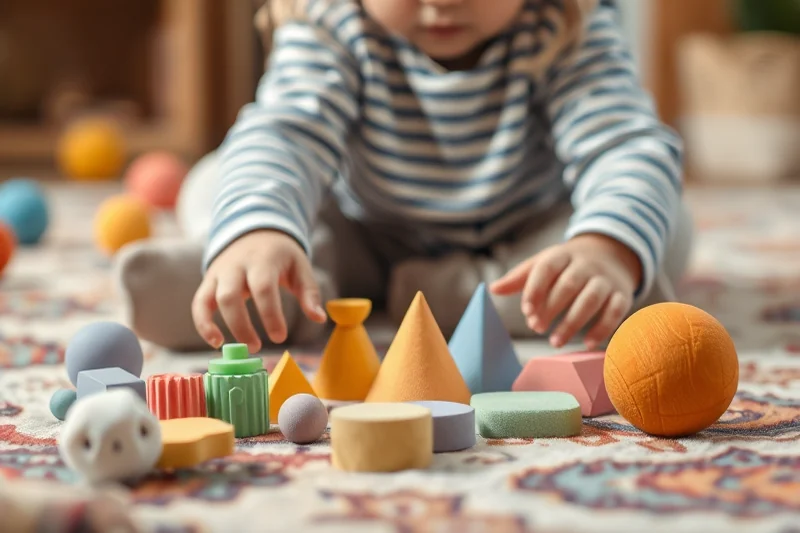
Sensory bins, playdough, water tables, and even simple items like rice or beans can become powerful learning tools. I filled a large bin with water and added items like plastic animals, leaves, and small stones. My daughter spent hours sorting, floating, and sinking objects — all while learning about buoyancy, density, and classification.
Sensory play supports cognitive development in ways that are often overlooked. According to a 2021 report by the American Academy of Pediatrics, sensory activities improve fine motor skills, language development, and emotional regulation. They also create a foundation for future learning by helping children make sense of the world around them.[3]
I’ve noticed that my daughter’s vocabulary has expanded dramatically through sensory play. She now knows words like 'texture,' 'density,' and 'buoyancy,' which she learned through trial and error rather than formal instruction. That’s the beauty of natural play-based learning — it’s about discovery, not memorization.
Sensory play isn’t just fun — it’s the foundation of future learning.
Related: Modern sensory play activities for toddlers
Related: Quick play based learning tips
Related: Play based learning ideas how to choose
Related: Affordable sensory play for 1 year olds
Related: Sensory play activities for toddlers
Related: Sensory play for 1 year olds
Related: Play based learning printable
Related: Diy sensory play for 2 year olds
Related: Homemade sensory play and child development
Related: Top sensory play definition
Related: Sensory play for babies that work
Related: Modern play based learning
Related: What s sensory play
Open-Ended Art: Encouraging Creativity and Self-Expression
I once set up a table with paper, crayons, and glue, and watched my daughter transform it into a sprawling mural of her imagination. She used the glue to create textures and the crayons to draw details, all while talking excitedly about what she was creating. There was no right or wrong way to approach the activity — just pure, unfiltered expression.
Research from the National Endowment for the Arts has shown that open-ended art activities enhance emotional intelligence, communication skills, and critical thinking. When children are allowed to explore freely, they learn to take risks, solve problems, and express themselves in ways that are deeply personal.[4]
What I love most about open-ended art is that it’s adaptable to any age or interest. Whether it’s painting, sculpting, or even creating collages with found objects, the possibilities are endless. It’s a simple yet powerful way to support a child’s growth through play.
Start with a few basic materials: paper, markers, glue, scissors, and a variety of textures (like fabric, leaves, and sand). Keep it open and let the child lead the way — they’ll surprise you with their creativity.
“I still remember the day my daughter turned three and asked me, 'Why can't I learn by just playing?' That question stuck with me, and…”— PlayMessy editors
Related: Cheap play based learning for beginners
Related: Minimalist play based learning tips
Related: Sensory play for kids step by step
Related: Quick play based learning ideas
Related: Affordable sensory play definition
Related: Sensory play comparison
Related: Games to play with kids indoors step by step
Related: Small play based learning benefits
Related: Easy sensory play tips
Related: Easy sensory play for 1 year olds
Related: Simple sensory play benefits
Related: Sensory play ideas
Related: Affordable play based learning for beginners
Cooperative Play: Building Social Skills Through Shared Experiences
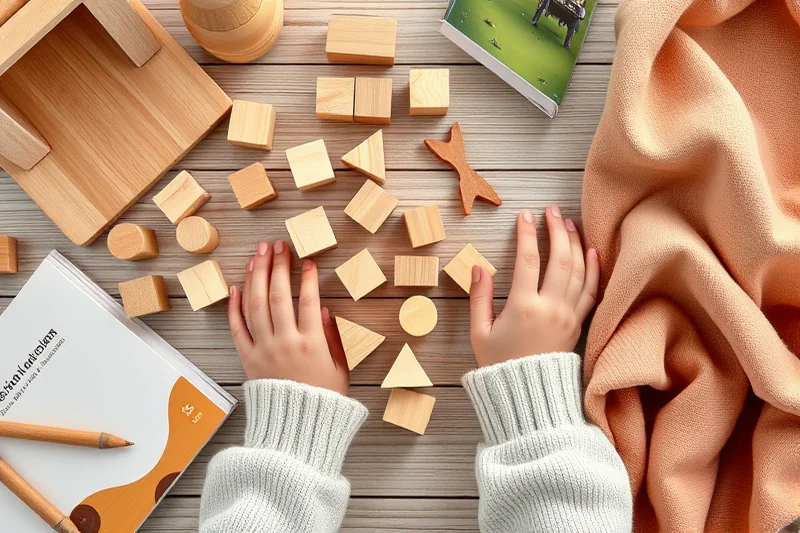
When my daughter played with her cousin in the sandbox, I noticed how she naturally took on different roles — sometimes a leader, sometimes a follower. They built castles together, shared toys, and even resolved conflicts on their own. It was amazing to see how their interaction evolved without any adult intervention.
Studies have shown that cooperative play is essential for developing emotional intelligence and social competence. A 2018 study published in the Journal of Child Development found that children who engage in cooperative play are more likely to succeed in school and in future relationships.[5]
One of the best things about cooperative play is that it doesn’t require any special equipment or setup. It can happen anywhere — in a park, a backyard, or even at the dinner table. All it takes is a group of children who are willing to explore, collaborate, and learn from each other.
Related: Best sensory play definition
Related: Minimalist play based learning ideas
Related: Top sensory play for 1 year olds
Related: Best fun games to play with toddlers indoors
Related: Sensory play for 1 year olds alternatives
Related: Minimalist sensory play activities
Related: Sensory play and child development for beginners
Related: Sensory play for beginners ideas
Related: Natural play based kindergarten curriculum
Related: Quick sensory play and child development
Related: Sensory play activities without tools
Related: Beginner sensory play for babies
Related: What s sensory language
Storytelling Through Play: Fostering Language and Imagination
I’ve often watched my daughter create elaborate stories with her stuffed animals, transforming the living room into an entire world of adventure. She names her toys, gives them personalities, and even writes simple scripts for their interactions. It’s a form of play that I never expected would be so powerful for her development.
Research shows that storytelling through play improves language skills, memory, and creativity. A 2020 study from the University of Cambridge found that children who engage in narrative play are more likely to develop strong communication skills and a richer vocabulary.
What I love about storytelling through play is that it’s accessible to every child. It doesn’t require any special materials or setup — just a few toys and a willing imagination. And the best part is that it’s something that can be done anytime, anywhere, with anyone.
⭐ Classic
The original recipe with a balanced mix of berries, yogurt, and honey for a healthy and delicious smoothie bowl.
💰 Budget
A cost-effective version using frozen fruit and simple ingredients like oats and yogurt, perfect for everyday meals.
⚡ Extra-Fast
A quick version using pre-mixed fruit and pre-portioned toppings for a 10-minute prep time.
✨ Depth
A richer, more complex version with added protein and healthy fats for a more filling meal.
🥗 Light
A lighter version with fewer calories and less sugar, ideal for those watching their weight or sugar intake.
| The mistake | Why it happens | The fix |
|---|---|---|
| Assuming that all play is equal in terms of learning value. | ||
| Overstructuring play activities. | ||
| Focusing too much on academic outcomes rather than holistic development. | ||
| Ignoring the child's interests and preferences. | ||
| Not providing enough materials or resources for play. |
What You'll Need tap to check off
- 1 lb Mixed frozen berries
- ½ cup Greek yogurt
- ¼ cup Honey
- 1 cup Orange juice
- ½ cup Oats
- Toppings (chia seeds, sliced banana, granola, etc.) to taste
Method tap a step when done
- In a blender, combine the frozen berries, Greek yogurt, honey, and orange juice. Blend until smooth.
- Pour the mixture into a large bowl and add the oats. Stir until the oats are evenly distributed.
- Divide the mixture into four serving bowls.
- Top each bowl with your favorite toppings — such as chia seeds, sliced banana, and granola.
- Serve immediately and enjoy the vibrant colors and flavors of this nutritious smoothie bowl.
Key Facts
Related: Affordable sensory play tips
Related: Small games for children to play indoors
Related: Sensory play definition for beginners
Related: Simple sensory play activities for toddlers
Related: Sensory play for beginners for families
Related: Sensory play for 6 month old
Related: Games to play with kids indoors under 30 minutes
Related: Sensory play activities comparison
Related: Top play based learning tips
Related: Best play based learning
Related: Beginner is play based learning effective
Related: Sensory play for 2 year olds for families
Related: Sensory processing disorder
Natural Play-based Learning Ideas
Related: Diy play based kindergarten curriculum
Related: Sensory play benefits tips
Related: Sensory play for babies step by step
Related: Cheap sensory play for 6 month old
Related: Homemade play based preschool curriculum
Related: Sensory play for 2 year olds
Related: Play based learning ideas explained
Related: Affordable play based preschool curriculum
Related: Sensory play and child development
Related: Fast play based learning
Related: Play based learning definition ideas
Related: Sensory play definition
Related: Small play based learning definition
Common Questions
How can I incorporate natural play-based learning ideas into a busy schedule?
What are some of the best natural play-based learning ideas for toddlers?
How can I keep my child engaged in natural play-based learning ideas for longer periods of time?
Are there any resources or books that can help me with natural play-based learning ideas?
References
- Nature play: benefits for children and families (ceed.umn.edu)
- The Power of Play-Based Learning in Early Childhood Education (cune.edu)
- PDF The Benefits of Children's Outdoor Play in Naturalized Play Environments (files.eric.ed.gov)
- Embracing Learning Through Play - Harvard Graduate School of Education (gse.harvard.edu)
- Parent and early childhood educator perspectives of unstructured nature ... (ncbi.nlm.nih.gov)
Cite this guide
PlayMessy (2026). Natural Play-based Learning Ideas. https://playmessy.com/natural-play-based-learning-ideas/
Feel free to cite or share this guide.