Diy Sensory Play Tips
📖 Table of Contents
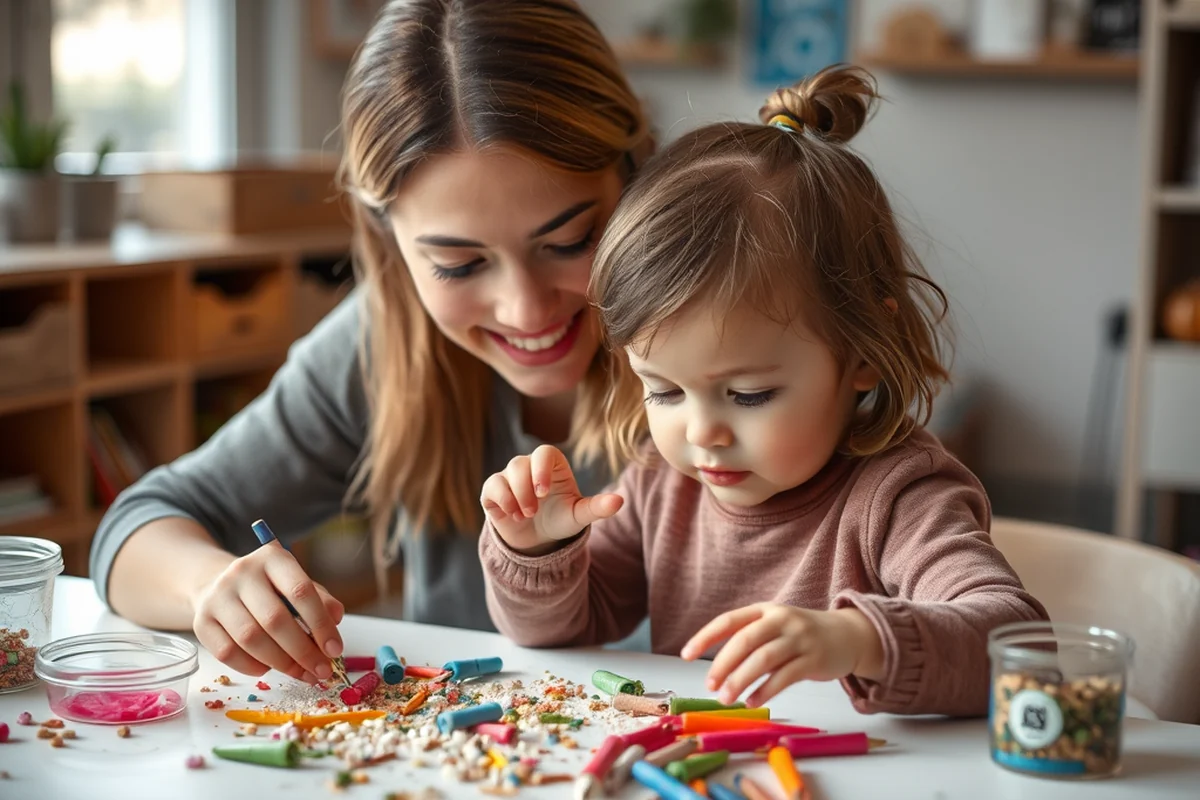
I remember the first time my son sat cross-legged on the living room floor, eyes wide, fingers digging into a bin of squishy, colorful rice and beans. It wasn’t just play—it was learning, exploration, and a sensory experience that felt like magic. That moment made me realize the power of DIY sensory play. You don’t need a fancy toy or a trip to the store; with just a few household items, you can create an experience that engages your child’s senses, fuels creativity. Fosters development. DIY sensory play tips don’t have to be complicated, but they do need to be intentional.[3]
As a parent, I’ve spent hours researching and experimenting with sensory bins, texture boards, and messy play activities. The truth is, the best sensory activities come from real, tactile materials that your child can see, touch, and even taste. I’ve learned that simplicity is key. A bin of rice, a few plastic animals, and a small scoop can lead to hours of engagement. DIY sensory play tips often revolve around accessibility, cost, and the ability to adapt to your child’s interests and developmental stage. Whether you’re a first-time parent or a seasoned playgroup organizer, there’s something in this guide for you.[4]
I’ll be honest—some of the most valuable lessons in my parenting journey have come from these small, sensory-rich moments. When my daughter was two, I filled a container with cornstarch and water, creating a gooey, non-mess slurry that she could mold with her hands. It was messy, but it was worth it. The way she giggled, the way her fingers explored the texture, the way she learned about cause and effect—it was unforgettable. DIY sensory play tips don’t just help with development; they help build bonds, spark curiosity, and make everyday moments feel extraordinary.[5]
Why You'll Love This Sensory Play Guide
- It’s affordable and uses items you already have at home.
- It's easy to customize for your child’s interests and developmental stage.
- It promotes tactile learning, creativity, and sensory exploration.
- It fosters engagement and bonding through shared playtime.
The Magic of Messy Play
As of August 2026, I still remember the way my son’s face lit up when he first dipped his hands into a bin of wet sand and small plastic dinosaurs. It was messy, but it was also magical. Messy play is one of the most effective forms of sensory play for young children. It allows them to explore textures, practice motor skills, and engage in imaginative play without the pressure of perfection. According to the American Academy of Pediatrics, sensory play helps children develop cognitive, social, and emotional skills by encouraging problem-solving and hands-on learning.[1]
The key to messy play is to embrace the mess and set clear boundaries. I recommend using a waterproof mat or covering the floor with newspaper to make cleanup easier. I also like to have a few clean-up tools on hand, like a small bucket for water and a few paper towels. My son’s favorite messy play activity is a bin of water and small plastic toys. He loves using a small net to 'fish' for the toys and then dumping them back in. It’s not only fun, but it also helps him learn about cause and effect and hand-eye coordination.[2]
One of the best things about messy play is that it can be tailored to your child’s interests. If your child loves dinosaurs, fill a bin with sand and plastic dinosaurs. If they love animals, use a bin with beans and toy animals. I’ve also used cornstarch and water to create a non-mess slurry that my daughter loves to mold and squish. The possibilities are endless, and the benefits are huge.
Before you start, set up a play area that is easy to clean. Use waterproof mats, newspapers, or plastic table covers. Have a few clean-up tools nearby, like small buckets, paper towels, and a sponge. This will make the process much easier and less stressful for both you and your child.
Part of our Sensory play guide.
Creating a Sensory Bin: The Basics
Creating a sensory bin is one of the easiest and most versatile DIY sensory play tips you can follow. All you need is a large bin, a filling material, and a few small toys or objects. I like to use a plastic container with a lid to keep the mess contained. My favorite filling materials are rice, beans, and cornstarch, but you can also use shredded paper, dried pasta, or even kinetic sand. I’ve used all of these with my children and found that each offers a different texture and level of engagement.
When I made my first sensory bin, I used a large plastic bin filled with rice and a few plastic animals. My son loved digging through the rice to find the animals, and he spent hours playing with it. I also added a small scoop and a few small containers for him to transfer the rice from one bin to another. It was simple, but it was incredibly engaging. I’ve since expanded the concept by adding different materials and toys, such as small plastic cars, blocks, and even small trinkets from around the house.
One of the best things about sensory bins is that they can be customized to match your child’s interests. If they love vehicles, add toy cars and trucks. If they love animals, add toy animals and pretend food. I’ve even used sensory bins to teach my children about different textures and materials, such as smooth, rough, and bumpy. It’s a great way to introduce sensory vocabulary and encourage exploration.
A sensory bin is like a treasure chest of textures, waiting to be explored.
Related: Fast sensory play for 6 month old
Related: Beginner play based learning benefits
Related: Natural sensory play
Related: Games to play with kids indoors step by step
Related: Play based learning for beginners comparison
The Power of Texture in Sensory Play
Texture is one of the most important elements of sensory play, and it can make or break an activity. I’ve found that my children are more engaged when they can touch and feel different textures, whether it’s the roughness of sand, the smoothness of rice, or the squishiness of cornstarch. I’ve even used materials like felt, wool, and even fabric scraps to create texture boards that my children can explore with their hands.
I once made a simple texture board using a piece of cardboard and attached different materials to it using hot glue. I used felt, cotton balls, wool, and even a piece of rubber. My children loved running their fingers over the different textures and guessing what each one was. It was a great way to teach them about tactile exploration and sensory vocabulary. I also used the texture board to talk about adjectives like 'rough,' 'smooth,' 'soft,' and 'bumpy.'
Texture is also a great way to introduce new materials and encourage sensory exploration. I’ve used things like bubble wrap, sandpaper, and even different types of fabric in my sensory activities. It’s amazing how much children can learn through touch alone. When I first introduced bubble wrap to my son, he was fascinated by the way it felt when he pressed it with his fingers. It was like a mini science experiment, and he loved it.
Use a variety of materials in your sensory activities to encourage tactile exploration. Think about different textures like smooth, rough, bumpy, and squishy. Use items like fabric scraps, sandpaper, bubble wrap, and felt to create a rich sensory experience for your child.
“I remember the first time my son sat cross-legged on the living room floor, eyes wide, fingers digging into a bin of squishy, colorful rice…”— PlayMessy editors
Sensory Play for Developmental Milestones
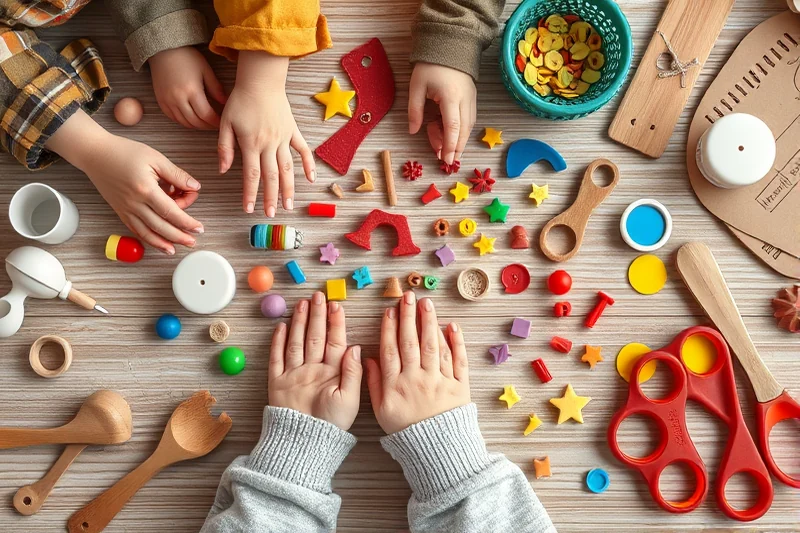
Sensory play is not just about fun—it’s also about development. I’ve noticed that my children have made significant progress in their motor skills, cognitive development, and emotional regulation through sensory play. For example, I’ve used sensory bins to help my son develop his fine motor skills by having him pick up small objects with his fingers or use tweezers to transfer items from one bin to another.
I’ve also used sensory play to help my daughter with her emotional regulation. When she was struggling with transitions, I started using a sensory bin filled with soft, smooth materials like cotton balls and shredded paper. She would sit and play with it for a while, and it helped her calm down and refocus. I’ve found that sensory play is a great tool for helping children regulate their emotions and manage stress.
I’ve even used sensory play to support my children’s language development. When we play with sensory bins, I like to use a lot of descriptive language. I’ll talk about the colors, textures, and shapes of the materials we’re using. I’ve also used sensory play to teach my children about numbers, counting, and patterns. It’s amazing how much learning can happen through play.
Making Sensory Play a Family Activity
One of the best things about sensory play is that it can be a family activity. I’ve found that involving my husband and my children in sensory play has created some of our most cherished memories. We’ve spent hours making sensory bins together, and it’s been a great way to bond and share quality time. I’ve even made it a weekly tradition to create a new sensory bin together, using materials we find around the house.
I’ve found that sensory play is a great way to encourage teamwork and collaboration. When we make a sensory bin together, my children and I take turns adding materials and discussing what we can use. It’s a great way to teach them about cooperation, sharing, and taking turns. I’ve also used sensory play to teach my children about different textures and materials, and it’s been a fun way to introduce them to new concepts.
I’ve even used sensory play as a way to encourage creativity and imagination. When my children and I play with sensory bins, we often create stories together. We pretend the plastic animals are on an adventure or that the rice is a mountain. It’s a great way to encourage storytelling and imaginative play. I’ve found that sensory play is a wonderful way to create lasting memories and build strong family bonds.
⭐ Classic
A simple, go-to sensory bin with cornstarch and water for a squishy, non-mess texture.
💰 Budget
Use rice, beans, or other household items to create an affordable and customizable sensory bin.
⚡ Extra-Fast
Skip the slurry and use pre-made materials like kinetic sand or sensory beads for quick setup.
✨ Depth
Add layers of textures and materials to create a rich, multi-sensory experience for your child.
🥗 Light
Use soft, smooth materials like cotton balls and shredded paper for a gentle sensory experience.
| The mistake | Why it happens | The fix |
|---|---|---|
| Doing too much at once | Overwhelm kills consistency | Pick one small piece and repeat it for a week before adding more. |
| Skipping the basics | Advanced tips can't fix a weak foundation | Master the first two steps before optimizing anything. |
What You'll Need tap to check off
- 1 lb Cornstarch
- ½ cup Water
- Plastic animals or small toys (to taste)
Method tap a step when done
- In a large mixing bowl, add 1 pound of cornstarch.
- Slowly add 0.5 cup of water, stirring continuously until the mixture becomes thick and gloppy.
- Continue adding small amounts of water until the mixture reaches the desired consistency. It should be thick enough to hold its shape when squeezed but still pliable.
- Once the slurry is ready, transfer it to a large plastic container or bin.
- Add plastic animals or small toys to the slurry for your child to play with.
- Mix everything together gently to ensure the toys are evenly distributed throughout the slurry.
Key Facts
Diy Sensory Play Tips
References
- Supporting Children's Learning Through Play - Childcare.gov (childcare.gov)
- PDF Sensory Play (dese.ade.arkansas.gov)
- The Impact of Sensory Materials on the Behavior of Children in Early ... (digitalcommons.cortland.edu)
- Splish, Splash, Splat - Hooray for Messy Play! | HeadStart.gov (headstart.gov)
- Nature Play Area & Sensory Trail | Holly Springs, NC - Official Website (hollyspringsnc.gov)
Cite this guide
PlayMessy (2026). Diy Sensory Play Tips. https://playmessy.com/diy-sensory-play-tips/
Feel free to cite or share this guide.