Modern Sensory Play Ideas
📖 Table of Contents
- DIY Sensory Bins: A Messy, Magical Way to Learn
- The Power of Color and Light in Sensory Play
- Kinetic Sand: The Perfect Balance of Soft and Squeezable
- DIY Slime: A Sensory Play Staple with a Twist
- Natural Materials: A Simple Way to Connect with the World
- Make It Your Way
- Frequently Asked Questions
- The Printable Activity Plan
I remember the first time my daughter, now 3, reached for a jar of glitter and began squishing it between her fingers. It was messy, it was loud, but it was pure joy. That moment, in the middle of our living room, was the start of our journey into modern sensory play ideas. These are the kinds of experiences that don't just entertain but also stimulate a child's developing brain. I didn't know much about sensory play back then — just that she was having fun. But now, I know it's more than just a distraction. It's a tool that helps kids process the world, build fine motor skills, and even manage emotions. For the full picture, see the complete guide to sensory play — our complete hub on the topic.[2]
Over the years, I've collected a wide range of modern sensory play ideas, from DIY slime and kinetic sand to sensory bins filled with beans, rice, and even pasta. Each one offers a unique experience, and some have become regular fixtures in our home. I've learned that sensory play can be tailored to fit any budget, any space, and any child's preferences. Whether you're a parent who's new to the concept or a seasoned practitioner, there's something here for you. These ideas are grounded in real practice, not theory, and they've stood the test of time in our household.
One of the best parts of modern sensory play is how adaptable it is. I've seen my daughter transform a simple bowl of water into a science experiment, mixing in food coloring and drops of liquid soap to watch the colors swirl and dance. I've also watched her sit quietly for 20 minutes in a sensory bin filled with fake snow, her fingers tracing the texture and her eyes wide with wonder. These are the kinds of moments that make me proud, and they're the reason I want to share these modern sensory play ideas with other parents. It's not just about play — it's about connection, learning, and growth.[1]
Why You'll Love This Modern Sensory Play Guide
- Encourages deep engagement through tactile, visual, and auditory stimuli
- Offers flexible, budget-friendly activities that can be tailored to any child's needs
- Supports emotional regulation and cognitive development through play
- Provides step-by-step ideas that are easy to implement and sustain over time
DIY Sensory Bins: A Messy, Magical Way to Learn
As of August 2026, Sensory bins are a staple in our home — they're the kind of activity that can be revisited again and again without losing their appeal. I've used anything from rice and beans to pasta and shredded paper to fill them, and each has offered a unique experience. The beauty of a sensory bin is that it's not just about playing with the materials inside; it's also about the way the child interacts with them. My daughter enjoys digging through the bins with her hands, searching for hidden toys or sorting the materials by size or texture.
The first time we made a sensory bin, I used rice and a few small plastic animals. I added some food coloring and a few drops of dish soap to create a swirling effect, which made the experience even more engaging. My daughter was fascinated by the way the colors moved through the rice and by the way the soap made the grains separate. It was a simple activity, but it sparked a lot of curiosity and conversation. She asked questions about what the rice was, why the colors moved, and even tried to replicate the effect with different items.
Another time, I used shredded paper and a few drops of essential oil to make a scented sensory bin. My daughter loved the way it smelled and how it felt between her fingers. I found that adding different textures and scents made the experience more immersive and helped her explore the world around her in a new way. These kinds of sensory bins are not only fun but also educational, helping kids develop fine motor skills, hand-eye coordination, and even early science concepts like cause and effect.
Place a small, favorite toy in the bin and let your child dig for it. This encourages patience, problem-solving, and a sense of accomplishment when they find it.
The Power of Color and Light in Sensory Play
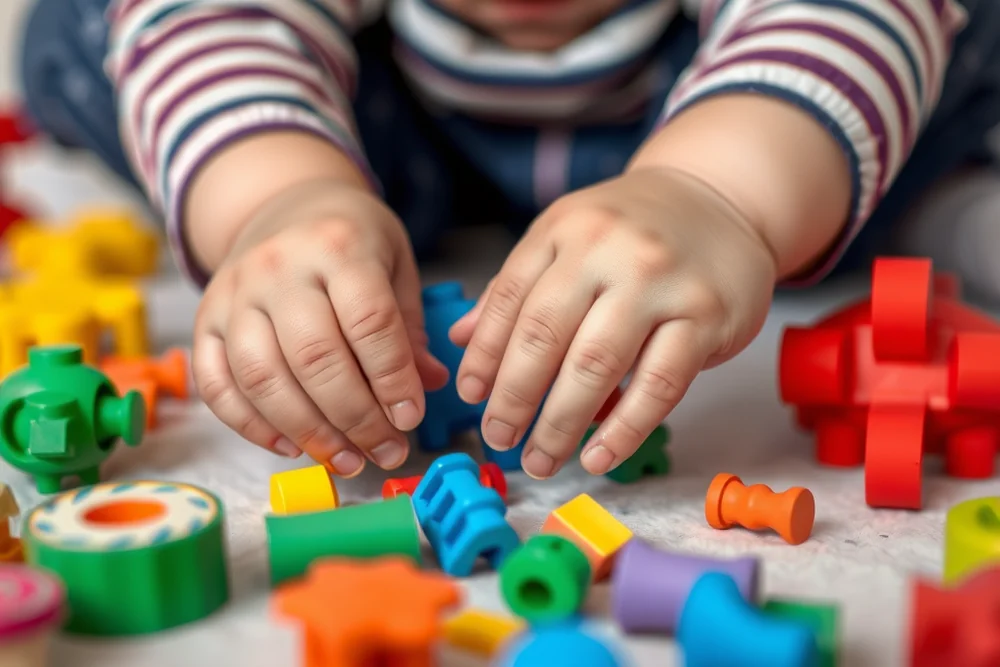
I've noticed that when we introduce color and light into sensory play, the engagement level goes up significantly. One of my favorite activities is using colored water and a flashlight to create light patterns on a wall or ceiling. My daughter loves watching the colors shift and change as the light moves. It's a simple idea, but it's had a big impact on her ability to focus and follow patterns.
Another time, we used a projector with colored slides and a white sheet to create a makeshift planetarium in our living room. The way the colors blended and moved across the sheet fascinated her. I've found that these kinds of activities are not only fun but also help develop visual processing skills and color recognition. It's amazing how much a child can learn through the simple act of watching and interacting with light and color.
I've also used colored paper and flashlights to create a DIY light table. By placing colored paper under the flashlight, I was able to create different light patterns and textures on the table, which my daughter then explored with her hands. It was a way to combine sensory play with art and science, making it both educational and enjoyable.
Light and color can be a gateway to creativity and curiosity in young children.
Related: Natural play based kindergarten curriculum
Related: Essential sensory play benefits
Related: Affordable sensory play tips
Related: Small games for children to play indoors
Related: Affordable sensory play for 1 year olds
Kinetic Sand: The Perfect Balance of Soft and Squeezable
Kinetic sand is one of the most popular sensory play ideas in our home. It has a unique texture — it's soft, but it also holds its shape when molded, making it perfect for both creative play and sensory exploration. My daughter loves using it to build castles, make shapes, and even create little landscapes. It's been a go-to activity during times when she needs to unwind or when she's just in the mood for something different.
I've found that kinetic sand is great for teaching about texture and density. One day, I had my daughter compare kinetic sand with water and rice to see how each felt and moved. She was fascinated by the way the sand held its shape and how it didn't flow like water or scatter like rice. It was a simple experiment, but it helped her understand the properties of different materials in a tangible way.
Another benefit of kinetic sand is that it's easy to clean up and doesn't stain. This is a big plus when you're trying to keep things simple and mess-free. I've used it to create little molds with cookie cutters and even to make mini sculptures. It's a versatile material that's both safe and easy to use, making it a great addition to any sensory play toolkit.
Mix a few drops of essential oil into kinetic sand to add a pleasant scent and make the experience more immersive.
“I remember the first time my daughter, now 3, reached for a jar of glitter and began squishing it between her fingers.”— PlayMessy editors
DIY Slime: A Sensory Play Staple with a Twist
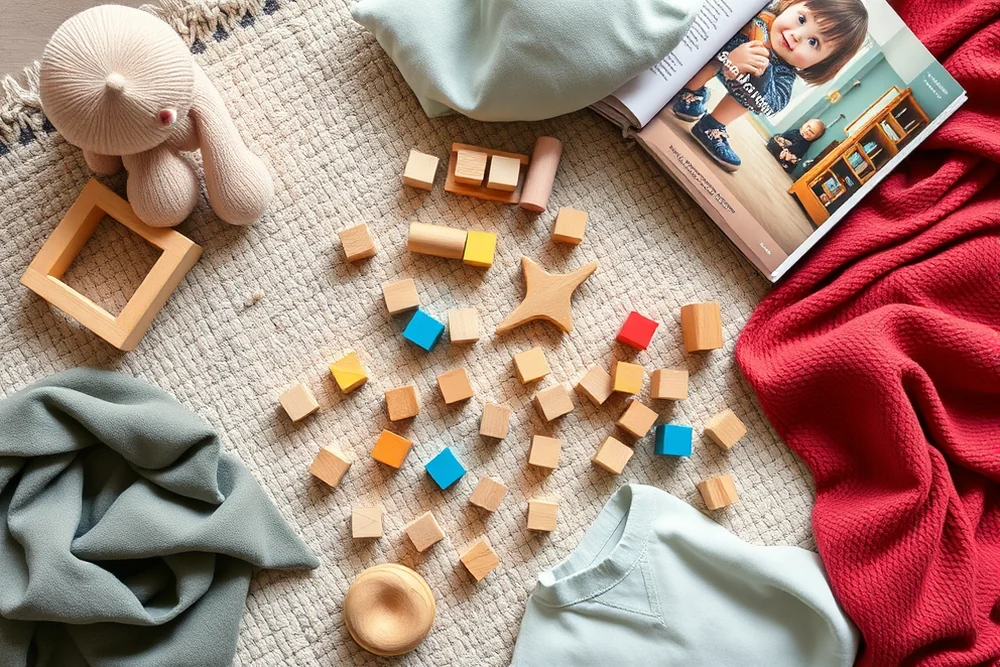
DIY slime is another staple in our sensory play routine. It's simple to make, and it's a hit with my daughter every time we make it. The process of making slime is also a great learning experience. I've found that mixing the ingredients together and watching the slime form is a way to teach about chemical reactions and how different substances interact.
One of my favorite slime recipes uses liquid starch and school glue. The way the slime forms is both fascinating and fun. My daughter loves stretching it, squishing it, and watching it move. I've also used food coloring and glitter to make the slime more visually appealing. It's amazing how much she enjoys the way the colors swirl and dance as the slime moves.
Another time, I tried making a version of slime with cornstarch and water, which creates a different texture. I found that this was a great way to explore the concept of non-Newtonian fluids. My daughter was fascinated by how the slime felt when it was squished and how it behaved differently when it was left to sit. It was a fun and educational activity that we both enjoyed.
Natural Materials: A Simple Way to Connect with the World
I've found that using natural materials for sensory play is a great way to connect with the environment and teach kids about the world around them. One of my favorite activities is taking walks with my daughter and collecting items like leaves, rocks, and pinecones to use in sensory play. These items offer a range of textures, shapes, and colors, making them perfect for exploration.
I once created a sensory bin filled with different types of leaves and small pebbles. My daughter loved feeling the smooth stones and the rough edges of the leaves. I found that this kind of activity helped her understand the different properties of natural materials and how they can be used in different ways. It was also a great way to teach her about the environment and the importance of taking care of it.
Another time, we used sand from our backyard to create a sensory bin filled with small shells and seashells. I found that this kind of activity was both calming and educational, helping my daughter explore the textures and shapes of different natural materials. It was a simple way to make a connection with the outdoors and to teach her about the natural world.
⭐ Classic
Basic rice and food coloring for a straightforward, colorful sensory experience.
💰 Budget
Use leftover rice and food coloring from other projects to save money.
⚡ Extra-Fast
Skip the dish soap and let the rice sit for just 5 minutes before use.
✨ Depth
Add different textures like small pebbles or dried pasta to increase sensory complexity.
🥗 Light
Use white rice and avoid dish soap for a milder, more natural sensory experience.
| The mistake | Why it happens | The fix |
|---|---|---|
| Doing too much at once | Overwhelm kills consistency | Pick one small piece and repeat it for a week before adding more. |
| Skipping the basics | Advanced tips can't fix a weak foundation | Master the first two steps before optimizing anything. |
What You'll Need tap to check off
- 1 lb uncooked white rice
- ½ cup food coloring (choose your favorite colors)
- dish soap (optional, for a more slippery texture)
Method tap a step when done
- Place the uncooked rice in a large mixing bowl.
- Add a few drops of food coloring to the rice and mix thoroughly with your hands or a spoon until the rice is evenly colored.
- If you want a more slippery texture, add a few drops of dish soap to the rice and mix again.
- Let the rice sit for a few minutes to allow the colors to settle and the dish soap (if used) to distribute evenly.
- Transfer the colored rice to a sensory bin or a large container for play.
- Encourage your child to explore the rice with their hands, digging and sorting, or hiding small toys for them to find.
Key Facts
Modern Sensory Play Ideas
Common Questions
What are the best materials for sensory play?
Are there any safety concerns with sensory play?
How can I make sensory play more educational?
What are some easy DIY sensory play ideas?
References
- MODERN Definition & Meaning - Merriam-Webster (merriam-webster.com)
- Effects of sensory integration therapy in children: A systematic review ... (sciencedirect.com)
Cite this guide
PlayMessy (2026). Modern Sensory Play Ideas. https://playmessy.com/modern-sensory-play-ideas/
Feel free to cite or share this guide.