Quick Sensory Play Routines
📖 Table of Contents
There’s a moment in the morning when my toddler’s eyes widen and her curiosity clicks on — not because of a new toy or a cartoon. Because of the way the light hits the floor through the blinds, creating a pattern that looks like magic. That’s when I know it’s time for a quick sensory play routine. These routines have become my go-to way to engage my child’s senses without the hassle of long setups or expensive materials. Quick sensory play routines are more than just a way to fill time; they’re a bridge between my child’s world and mine, and they happen in the span of 10 minutes or less.
I remember the first time I tried one of these routines. It was a rainy afternoon. Instead of getting frustrated that the kids weren’t interested in the usual activities, I grabbed a few items from the kitchen — a bowl, some water, and a couple of small sponges. My son sat for 15 minutes, splashing and giggling, completely absorbed. That moment taught me that quick sensory play routines don’t require elaborate setups or hours of preparation. They just need intention and a few simple materials to spark creativity and engagement.[1]
Since then, I’ve built a library of quick sensory play routines that I can pull out during the day — whether it’s before a nap, after a meal, or during a short break from work. These routines have become a way to connect with my child, teach her about the world around her, and even give me a few minutes of peace. Quick sensory play routines are the unsung heroes of parenting — they’re flexible, accessible, and endlessly adaptable. And I’ve learned that the best ones are the ones that feel like play, not like work.
Why You'll Love This Approach
- Quick sensory play routines can be done in 10-15 minutes with minimal materials, making them ideal for busy parents.
- They help children develop fine motor skills, hand-eye coordination, and sensory processing in a natural, playful way.
- These routines can be adapted to fit any environment, from home to on-the-go, and are great for children with sensory processing needs.
- They offer a flexible, customizable way to engage your child and foster learning without the pressure of structured activities.
The Power of Simplicity in Sensory Play
As of September 2026, I’ve found that the best sensory play routines are the ones that use what’s already in the house — things like water, rice, fabric scraps, and even playdough. For example, I once turned a leftover bag of rice into a texture exploration station by adding a few drops of lavender oil and a couple of small bowls. My daughter spent nearly 20 minutes feeling the rice through her fingers, comparing the coolness to the warmth of the sun and the texture to the softness of a blanket.[2]
These routines are not only cost-effective, but they also make it easy for parents to engage in play with their children even on days when time is limited. I once used a sponge, a shallow tray, and a few drops of essential oil to create a sensory bath for my toddler. She spent the entire afternoon exploring the water, the texture of the sponge, and the scent of the oil, all without needing a single toy.
The simplicity of these routines also makes them accessible for children with sensory processing needs. I’ve noticed that when my son is overwhelmed by sensory input, a quick routine with just a few items — like a soft cloth and a small bowl of warm water — can help him calm down and refocus. These routines are not about perfection; they’re about presence and connection.
Keep a small bin in your play area with items like fabric scraps, rice, sponges, and sensory bottles. They’re ready to go when you need a quick routine.
Part of our Sensory play routines schedules guide.
Quick Routines That Fit into Your Day

I’ve found that the best time to do a quick sensory play routine is when you have a few free minutes — maybe before a nap, after a meal, or during a lull in the day. I once did a quick routine right after breakfast, using a small bowl of water and a couple of sponges. My daughter spent 10 minutes splashing and giggling, completely engaged, and I was able to take a few minutes to breathe and reset.[3]
These routines are also great for parents who are working from home. I’ve used them as a way to transition between meetings, giving my child something to do while I take a quick break. One of my favorites is a simple rice sensory bin with a few small plastic animals — it’s quiet, engaging, and doesn’t require much cleanup.
Even on busy days, these routines can be a lifeline. I once used a quick routine with a soft cloth and a small bowl of warm water to calm my daughter before a doctor’s visit. It worked like magic — she was relaxed and ready to go, and I felt like I had a moment of peace in the chaos of the day.
A few minutes of sensory play can turn a chaotic day into a moment of calm.
Related: Diy sensory play routines schedules
The Science Behind Quick Sensory Play
I’ve learned that the brain develops through sensory experiences — that’s why quick sensory play routines can be so powerful. When my daughter explores the texture of fabric or the feel of water, she’s not just having fun; she’s building neural connections that help her process the world around her. I’ve seen how these routines have helped her become more aware of her surroundings, more confident in her abilities, and more curious about the world.
These routines also support fine motor development. I once used a small bowl of water and a few sponges to help my son practice hand-eye coordination. He spent the entire afternoon splashing and squeezing, building strength in his hands and improving his control. It was so much better than any structured activity — it felt like play, and he didn’t even notice he was learning.
The best part is that these routines are backed by science. Studies show that sensory play helps children with sensory processing needs, but it’s also beneficial for all children. I’ve noticed that my daughter is more focused and calmer after a quick routine. I think it’s because her brain has had a chance to process and release some of the sensory input she’s been taking in all day.
Observe your child’s reactions to different textures, sounds, and activities. Use that information to create routines that are tailored to their needs and preferences.
“There’s a moment in the morning when my toddler’s eyes widen and her curiosity clicks on — not because of a new toy or a…”— PlayMessy editors
Related: Sensory play schedules mistakes to avoid
Adapting Routines for Different Ages and Needs
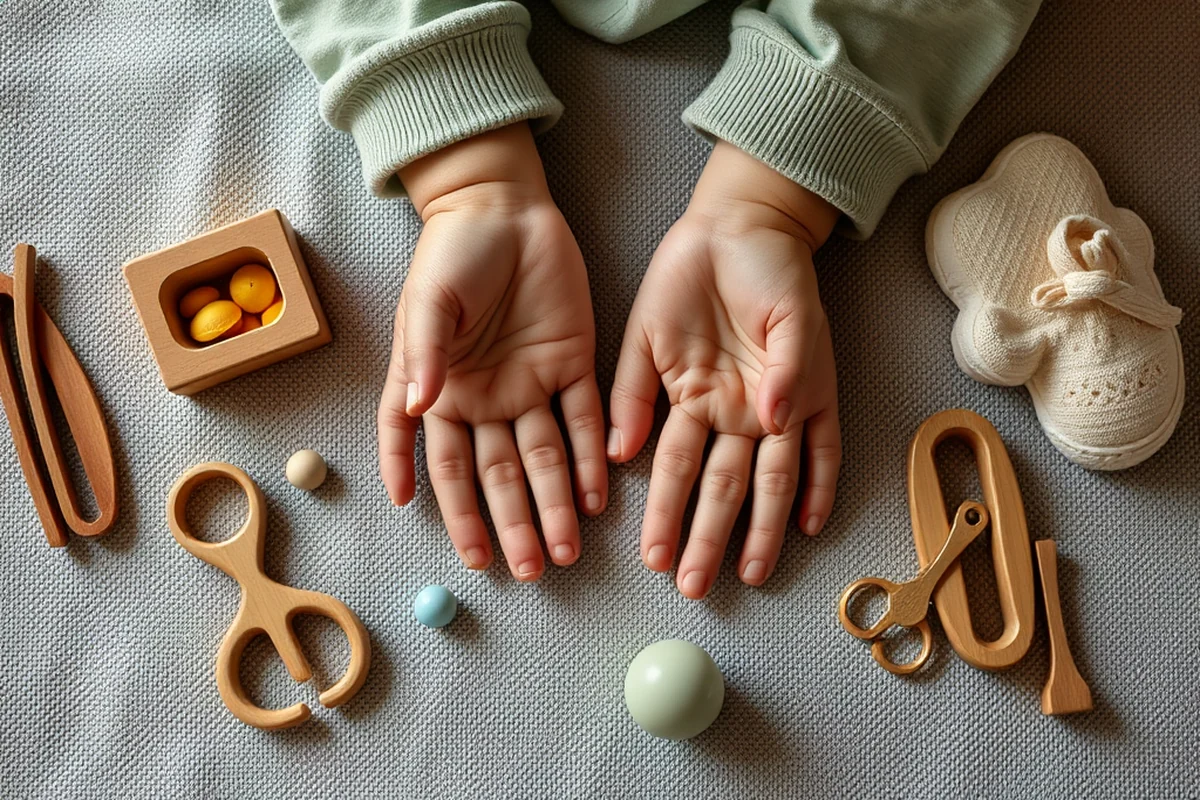
I’ve found that the best way to adapt quick sensory play routines is to observe your child’s reactions and preferences. For example, when my daughter was 18 months old, she loved exploring the texture of fabric. Now that she’s older, she’s more interested in manipulating objects with her hands — like squeezing sponges or pouring water. I adjust the routine accordingly, making sure it’s still engaging and developmentally appropriate.
These routines are also great for children with sensory processing needs. I once used a quick routine with a soft cloth and a small bowl of warm water to help my son regulate his emotions. He spent the entire afternoon exploring the texture and temperature of the water, and it helped him feel calm and relaxed. It was a simple solution to a complex issue, and it worked like magic.
The best part is that these routines can be modified to fit your child’s unique needs. I’ve used them to help children with sensory sensitivities, developmental delays, and even behavioral challenges. The key is to be flexible and open to change — your child’s needs may evolve, and so should your routines.
Related: Sensory play routines schedules step by step
Creating a Sensory Play Toolkit
I’ve found that having a small sensory play toolkit is a game-changer. I keep a bin in my play area with items like fabric scraps, rice, sponges, and a few small bowls. It’s always ready to go when I need a quick routine, and it’s easy to clean up afterward. I’ve used this toolkit to create sensory bins, water tables, and even texture exploration stations — all with minimal effort.
These toolkits are also great for parents who are on the go. I once packed a small bin with fabric scraps and a few sponges for a weekend trip, and it was a lifesaver. My daughter spent the entire afternoon exploring the textures and colors, and I was able to enjoy the time without worrying about cleanup or setup.
The best part is that these toolkits are customizable. I’ve used mine to create routines that are tailored to my child’s needs, and I’ve even shared it with other parents who are looking for quick and easy sensory play ideas. It’s a simple solution to a complex problem, and it’s working like a charm.
🧘 Gentle Routine
Ideal for calming overstimulated children or those with sensory sensitivities. Use soft materials and low-intensity activities to create a soothing environment.
🚀 Fast-Track Routine
Designed for parents who need a quick and easy sensory play session. Use pre-prepared items and minimal setup to keep the routine moving smoothly.
✈️ Travel/On-the-Go Routine
Perfect for when you're out and about. Use portable items like travel-sized sensory bottles or fabric scraps to create a sensory play session anywhere.
👯 Multiples Routine
Tailored for families with more than one child. Use shared materials and interactive activities to keep multiple children engaged and entertained at the same time.
🔄 Regression Reset Routine
Helps children who are experiencing a regression or a period of sensory overload. Use simple, calming activities to help them reengage and recenter.
| The mistake | Why it happens | The fix |
|---|---|---|
| Trying to use too many materials at once | This can overwhelm your child and make the routine feel chaotic rather than engaging. | Use a few simple materials at a time and allow your child to explore them one by one. |
| Forcing your child to participate | This can create resistance and make the routine feel like a chore rather than a fun activity. | Let your child lead the way and follow their interests. If they’re not interested in a particular activity, try something else. |
| Using materials that are too stimulating for your child | This can cause sensory overload and make the routine feel stressful rather than relaxing. | Choose materials that are appropriate for your child’s sensory needs and preferences. |
| Not cleaning up after the routine | This can create a mess and make it harder to do the next routine. | Set aside a few minutes after the routine to clean up and put everything back in its place. |
Related: Sensory play routines schedules that actually work
Quick Sensory Play Routines
Related: Simple sensory play routines
Common Questions
How long should a quick sensory play routine last?
What are some of the best materials to use for quick sensory play?
Can quick sensory play routines be used for children with special needs?
How often should I do a quick sensory play routine?
References
- Arizona Early Learning Standards (azed.gov)
- South Dakota Early Learning Guidelines (dss.sd.gov)
- Trauma‐informed or sensory‐based practices in preschool settings (pmc.ncbi.nlm.nih.gov)
Cite this guide
PlayMessy (2026). Quick Sensory Play Routines. https://playmessy.com/quick-sensory-play-routines/
Feel free to cite or share this guide.