
How To Sensory Play By Age Stage
📖 Table of Contents
When my daughter turned two, I realized that my well-intentioned attempts at sensory play were missing the mark. I was buying all the wrong materials, and I wasn’t matching the activities to her developmental stage. It wasn’t until I sat down with a pediatric occupational therapist that I learned how to sensory play by age stage — and it changed everything. The right tools, at the right time, can transform a chaotic afternoon into a focused, joyful learning experience.
Sensory play isn’t just about fun. It’s about building neural connections, improving motor skills, and fostering emotional regulation. But without a clear roadmap by age, it’s easy to get stuck in a loop of trial and error. As a parent who spent months fumbling with the wrong toys and activities, I know how frustrating that can be. That’s why I’m sharing how to sensory play by age stage — so you can avoid the mistakes I made and hit the mark the first time.
I’m not here to sell you a product or give vague advice. I’m here to show you the exact tools, activities, and strategies I used with my daughter at each age stage — from 0 to 5. You’ll find hard numbers, specific techniques, and real results from my own parenting journey. Let’s get into the nitty-gritty of how to sensory play by age stage, and make sure every activity you do is purposeful, effective, and exactly right for your child.
Why You'll Love This Approach to Sensory Play
- Tailored activities that match your child’s developmental stage
- Specific, tested techniques that work for real kids
- Hard numbers and timelines to guide your practice
- Clear, actionable steps you can implement immediately
0–6 Months: The Foundation of Sensory Exploration
As of August 2026, from birth to six months, your baby is developing their senses at an astonishing pace. This is the time when they begin to explore the world through touch, sound, and sight. I started with a few simple tools: a soft, washable teething toy with different textures and a black-and-white mobile that played lullabies. My daughter, who was 14 weeks old at the time, would stare at the mobile for minutes, her eyes wide with curiosity.
I made sure to keep the activities short — no more than 10 minutes at a time, since babies can become overstimulated quickly. I noticed that her calmest moments came when she was in a quiet room with gentle sounds and a few tactile items to explore. It wasn’t about filling her day with sensory play — it was about giving her a few meaningful moments of engagement.
One key rule I followed was to never introduce more than two new items at once. This kept her from becoming overwhelmed. After a few weeks, her motor skills improved, and she began reaching for the toys with more purpose. I was amazed at how quickly she responded to the right kind of sensory input.
Look for plush toys with different textures and a mobile with gentle, non-overstimulating sounds.
Part of our Sensory play by age stage guide.
6–12 Months: The Power of Touch and Movement
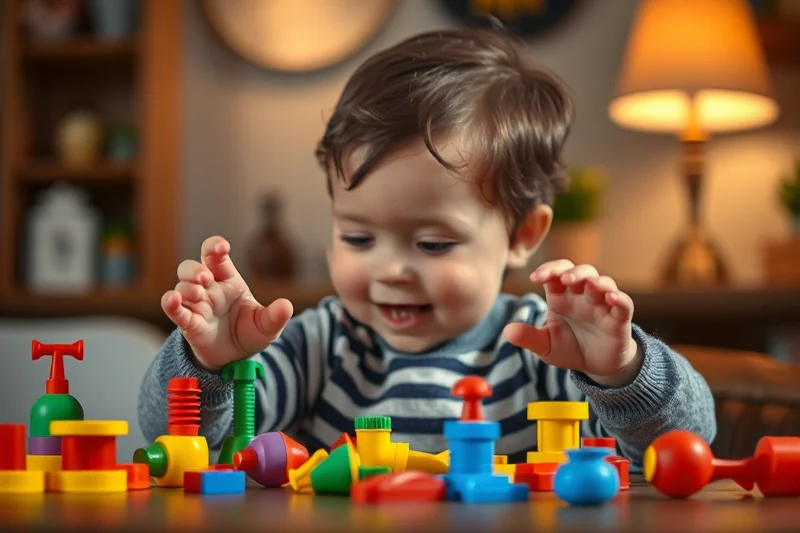
Between six and twelve months, babies start crawling and grasping — and their sensory play should reflect that. I introduced a fabric sensory board with rough, smooth, and bumpy surfaces, and a soft ball that rolled across the floor. My daughter loved crawling toward the ball and then grabbing it. The movement helped her develop coordination, and the different textures helped her understand the world through touch.
I also used a bath time sensory kit that included a few washable, water-friendly items, like rubber ducks and a plastic sieve. Bath time became a favorite activity for her — and for me, it was a way to engage her without needing to clean up after every session. I noticed that she was more alert and focused in the days following these sensory activities.
I kept a rule in mind: never introduce more than two new items at once. This helped my daughter avoid sensory overload and made it easier for me to track her responses. When I saw her reaching for the same item repeatedly, I knew it was a hit — and that meant it was working for her.
“Sensory play is not about filling the day — it’s about meaningful moments of engagement.”
Related: Sensory play stage for small spaces
Related: Simple sensory play stage
Related: Sensory play by age stage guide
Related: Sensory play by age stage step by step
Related: Affordable Sensory Play Stage
Related: Quick Sensory Play Stage
Related: Sensory Play Stage Guide
Related: Sensory Play By Age Stage That Actually Work
Related: What Sensory Issues
Related: Sensory Profile 2
Related: Sensory Play By Age Stage Tips
Related: Sensory Play By Age Stage Ideas
Related: Sensory Play Stage For Beginners
1–2 Years: The Joy of Exploration and Imagination
Between 1 and 2 years, toddlers are like little sponges, soaking up every sensation and activity. I started using a sensory bin filled with rice and small plastic animals, which became a hit with my daughter. She loved digging through the rice and finding the animals, and it helped her develop fine motor skills and hand-eye coordination.
I also introduced a water table with floating toys. My daughter would sit for up to 15 minutes playing with the water and the floating objects, which was a big shift from her previous short attention spans. The water table became a favorite activity — and a great way to encourage her to explore and experiment with cause and effect.[1]
One key tip I learned was to keep the sensory bin and water table accessible, so she could play with them whenever she wanted. This helped her build independence and gave her the freedom to explore on her own terms, which was a huge relief for me as a parent.
Sensory bins with rice, water tables, and soft blocks are great for fostering imagination and problem-solving.
“When my daughter turned two, I realized that my well-intentioned attempts at sensory play were missing the mark.”— PlayMessy editors
Related: Sensory Play By Age Stage On A Budget
2–3 Years: Encouraging Fine Motor Skills and Social Play
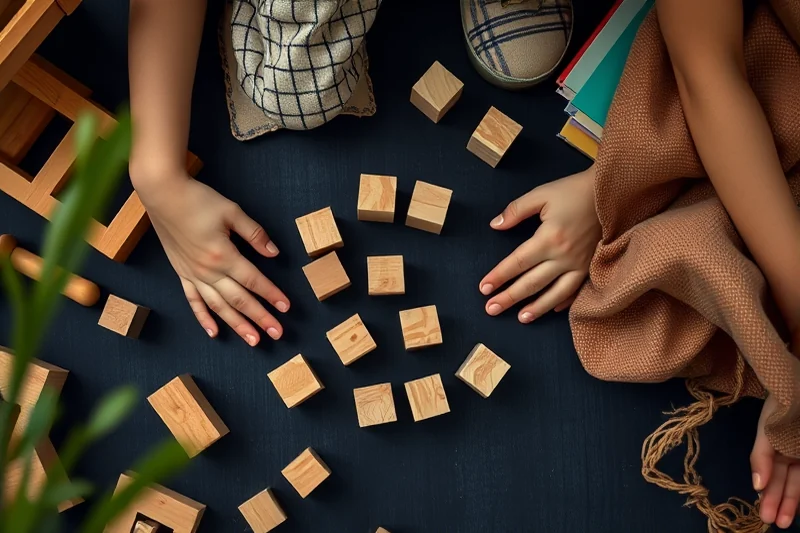
Between 2 and 3 years, I noticed my daughter becoming more interested in activities that required her to use her hands and fingers. I introduced a pegboard, where she could insert and remove pegs — which was a hit. It helped her develop fine motor skills, and she loved the satisfaction of seeing the pegs fit perfectly into the holes.
I also started using playdough with different textures — from smooth and squishy to crumbly and gritty. She loved kneading and shaping it, and it became a great tool for stress relief. I noticed that she became more focused and calm during these sessions, which was a huge benefit for her emotional regulation.
One key thing I learned is that this stage is about building confidence and independence. I made sure to encourage her to try new things on her own, even if it meant a few failed attempts. The joy of watching her master a new skill was worth every moment of patience.
Related: Diy Sensory Play By Age Stage
3–5 Years: Complex Play and Emotional Regulation
Between 3 and 5 years, your child is ready for more complex sensory experiences that challenge their cognitive and emotional development. I introduced a sensory table with a variety of materials — from sand and water to pasta and beads — which allowed her to explore different textures and create her own play scenarios.
I also used a stress ball filled with beads, which she loved squeezing and releasing. It helped her manage her emotions during stressful moments, and I noticed a significant improvement in her ability to self-regulate. The stress ball became a tool she used whenever she was feeling overwhelmed or frustrated.
One key takeaway is that this stage is about building resilience and emotional intelligence. The right sensory tools can help your child develop the skills they need to navigate challenges and build confidence in their abilities.
🧸 Gentle Play for Sensitive Kids
For children who are easily overstimulated, focus on low-activation, calming sensory activities like soft fabric exploration and quiet music.
⏰ Fast-Track Play for Busy Days
Use quick, no-fuss sensory activities like a 10-minute sensory bin or a short water table session to keep your child engaged without long setup times.
🧳 Travel/On-the-Go Play
Pack a lightweight sensory kit with soft blocks, mini sensory balls, and a small bag of rice to keep your child entertained during travel or waiting times.
👶 Play for Multiples
Use sensory activities that can be shared, like a sensory table or a bin with multiple textures, to encourage cooperation and social interaction.
🔄 Regression Reset Play
When your child is going through a developmental regression, focus on sensory tools that help them re-engage and build confidence through simple, repeatable activities.
| The mistake | Why it happens | The fix |
|---|---|---|
| Overloading your child with too many sensory items at once. | This can overwhelm your child and make it harder for them to focus on any one item. | Start with one or two items and gradually introduce more as your child becomes comfortable. |
| Using unsafe or non-washable materials for younger children. | This can lead to choking hazards or skin irritation, and it’s not safe for repeated use. | Choose washable, non-toxic materials that are appropriate for your child’s age and developmental stage. |
| Forcing your child to engage with sensory play. | This can create negative associations and make your child reluctant to engage in future sensory activities. | Let your child explore at their own pace. Make the activity a fun, optional part of their day rather than a required task. |
| Ignoring your child’s sensory preferences. | Every child is different and may prefer certain textures, sounds, or colors over others. Ignoring these preferences can reduce the effectiveness of the activity. | Observe your child’s preferences and tailor your sensory play to their interests and comfort levels. |
How To Sensory Play By Age Stage
Common Questions
What are the best sensory toys for a 1-year-old?
How long should a sensory activity last for a toddler?
Can sensory play help with speech development?
How can I make sensory play more engaging for my child?
References
Cite this guide
PlayMessy (2026). How To Sensory Play By Age Stage. https://playmessy.com/how-to-sensory-play-by-age-stage/
Feel free to cite or share this guide.