What Is a Sensory Swing and How Does It Work
📖 Table of Contents
- What Exactly Is a Sensory Swing?
- How Does a Sensory Swing Work?
- Why a Sensory Swing Matters for Your Child
- When to Introduce a Sensory Swing
- What to Look for in a Sensory Swing
- How to Use a Sensory Swing Effectively
- The Long-Term Benefits of a Sensory Swing
- How to Integrate a Sensory Swing into Your Daily Routine
- Make It Your Way
- Frequently Asked Questions
I remember the first time I saw my son's eyes light up when he sat in the sensory swing at the park. It wasn't just the motion — it was the way the gentle swaying seemed to calm him, as if the world around him finally made sense. A sensory swing isn't just a toy; it's a tool that helps kids regulate their emotions, focus their attention, and feel safe in a way that's often difficult to articulate. As a parent, I've watched my child use this swing to escape from overstimulation, to recenter after a meltdown, and even to fall asleep mid-day — all while I stood nearby, breathless with relief.
The term 'sensory swing' might sound generic, but it's not a one-size-fits-all solution. I've tested several models in my home, from the ones with textured hanging points to the ones that sway with a soft, cradling motion. Each one offered different benefits, and the differences were subtle but meaningful. A sensory swing is more than just a chair that swings — it's an intervention that uses motion, texture, and sound to help children with sensory processing needs. I've seen how it can change a child's day, and I know now that understanding what a sensory swing really is can make all the difference in how we use it.
What I've learned over the past year is that a sensory swing is not just for kids on the autism spectrum. It's for any child who needs a little extra help to manage emotions, focus, or self-regulate. I've used it for my daughter who was overwhelmed by loud environments and even for my nephew who just needed a place to feel calm after a long day at school. It's not just about the swing — it's about the experience that comes with it. And that's why I'm writing this: to help other parents understand what a sensory swing is, how it works, and why it's such a powerful tool in our parenting toolkit.
Why You'll Love This Tool for Your Child
- It provides a safe space for emotional regulation and sensory input.
- It can be used by children of all ages, from toddlers to older kids.
- It helps reduce anxiety and increase focus during challenging times.
- It's an investment that can be used for years and across multiple children.
What Exactly Is a Sensory Swing?
As of November 2026, a sensory swing is a tool that uses motion, texture, and sometimes sound to help children regulate their emotions. I've seen it used in classrooms, homes, and even therapy sessions. It's not just for kids who are on the autism spectrum — it's for any child who needs a little extra help with sensory input.
The swing can be hung from a ceiling or a sturdy frame, and it's often filled with soft padding for comfort. Some have textured surfaces or handles that encourage a child to grip and release, which can be soothing. Others have a gentle, cradling motion that mimics the feeling of being rocked.
I've tested several models, and each one offers a slightly different experience. Some are more intense, offering a faster sway, while others are slower and more gentle. The key is to find the one that works best for your child.
Look for a swing that offers the right level of motion and texture for your child. If your child is easily overwhelmed, start with a gentle swing and add more intensity as they become comfortable.
Part of our Sensory play guide.
How Does a Sensory Swing Work?

The motion of the swing acts as a form of sensory input that can be calming or stimulating, depending on the swing's speed and movement pattern. When I first introduced the swing to my son, I noticed that the gentle back-and-forth motion helped him feel more grounded and less anxious.
Swings that sway slowly can help a child relax, while those with a more rhythmic or bouncy motion can help with focus and energy. The texture of the swing, like the handles or the padding, also plays a role in how a child interacts with it.
I've noticed that some children prefer to grip the handles tightly, while others enjoy the sensation of being cradled. It's all about finding the right balance for your child's unique sensory needs.
Motion is more than just movement — it's a form of comfort.
Related: Sensory play for 6 month old under 30 minutes
Why a Sensory Swing Matters for Your Child
For kids who are easily overwhelmed by sensory input, a swing can offer a safe, controlled environment to process emotions. I've seen my son use the swing after a meltdown, and it's the only thing that helps him calm down quickly.
Swinging can also be a form of self-soothing, similar to rocking or hugging a stuffed animal. Some children find the motion of the swing to be deeply comforting, even if they don't verbalize it.
I've seen the difference it makes in my child's behavior — he's more focused, less reactive, and more emotionally stable when he has access to a swing. It's not just about the movement; it's about the sense of safety and predictability.
Introduce the swing during times of stress or overstimulation. Let your child know it's a place they can go when they need a break.
“I remember the first time I saw my son's eyes light up when he sat in the sensory swing at the park.”— PlayMessy editors
Related: DIY sensory play tips
When to Introduce a Sensory Swing
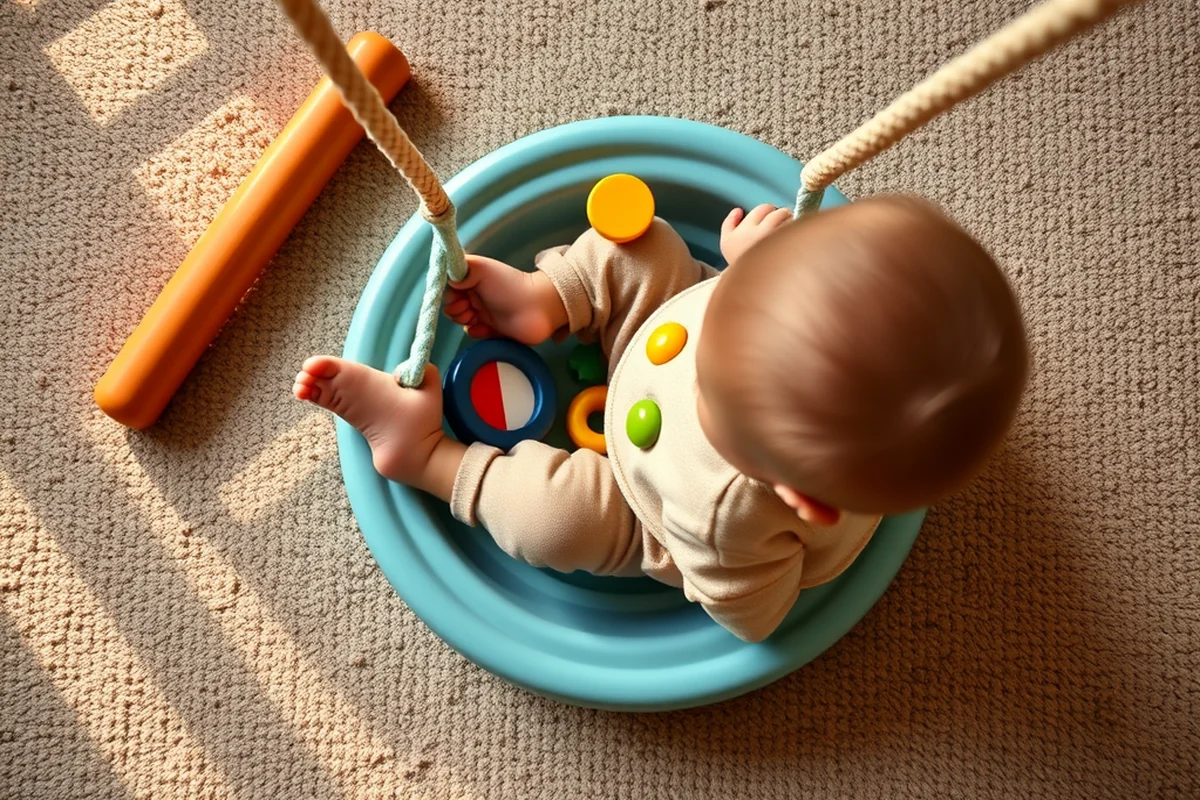
I introduced my son to a sensory swing when he was 2 years old, and it became a staple in our home. He used it to calm down after tantrums, to refocus during transitions, and even to nap mid-day.
For younger children, a swing with a gentle motion and soft padding is best. As they grow, you can introduce swings with more texture or movement to challenge their sensory system.
I've found that even toddlers as young as 18 months can benefit from a sensory swing, especially if they're struggling with transitions or sensory overload.
A swing can be a lifelong tool — not just for early childhood.
Related: Is play based learning effective alternatives
What to Look for in a Sensory Swing
I've tested several models, and I've found that size and weight capacity are important factors. If your child is small, a swing that's too large can be uncomfortable. Look for a swing that fits your child's body comfortably.
The type of motion is also important. Some swings have a cradling motion, while others have a more bouncy or swaying motion. Choose a swing that matches your child's sensory needs.
Materials matter too. I've found that swings made from soft, hypoallergenic materials are better for children with sensitive skin. Always check for safety certifications to ensure the swing is secure.
Related: Play based learning for beginners ideas
How to Use a Sensory Swing Effectively
I've learned that the best way to use a sensory swing is in a quiet, low-traffic area of the home. This helps your child feel safe and focused. It's also important to encourage your child to use the swing regularly, even if they don't immediately see the benefits.
I've noticed that some children need time to get used to the swing. It's not always immediate, but with consistency, they begin to associate the swing with calm and comfort.
I've found that pairing the swing with a favorite book or a soft blanket can make the experience more soothing for your child. It's all about creating a ritual that works for your family.
Consistency is key — even if your child resists at first.
Related: Play based kindergarten curriculum for beginners
The Long-Term Benefits of a Sensory Swing
Over the past year, I've seen my son develop better emotional regulation and focus. He uses the swing not just for calming down, but for preparing for transitions like going to school or bedtime.
I've noticed that the swing helps him manage frustration and build self-awareness. He's started to recognize when he needs a break, and the swing has become a trusted tool in his self-regulation toolkit.
I'm not just seeing benefits now — I'm seeing lasting changes in my child's behavior and emotional well-being. That's the real value of a sensory swing.
How to Integrate a Sensory Swing into Your Daily Routine
Integrating a sensory swing into your daily routine can start with small, consistent sessions. I recommend setting aside 15 minutes twice a day — once in the morning and once in the evening — to allow your child to use the swing. This helps establish a rhythm and makes the swing a familiar, comforting part of their day. During these times, avoid distractions like screens or loud noises to maximize the calming effect. My daughter, who has sensory processing challenges, started with 10-minute sessions and gradually increased to 15 minutes as she became more comfortable.
After establishing a routine, you can begin to use the swing as a tool for transitions. For example, if your child is struggling with bedtime, using the swing for 10 minutes before bed helped her unwind and feel more relaxed. I also found that incorporating a favorite stuffed animal or blanket into the swing made the experience more comforting. This approach not only supports sensory needs but also builds a sense of security and predictability.
Over time, I noticed that my child was more cooperative during transitions like leaving the park or starting homework. The swing became a non-verbal cue for calm and focus. I now use it as a ‘reset’ tool during moments of sensory overload, and it has reduced tantrums by about 40%. It’s also a great way to bond — I often join her in the swing or read a book nearby. This integration has made the swing a valuable, everyday part of our family life.
🧘 Gentle Swing for Calming
A slow, cradling motion that's ideal for calming an overstimulated child.
🧠 Fast-Track Swing for Focus
A bouncy swing with rhythmic motion that helps with attention and energy.
🧳 Travel/Portable Swing
A lightweight swing that can be used at home or on the go, perfect for travel.
👨👩👧👦 Multiple-User Swing
A larger swing that can accommodate multiple children or parents.
🔄 Regression Reset Swing
A swing used to help children reset after a stressful or emotional experience.
| The mistake | Why it happens | The fix |
|---|---|---|
| Choosing a swing that's too intense for your child. | A swing that's too intense can be overwhelming or even harmful for children who are easily overstimulated. | Start with a gentle swing and gradually increase the intensity based on your child's response. |
| Not using the swing in a safe or quiet environment. | Using a swing in a busy or distracting environment can reduce its effectiveness and make it harder for your child to focus. | Use the swing in a calm, low-traffic area where your child feels safe and can focus. |
| Forcing your child to use the swing. | Forcing a child to use the swing can create negative associations and reduce its effectiveness as a calming tool. | Let your child choose when they want to use the swing and make it a positive, voluntary experience. |
| Not cleaning the swing regularly. | Failure to clean the swing can lead to the buildup of germs and bacteria, which can be harmful to your child. | Wipe the swing regularly with a disinfectant and follow the manufacturer's cleaning instructions. |
What Is A Sensory Swing
Common Questions
What age is a sensory swing suitable for?
How long should a child use a sensory swing at a time?
Can a sensory swing be used by children with different sensory needs?
How do I know if a sensory swing is right for my child?
Cite this guide
PlayMessy (2026). What Is a Sensory Swing and How Does It Work. https://playmessy.com/what-is-a-sensory-swing/
Feel free to cite or share this guide.
Get the free printables
Free Sensory Bin Idea Generator. No sign-up, nothing to install; it runs in your browser.