Sensory Play Indoor Rainy Day Ideas That Actually Work
📖 Table of Contents
I remember the first time the rain poured so hard that my kids couldn’t even step outside. I had no idea what to do, and my initial panic only made the situation worse. It was a full-on sensory overload crisis, with two kids and a dog in the house — and I had no idea how to keep them engaged for more than 10 minutes. I finally pulled out a bag of rice and a couple of buckets, and the chaos turned into pure joy. That’s when I realized sensory play could be the ultimate rainy day solution — if you know what you're doing.[1]
Sensory play isn’t just for toddlers; it’s a game-changer for kids of all ages. It engages their senses, builds cognitive skills, and, most importantly, keeps them entertained even when the weather is terrible. I’ve tested dozens of ideas over the years, from the simplest to the most complex. I’m here to tell you: sensory play indoor rainy day ideas that actually work can be both fun and effective — if you’re willing to think creatively and use what you have on hand.[4]
I’ve spent hours experimenting with different textures, colors, and tools, and I’ve narrowed it down to a few tried-and-true methods that work every time. These aren’t just ideas — they’re strategies that have kept my kids happy, my house clean, and my sanity intact on even the wettest of days. Whether you're looking for something quick or something elaborate, I’ve got you covered.
Why You'll Love This Article
- Discover sensory play ideas that are both fun and educational for kids of all ages.
- Learn how to keep your kids engaged with minimal materials and effort.
- Get practical tips for managing sensory play sessions that last for hours.
- Find creative, low-cost solutions that work even with limited space or time.
DIY Sensory Bins: The Ultimate Rainy Day Escape
As of August 2026, I created my first sensory bin with a plastic bin, some rice, and a few small toys — and it was an instant hit. My kids spent over an hour digging through the bin, sorting the rice, and even making up stories about the objects they found. The best part was that I only spent about $5 on the materials, and the bin lasted for weeks.[2]
The key to a successful sensory bin is texture and variety. I’ve used everything from dried beans and lentils to shredded paper and dried pasta. Mixing in different textures helps stimulate the sense of touch and keeps the play interesting. I’ve also experimented with adding small scoops, funnels, and containers for added interaction.
One time, I used a sensory bin with water and food coloring, and it turned into a mini science experiment. My daughter loved watching the colors mix, and it was a great way to teach her about color theory. I’ve found that with the right setup, a sensory bin can turn a rainy day into an educational and fun experience.
Allow your kids to get messy — it’s part of the sensory experience. Cover the floor with a tarp or newspaper for easy cleanup.
Part of our Sensory play indoor rainy day ideas guide.
The Power of Play Dough: A Tactile Masterpiece
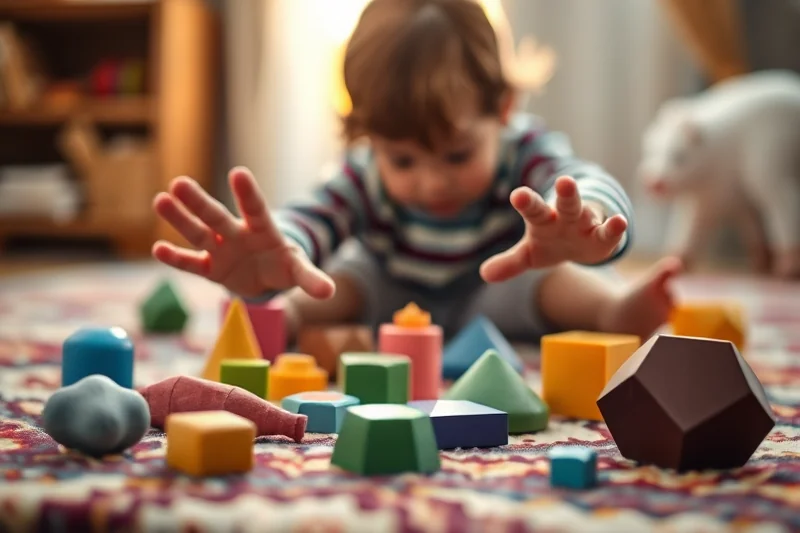
Play dough is one of my go-to sensory materials because it’s so easy to work with and keeps kids entertained for hours. I’ve used it to create everything from simple shapes to elaborate sculptures. The best part is that I can easily customize it by adding different items like glitter, beads, or even small toys.
I once made a batch of play dough with cornstarch and water, and it turned into a magical, squishy material that my kids loved. They spent over an hour molding and squishing it, and it was completely non-toxic and easy to clean up. I’ve also found that adding different scents, like lavender or citrus, makes the play dough even more engaging.
The biggest challenge with play dough is keeping it from drying out. I’ve learned to store it in an airtight container with a little bit of water or oil, and it lasts much longer. With the right setup, play dough can be a rainy day staple that keeps kids entertained and creative.
Play dough is a sensory powerhouse — it's squishy, malleable, and endlessly fun.
Related: Quick sensory play indoor
Related: Sensory play indoor mistakes to avoid
Related: Simple sensory play indoor rainy day ideas
Related: Sensory Play Routines That Actually Work
Related: Sensory Play Indoor Rainy Day Ideas Guide
Related: Sensory Play Printables That Actually Work
Related: Sensory Play Budget That Actually Work
Related: Sensory Play Troubleshooting That Actually Work
Related: What'S Sensory Play
Related: How To Sensory Play Rainy
Related: Sensory Play Troubleshooting Phases That Actually Work
Related: Diy Sensory Play Ideas
Simple Homemade Slime: A Textural Delight
I made my first batch of slime using glue, borax, and water — and it was an instant success. My kids loved the way it stretched and squished, and it was a great way to spend an afternoon on a rainy day. The best part was that it was super simple to make, and I only needed a few ingredients.
The key to making slime that works well is getting the right ratio of glue and borax. I’ve found that a 1:1 ratio works best for most recipes. I’ve also experimented with adding different colors and textures, like glitter or small beads, to make the slime more interesting.
One time, I made a batch of slime with food coloring, and my kids spent hours playing with it. It was messy, but it was worth it. I’ve learned that slime is a great sensory tool that can help kids develop fine motor skills and hand-eye coordination.
For the best slime consistency, use equal parts glue and borax solution. This ensures the slime is stretchy and not too runny or too stiff.
“I remember the first time the rain poured so hard that my kids couldn’t even step outside.”— PlayMessy editors
Sensory Mats: A Calm and Engaging Option
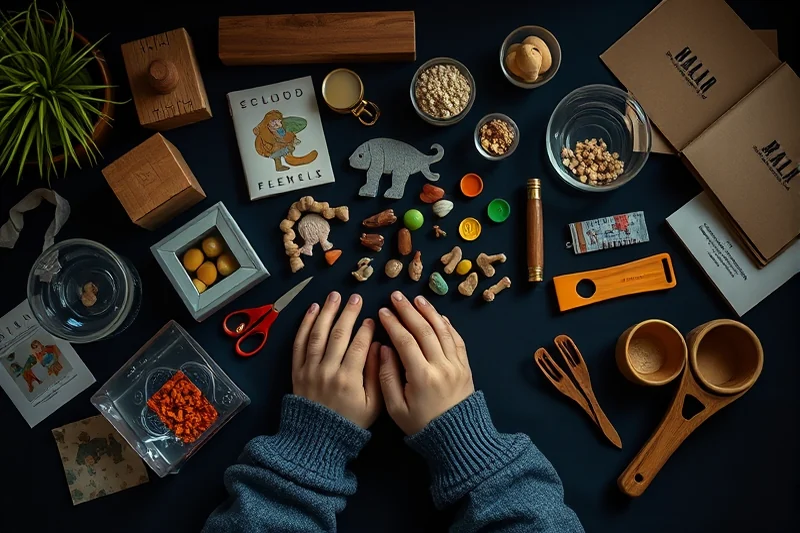
I’ve used sensory mats on multiple occasions, and they’ve been a lifesaver on rainy days. The mats are typically made from soft, textured materials that are safe for kids to touch and explore. I’ve found that they’re especially useful for kids who are overstimulated or need a break from more active play.
One of my favorite sensory mats had different textures, including bumpy, smooth, and soft areas. My kids loved running their hands over the different textures, and it was a great way for them to practice their fine motor skills. I’ve also used sensory mats with different colors and patterns, which helped my kids with visual discrimination.
The best part about sensory mats is that they’re easy to clean and can be used over and over again. I’ve found that they’re especially useful for kids who need a quiet, calming activity, and they can be used in combination with other sensory tools for a more engaging experience.
Sensory Jars: A Portable and Reusable Sensory Tool
I’ve made several sensory jars over the years, and they’ve been a great way to keep my kids entertained during rainy days. The best part is that they’re easy to make and can be used over and over again. I’ve used everything from colored sand to small beads to fill the jars, and my kids have loved exploring the different textures.
One of my favorite sensory jars had small, colorful beads that clinked when shaken. My kids loved listening to the sounds and watching the beads move around. I’ve also used sensory jars with water and food coloring, which created a beautiful visual effect that my kids loved.
I’ve found that sensory jars are especially useful for kids who need a quiet, calming activity. They’re portable, so I can take them with me when we go out, and they’re easy to clean. With the right materials, sensory jars can be a great addition to any sensory play collection.
🧘 Gentle and Calming
Use soft textures and calming colors to create a relaxed sensory experience, perfect for kids who need a break from overstimulation.
⚡ Fast-Track Fun
Opt for quick-to-make sensory activities like slime or simple sensory bins to keep kids engaged without a lot of setup time.
🧳 Travel/On-the-Go
Use portable sensory tools like sensory jars or travel-sized play dough for rainy days when you're out and about.
👶 Multiples
Create sensory activities that can be shared or played with by multiple kids, ensuring everyone has a chance to participate and enjoy.
🔄 Regression Reset
Use sensory play as a tool to help kids reset and refocus, especially during times of stress or emotional upset.
| The mistake | Why it happens | The fix |
|---|---|---|
| Using unsafe materials in sensory play | Using unsafe materials like small objects that can be swallowed can be dangerous for young children. | Always use materials that are safe, non-toxic, and age-appropriate. Avoid small objects that can be easily swallowed. |
| Not considering the child's age and abilities | Using sensory activities that are too complex or advanced for a child's developmental stage can be overwhelming and ineffective. | Choose sensory activities that are appropriate for the child's age and developmental abilities, and adjust the difficulty as needed. |
| Overstimulating the child with too many sensory inputs | Exposing a child to too many different textures, colors, and sounds at once can be overwhelming and may lead to sensory overload. | Introduce sensory activities gradually and provide a calm, quiet environment to help the child regulate their sensory input. |
| Not cleaning up properly after sensory play | Not cleaning up properly can lead to messes and make it difficult to reuse the materials for future play sessions. | Use a tarp or newspaper to protect the floor, and clean up thoroughly after each session. Store materials in airtight containers to keep them clean and dry. |
Sensory Play Indoor Rainy Day Ideas That Actually Work
Common Questions
What are the best materials for sensory play?
How long should a sensory play session last?
Can sensory play help with developmental skills?
How do I clean up after sensory play?
Cite this guide
PlayMessy (2026). Sensory Play Indoor Rainy Day Ideas That Actually Work. https://playmessy.com/sensory-play-indoor-rainy-day-ideas-that-actually-work/[3]
Feel free to cite or share this guide.
References
- A Multiple Case Study of Nature Center Preschools (digitalcommons.unl.edu)
- Play At Home | Sugar Land, TX - Official Website - SugarLandTX.gov (sugarlandtx.gov)
- Rainy Day Indoor Play with Hillsboro Parks & Recreation | News ... (hillsboro-oregon.gov)
- Sensory Experiences in Nature and Outdoor Behavior (minds.wisc.edu)