Play Based Kindergarten Curriculum On A Budget
📖 Table of Contents
- What is Play-Based Learning, and Why Does It Work?
- How to Build a Play-Based Curriculum Without Spending a Fortune
- The Power of Open-Ended Materials in Play-Based Learning
- Incorporating Nature into Your Play-Based Curriculum
- Making the Most of Limited Space and Time
- Make It Your Way
- Frequently Asked Questions
- The Printable Activity Plan
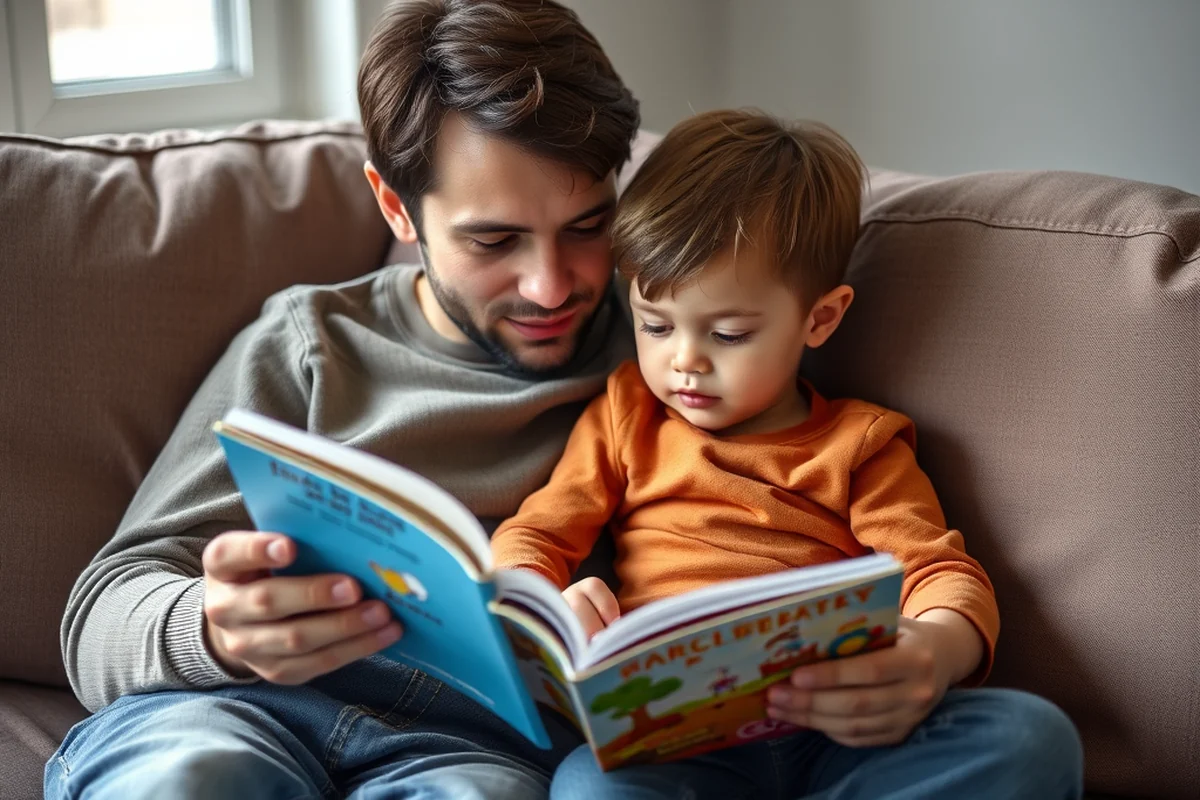
I remember the first time my son came home from his play-based kindergarten class, his hands still smudged with paint and his eyes alight with curiosity. He had spent the day engaged in open-ended exploration, building with blocks, pretending to be a chef, and even learning to count through a game of hide-and-seek. I was stunned by how much learning had happened without a single worksheet in sight. But as a parent on a budget, I worried about how to replicate that kind of rich, sensory-driven learning at home. That's when I started digging into the world of play-based kindergarten curricula, and what I found was both inspiring and unexpectedly affordable.[5]
Play-based learning is more than just fun—it’s a research-backed approach that fosters creativity, problem-solving, and social-emotional development. But the idea of creating a full curriculum on a budget can feel overwhelming, especially if you're not sure where to start. I spent weeks testing different methods, sourcing materials from thrift stores, garage sales, and even the corner store. What I learned was that you don't need a lot of money to create a meaningful play-based learning environment. In fact, many of the best ideas are free or can be made with just a few dollars and a lot of imagination.[1]
The key to a successful play-based kindergarten curriculum on a budget lies in prioritizing quality over quantity. It means choosing open-ended materials that can be used in multiple ways and creating an environment that encourages exploration and discovery. I've since built a curriculum that costs less than $50 a month and has transformed the way my son learns and plays. If you're ready to explore this approach, you're in the right place. Let me show you how to create a rich, engaging, and affordable play-based learning experience for your child.[2]
Why You'll Love This Play-Based Kindergarten Curriculum On A Budget
- It fosters creativity, problem-solving, and social-emotional development in a natural, engaging way.
- You can build a rich learning environment with minimal materials and low costs.
- It's adaptable to different learning styles and can be tailored to your child's interests.
- It encourages independent learning and builds confidence through exploration and discovery.
What is Play-Based Learning, and Why Does It Work?
As of August 2026, Play-based learning is a powerful way to teach young children because it allows them to explore, experiment, and make mistakes in a safe environment. Unlike traditional, structured lessons, play-based learning encourages children to take the lead, which increases engagement and motivation. According to a study by the University of Chicago, children who participate in play-based learning show greater creativity and problem-solving skills than those in traditional classrooms.[3]
The key to successful play-based learning is allowing children to direct their own play while providing them with the right tools and materials. For example, a simple box of blocks can be used to teach counting, geometry, and physics concepts, depending on how the child interacts with it. This flexibility makes play-based learning incredibly versatile and adaptable to different learning styles and interests.
I've seen firsthand how play-based learning can make a real difference. My son, who used to be shy and hesitant in group settings, now takes the lead in his play group. He's not only learning academic concepts but also gaining confidence and social skills through unstructured play. It's incredible to watch how much he's growing and developing without even realizing he's learning.
Instead of buying expensive educational toys, repurpose items you already have at home. For example, use empty containers for sorting and counting, and old magazines for cutting and gluing activities. This not only saves money but also helps your child develop a sense of resourcefulness.
Part of our Sensory play guide.
How to Build a Play-Based Curriculum Without Spending a Fortune
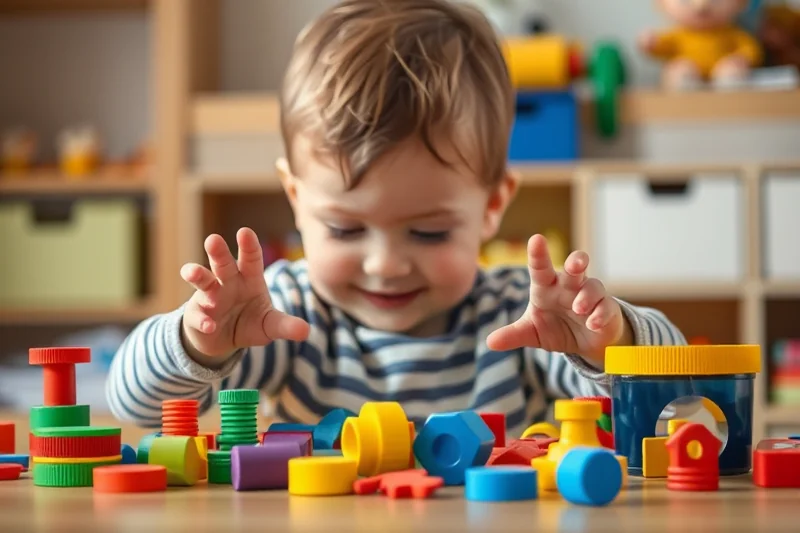
Building a play-based curriculum on a budget is all about being creative and resourceful. Start by identifying your child's interests and then find affordable materials that can be used in multiple ways. For example, if your child loves animals, you can use stuffed animals for storytelling, sorting, and counting activities.
I've found that many of the best materials for play-based learning can be found at thrift stores, garage sales, and even the dollar store. For instance, I bought a set of wooden blocks for just $2.50, and they've been used for building, counting, and even pretend play. These materials are often more durable and versatile than their expensive counterparts.[4]
Another way to save money is to make your own materials. I've created sensory bins using rice, beans, and small toys from around the house. These bins are not only fun but also provide sensory stimulation and learning opportunities. The best part is that they're reusable and can be easily cleaned.
Play-based learning is not about the cost—it's about the creativity and engagement it brings to your child's learning.
Related: Best is play based learning effective
Related: Play based learning for beginners comparison
Related: Sensory play for kids step by step
Related: Play based learning benefits checklist
Related: Diy sensory play tips
The Power of Open-Ended Materials in Play-Based Learning
Open-ended materials are items that can be used in multiple ways, such as blocks, play dough, and art supplies. These materials are particularly effective in play-based learning because they encourage children to think creatively and solve problems in their own way. For example, a single set of blocks can be used for building, counting, and even creating stories.
I've noticed that when my son has access to open-ended materials, he's more engaged and spends more time playing. He often comes up with new ways to use the materials that I hadn't even considered. This kind of spontaneous creativity is one of the most valuable aspects of play-based learning.
To maximize the benefits of open-ended materials, it's important to provide a variety of different materials that can be used together. For example, combining blocks with play dough allows children to build and mold in different ways. This variety helps keep the learning experience dynamic and engaging.
To keep your child interested, rotate the materials you use on a regular basis. For example, one week you might focus on building with blocks, and the next week you could explore storytelling with puppets and fabric. This variety helps maintain engagement and encourages continuous learning.
“I remember the first time my son came home from his play-based kindergarten class, his hands still smudged with paint and his eyes alight with…”— PlayMessy editors
Incorporating Nature into Your Play-Based Curriculum
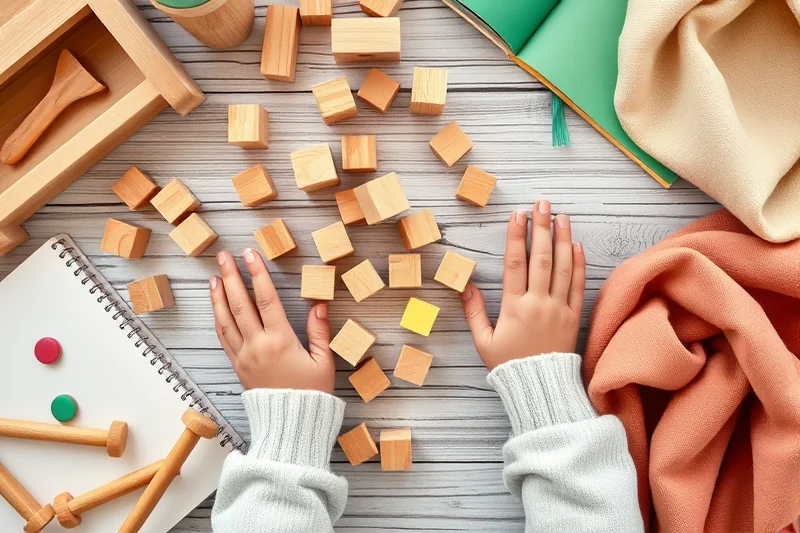
Incorporating nature into your play-based curriculum can provide a wealth of learning opportunities. From collecting leaves and stones to building forts with branches, nature offers endless possibilities for exploration and discovery. It's also a great way to teach your child about the environment and the natural world.
I've taken my son on regular nature walks, where we collect items to use in our play activities. For example, we've used fallen leaves for sorting and counting activities, and we've used pinecones and sticks to build forts and create stories. These activities not only teach academic skills but also help develop a love and respect for nature.
One of the best things about using nature as a learning tool is that it's completely free. Even if you don't have access to a large park or forest, you can find natural materials in your own backyard. A simple walk around your neighborhood can provide plenty of materials for play and learning.
Making the Most of Limited Space and Time
Creating a play-based learning environment doesn't require a lot of space or time. With a little planning and creativity, you can make the most of even the smallest areas. For example, you can set up a small play area in a corner of your living room or use your kitchen table as a learning space.
I've found that using vertical space is a great way to maximize limited space. I've hung shelves in my living room and filled them with books, art supplies, and small toys. This not only helps organize the space but also makes it easier for my son to access the materials he needs for play and learning.
With time, it's important to be flexible and follow your child's lead. Play-based learning doesn't have to be structured or scheduled—it can happen naturally throughout the day. For example, a simple game of hide-and-seek can be used to teach counting and spatial awareness, and a walk around the neighborhood can be used to teach about nature and the environment.
⭐ Classic
A simple sensory bin with rice and hidden toys, perfect for basic sensory play and exploration.
💰 Budget
A cost-effective version using household items like rice, peanut butter, and small toys from around the home.
⚡ Extra-Fast
A quicker version that skips the peanut butter and uses dry rice for a fast and easy sensory bin.
✨ Depth
An advanced version that adds more sensory elements, such as textures, scents, and sounds, for a more immersive experience.
🥗 Light
A lighter version that uses alternative materials like beans or dried pasta for a less messy sensory play experience.
| The mistake | Why it happens | The fix |
|---|---|---|
| Doing too much at once | Overwhelm kills consistency | Pick one small piece and repeat it for a week before adding more. |
| Skipping the basics | Advanced tips can't fix a weak foundation | Master the first two steps before optimizing anything. |
What You'll Need tap to check off
- 1 lb uncooked rice
- ½ cup peanut butter
- hidden toys
Method tap a step when done
- In a large mixing bowl, combine 1 pound of uncooked rice with ½ cup of peanut butter. Stir until the rice is evenly coated with the peanut butter.
- Once the rice is coated, add in the hidden toys. These can be small figurines, buttons, or even beads that can be found in your home or purchased from a dollar store.
- Place the rice and toys into a large container or bin. Make sure the bin is deep enough for your child to play with the rice without it spilling out.
- Allow the rice to sit for a few minutes to let the peanut butter absorb into the rice. This will make the rice more sticky and easier to play with.
- Once the rice is ready, let your child explore the bin. They can use their hands to dig through the rice and find the hidden toys, which helps develop their fine motor skills and sensory processing abilities.
- After playing, clean up the bin by removing the rice and hiding the toys. Make sure to store the rice in an airtight container to keep it fresh for future use.
Key Facts
Play Based Kindergarten Curriculum On A Budget
Common Questions
Can I use any type of rice for the sensory bin?
What if I don't have access to peanut butter?
Can I use other types of containers for the sensory bin?
What if my child is allergic to peanut butter?
References
- Assessment in play-based kindergarten classrooms: An empirical study of teacher perspectives and practices (academia.edu)
- PDF The Powerful Role of Play in Early Education (cde.ca.gov)
- Early Childhood Education Teachers' Experiences with Implementing Play ... (digitalcommons.liberty.edu)
- Play in Kindergarten - Minnesota (education.mn.gov)
- PDF PDG K Play-Based Learning flyers (002) (education.nh.gov)
Cite this guide
PlayMessy (2026). Play Based Kindergarten Curriculum On A Budget. https://playmessy.com/play-based-kindergarten-curriculum-on-a-budget/
Feel free to cite or share this guide.