Small Sensory Play Activities

📖 Table of Contents
I remember the first time I saw my daughter’s face light up as she played with a simple jar of kinetic sand. It was a quiet afternoon, and I had no idea that this small sensory play activity would become a cornerstone of our daily routine. I was surprised by how much joy something so simple could bring, and I quickly realized that these kinds of activities aren’t just fun—they’re foundational for development. Small sensory play activities can transform ordinary moments into opportunities for growth, connection, and discovery.[1]
As a parent, I've spent countless hours searching for ways to support my child’s sensory needs, and I’ve found that small sensory play activities are often the most effective. They don’t require massive time or resources, and they can be tailored to fit any space, any budget, and any child’s unique needs. Whether it's a container of rice with hidden objects, a sensory bin filled with beans, or a DIY slime kit, these activities offer a world of sensory exploration in a compact, manageable format.[2]
What’s more, small sensory play activities are incredibly versatile. They can be adapted for different ages, from infants exploring textures with soft cloth to older children engaging in more complex tasks like sorting or building. I’ve even used them as a calming tool during meltdowns, a way to engage my child during long car rides, and a means of fostering creativity during quiet afternoons. These activities are more than just entertainment—they’re a powerful tool for learning and emotional regulation.[3]
Why You'll Love This Approach to Sensory Play
- They require minimal materials and time.
- They can be easily adapted for different ages and needs.
- They are highly engaging and promote learning.
- They foster emotional regulation and creativity.
The Power of Texture and Tactile Exploration
As of August 2026, Texture-based sensory play can be as simple as filling a bin with dried beans, rice, or pasta and hiding small toys inside. My son loved digging through the bin to find hidden cars and blocks, which helped improve his hand-eye coordination and dexterity. The tactile experience of feeling different textures also supported his understanding of the world around him.[4]
I’ve found that using materials with varying textures—like smooth marbles, rough sandpaper, or soft foam—can help children explore and differentiate between sensations. This kind of play can be especially beneficial for children with sensory processing differences, as it allows them to become more comfortable with a range of textures.[5]
One of the most surprising benefits I’ve noticed is how these activities help children regulate their emotions. When my daughter was overwhelmed, she would go to her sensory bin and dig through the materials, which helped her calm down and refocus. It became a go-to tool for her emotional regulation.
Try using natural materials like dried leaves, pinecones, and smooth river stones for a low-cost, eco-friendly sensory experience. These items are not only affordable but also provide a wide range of tactile experiences.
Part of our Sensory play guide.
The Role of Color and Light in Sensory Play
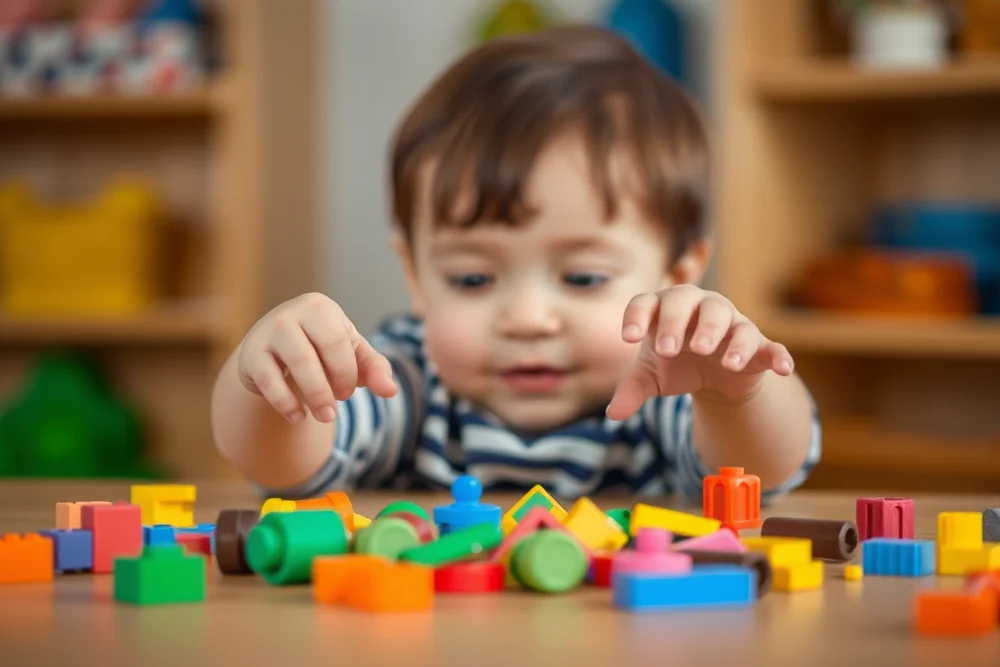
I once created a sensory bin using blue rice and clear water, and added some floating LED lights. The way the lights danced through the rice captured my daughter’s attention for hours. It was a simple idea, but the visual stimulation it provided was incredible.
Using colored sand, water beads, or even food coloring in water can transform a basic sensory bin into a visually rich experience. This is especially beneficial for children with visual processing challenges, as it helps them focus and engage with their environment.
I’ve also noticed that the addition of light can transform the mood of a room. During calm afternoons, the soft glow from these sensory bins created a peaceful, almost meditative atmosphere. It was a small but powerful tool for creating a soothing environment.
Color and light can turn a simple sensory bin into a vibrant, engaging experience for children.
Related: Sensory play activities for toddlers alternatives
Related: Play based learning ideas how to choose
Related: Sensory play activities comparison
Related: Sensory play for kids explained
Related: Play based learning list
The Magic of Sound and Music in Sensory Play
I’ve discovered that adding musical elements to sensory play can be a game-changer. One of my favorite activities was creating a sensory bin filled with small rubber balls and playing soft instrumental music. My son would roll the balls across the bin, and the sound they made was both calming and stimulating.
Using items like wind chimes, small bells, or even crumpled paper that makes a rustling sound when shaken can provide a unique auditory experience. These materials help children learn to distinguish between different sounds and can be especially helpful for children with auditory processing differences.
I’ve also found that music and rhythm can be a powerful way to encourage emotional expression. When my daughter was feeling frustrated, I would play her favorite lullaby and let her move the sensory materials in time with the music. It became a way for her to release her emotions in a safe and constructive way.
Try playing soft music or using a small speaker to add sound to your sensory bin. Music can help children focus, calm down, and express their emotions more clearly.
“I remember the first time I saw my daughter’s face light up as she played with a simple jar of kinetic sand.”— PlayMessy editors
Sensory Play as a Tool for Emotional Regulation
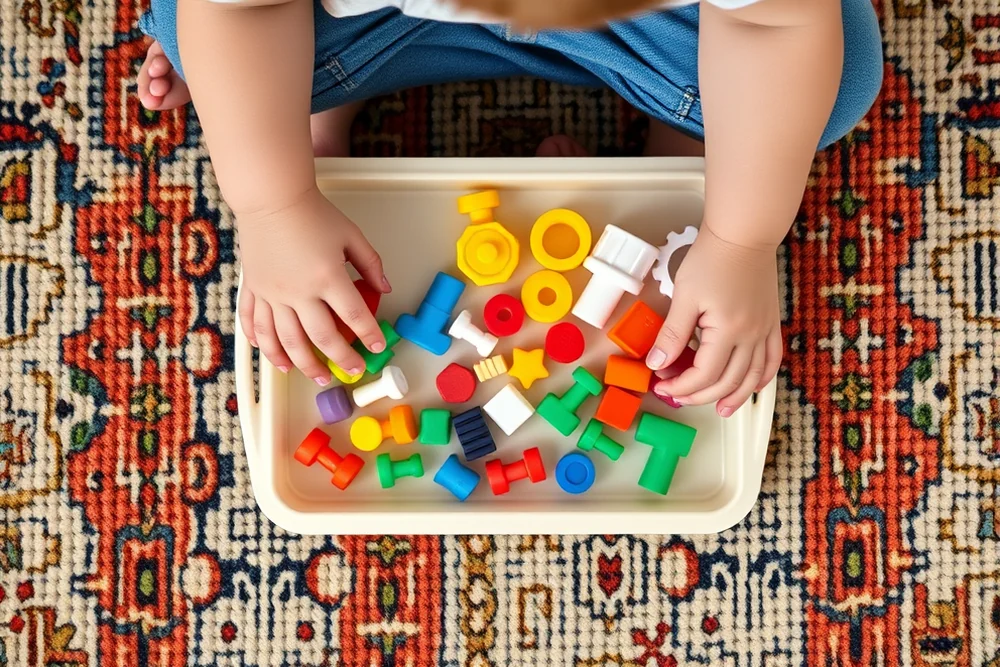
I’ve noticed that when my daughter is overwhelmed or anxious, she often turns to her sensory bins as a way to self-soothe. The repetitive motion of digging through the materials or sorting items by texture helps her calm down and regain focus.
Sensory play can also be used as a form of mindfulness for children. When my son is feeling anxious, I’ll guide him through a simple activity, like sorting the sensory materials by size or color. Helps him stay present and focused on the task at hand.
Over time, these activities have become a valuable part of our family’s routine. Whether it’s during a meltdown or before bedtime, a quick sensory play session helps my children regulate their emotions and prepare for the next part of their day.
Adapting Sensory Play for Different Ages and Needs
For infants, I’ve used soft cloths, textured fabrics, and baby-safe toys to help them explore the world around them. These simple materials allowed my daughter to develop her sensory processing skills at an early age.
For older children, I’ve created more complex sensory bins that involve sorting, matching, and building. These activities not only support their cognitive development but also encourage problem-solving and creativity.
I’ve also found that these activities can be adapted for children with different needs. Whether it’s using materials that are easier to handle for children with motor delays or incorporating calming colors and sounds for children with sensory sensitivities, small sensory play activities offer a wide range of possibilities.
⭐ Classic
The traditional version with white rice and basic food coloring.
💰 Budget
A low-cost option using everyday kitchen items and free materials.
⚡ Extra-Fast
A quick version that can be prepared in under 15 minutes.
✨ Depth
An advanced version with multiple textures and sensory materials.
🥗 Light
A lighter version with fewer calories and less sugar.
| The mistake | Why it happens | The fix |
|---|---|---|
| Using too much water when coloring the rice. | Excess water can cause the rice to become soggy and lose its texture, making it less effective for sensory play. | Use only enough water to cover the rice and let it sit for 20 minutes. Drain thoroughly and allow it to air dry completely. |
| Not letting the rice dry completely. | Wet rice can mold and become unsafe for sensory play, especially if stored in airtight containers. | Make sure the rice is fully dry before transferring it to the sensory bin. Allow it to air dry for at least 4-6 hours or overnight. |
| Using food coloring that is not child-safe. | Some food colorings may contain harmful ingredients that are not suitable for children’s sensory play activities. | Always use child-safe food coloring and avoid using any expired or non-food-grade dyes. |
| Forgetting to test the sensory bin before using it with children. | Testing the sensory bin ensures that the materials are safe and appropriate for the child’s age and developmental needs. | Before using the sensory bin with your child, test it to ensure that the materials are safe and that the child can handle them without difficulty. |
What You'll Need tap to check off
- 1 lb white rice
- ½ cup food coloring (any color)
- water (as needed)
Method tap a step when done
- In a large bowl, add the white rice and food coloring. Mix thoroughly to ensure even color distribution.
- Add enough water to cover the rice, and let it sit for at least 20 minutes. This will allow the rice to absorb the color.
- Drain the rice in a colander and let it air dry completely. This may take several hours or overnight.
- Once the rice is fully dried, transfer it to a large container or bin. Add any additional sensory materials like small toys, beads, or soft fabric for extra engagement.
- Store the sensory bin in a cool, dry place until ready to use. For best results, avoid direct sunlight to maintain the color vibrancy.
Key Facts
Small Sensory Play Activities
Common Questions
How do I store my sensory bin materials to keep them fresh?
Can I reuse the colored rice for multiple sensory play sessions?
What are some other materials I can add to a sensory bin?
How long does it take to make a sensory bin with colored rice?
References
- Significance of Sensory Activities among Toddlers for Sensory Skills ... (academia.edu)
- Spring and Summer Sensory Play Activities - Community Education (blogs.cornell.edu)
- Programs for Young Children | Burlington, NC - Official Website (burlingtonnc.gov)
- Supporting Children's Learning Through Play - Childcare.gov (childcare.gov)
- Brain-Building Through Play: Activities for Infants, Toddlers, and ... (developingchild.harvard.edu)
Cite this guide
PlayMessy (2026). Small Sensory Play Activities. https://playmessy.com/small-sensory-play-activities/
Feel free to cite or share this guide.