What Is Outdoor Play
📖 Table of Contents
I remember the first time my toddler wandered off in the park, her tiny hands clutching a stick as she ran toward the swings. I froze, heart racing, then realized she was just being a kid. That moment — chaotic, wild, and completely unscripted — was my first real understanding of what outdoor play is. It’s not about structured lessons or flashcards; it's about freedom, curiosity, and the kind of messy, loud, glorious fun that only happens outside. Outdoor play is where kids learn to climb, dig, and explore, all while growing stronger and more confident.
When I first started parenting, I was terrified of letting my child go anywhere that wasn’t under my direct supervision. I worried about sunburn, bugs, and the sheer unpredictability of being outside. But as I watched her run through puddles, dig in the dirt. Negotiate with her brother over who got to ride the swing first, I began to see the value in that unstructured time. Outdoor play became a cornerstone of our family life — not just for the physical benefits, but for the emotional and social growth it brought. It wasn’t just about staying busy; it was about learning who she was, and who she wanted to be.
I've since learned that outdoor play is more than just a way to keep kids occupied — it’s a fundamental part of their development. It’s where they build independence, practice problem-solving, and develop a deep connection with the natural world. I’ve watched my child go from a hesitant crawler to a fearless explorer, all through the simple act of playing outside. And it wasn’t just her — all the other kids in our neighborhood, the ones who ran through the sprinklers and made forts out of leaves, were learning something just as important: that the world is big. They are capable of navigating it.
Why You'll Love This Guide to Outdoor Play
- You’ll learn practical ways to incorporate outdoor play into your child’s daily life, even with a busy schedule.
- You’ll gain confidence in letting your child explore outside safely and independently.
- You’ll discover the profound developmental benefits of outdoor play, from motor skills to emotional growth.
- You’ll feel empowered to create a richer, more connected family life through shared outdoor time.
What Exactly Is Outdoor Play?
As of November 2026, Outdoor play doesn’t follow a schedule or have a defined goal. It’s the kind of play where children chase butterflies, build forts with sticks, or simply sit and watch the clouds. It’s messy, often loud, and sometimes even a little scary — but that’s exactly what makes it powerful. Unlike structured activities, outdoor play allows kids to move freely, explore at their own pace, and make their own decisions.
I’ve found that the best outdoor play happens when it’s unplanned. Whether it’s a spontaneous trip to the park after school or a family hike on the weekend, the magic lies in the unpredictability. My child once spent an entire afternoon building a ‘castle’ out of rocks, and I was there the whole time, just watching — not directing, not correcting, just observing. That’s when I saw her creativity, her persistence, and her ability to solve problems on her own.
Outdoor play is not just for kids — it’s for parents too. It’s a chance to unplug, breathe, and be present in the moment. I’ve learned that by simply allowing my child to play outside, I’m not only giving her the gift of freedom. I’m also giving myself the chance to be more present in her life.
You don’t need a sprawling backyard or a pristine park — a local playground, a nearby trail, or even your own neighborhood can be a playground for your child.
Part of our Sensory play indoor rainy day ideas guide.
The Hidden Benefits of Outdoor Play
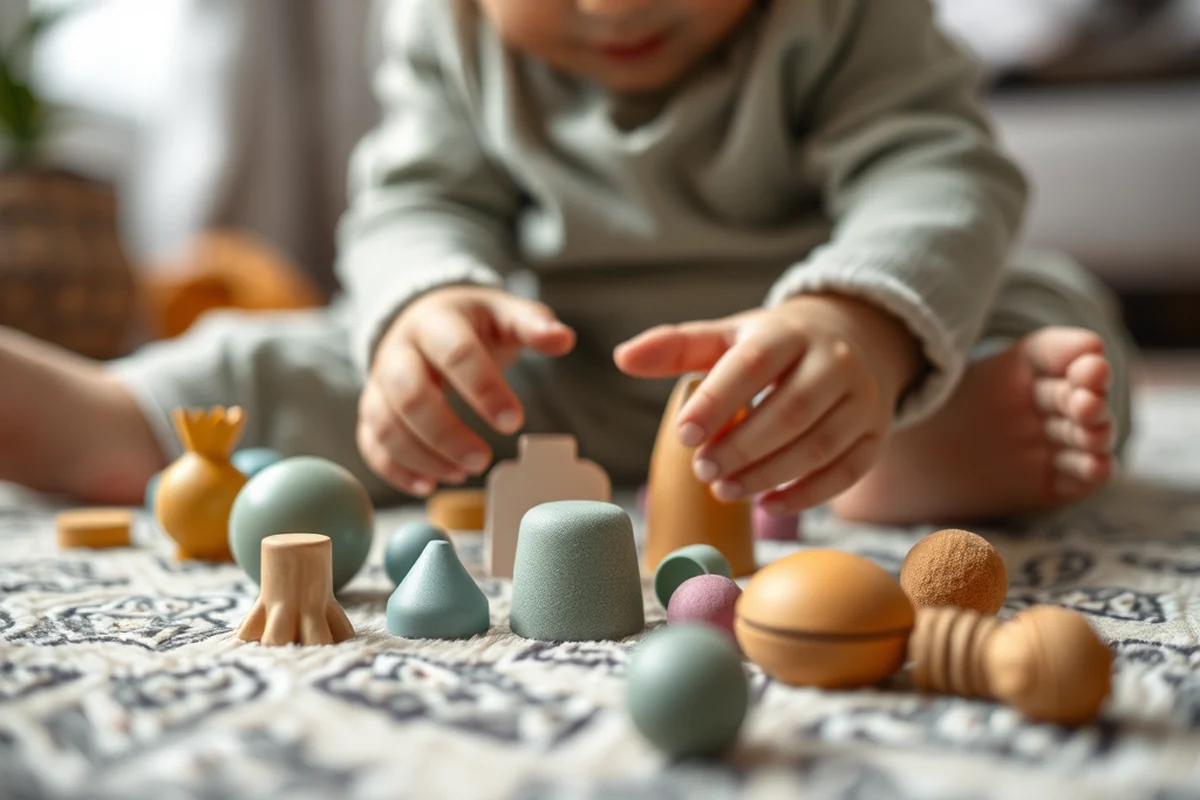
I used to think that outdoor play was just about getting kids outside to burn off energy. But over time, I’ve realized it’s so much more. It’s where kids learn to balance, to climb, to run — and to fall. It’s where they learn to share, to take turns, and to navigate conflict without a parent’s intervention. I’ve seen my child learn to resolve a disagreement with her brother over a toy — not by crying or yelling, but by finding a way to both play with it.
Studies have shown that children who spend more time outdoors are more physically active, have better motor skills, and are more likely to develop a lifelong love of nature. I’ve noticed a change in my child’s energy levels and mood — she’s more confident, more curious, and more engaged with the world around her. She’s also more resilient. When she falls, she gets up faster, and when she’s frustrated, she finds a way to solve the problem herself.
Outdoor play also gives kids a chance to connect with the natural world in a way that’s hard to replicate indoors. I’ve watched her sit on the grass for hours, just watching the ants march by, or listening to the birds chirp. It’s a kind of mindfulness that I never knew was so important — and it’s happening in the most natural, effortless way.
Nature is the best teacher — and the playground is where the lesson happens.
Related: Sensory play indoor on a budget
How to Get Started with Outdoor Play
If you’re like me, you might feel overwhelmed by the idea of making outdoor play a regular part of your life. But I’ve found that even a little bit of time outside can make a big difference. I started by setting a goal — just 20 minutes a day, three times a week. That’s not a lot, but it’s enough to get your child used to the idea of playing outside in a consistent way.
I’ve also learned that it’s important to be flexible. Some days, we go to the park for an hour; other days, we just sit on the front porch and watch the neighborhood kids play. The key is consistency, not perfection. I’ve found that when I make outdoor play a non-negotiable part of our day, my child starts to look forward to it — and so do I.
Another tip I’ve picked up is to make it a family activity. Even if it’s just my husband and I playing with our child, it’s a chance for us to bond and have fun. I’ve noticed that my child’s happiness increases when she sees her parents enjoying the time outside with her — it makes it feel like a shared experience, not just something she has to do.
Try to set aside a specific time each day for outdoor play — even if it’s just 10 minutes. Consistency helps kids build a habit and look forward to the activity.
“I remember the first time my toddler wandered off in the park, her tiny hands clutching a stick as she ran toward the swings.”— PlayMessy editors
Related: Sensory play indoor rainy day ideas on a budget
What You Need to Know About Safety in Outdoor Play
One of the biggest concerns I had when starting outdoor play was safety — especially with my toddler. I worried about her climbing too high, falling, or running into traffic. But over time, I’ve learned that with a few simple precautions, outdoor play can be just as safe as it is rewarding. I started by choosing parks that are kid-friendly, with soft surfaces and clear boundaries.
I’ve also learned the importance of being present — not just physically, but mentally. I make sure to stay within sight of my child at all times, even if she’s playing with friends. I’ve found that when I’m engaged and attentive, she feels safe and secure. I’ve also made it a point to teach her about safety rules — like staying on the playground and not running into the street.
Another thing I’ve learned is to be flexible with the rules. While it’s important to have boundaries, it’s also important to be open to changes. If my child wants to try a new activity, like climbing a tree, I’ll make sure it’s safe and then support her in doing it — even if it means letting her take a few steps back and try again.
Related: How to sensory play indoor rainy day ideas
The Impact of Outdoor Play on Brain Development
I used to think that brain development was something that only happened in classrooms — but I’ve now realized that outdoor play is one of the best ways to boost a child’s cognitive skills. When kids are playing outside, they’re constantly solving problems — whether it’s figuring out how to build a stronger fort or finding a way to get a ball over a fence.
I’ve watched my child develop her problem-solving skills through outdoor play. One day, she was trying to move a heavy log to build a wall for her ‘fort’ and couldn’t lift it by herself. Instead of giving up, she found a stick to use as a lever and got the job done. I was amazed at her persistence and ability to think creatively.
Outdoor play also helps with memory and attention span. I’ve noticed that my child is more focused and able to follow instructions after spending time outside. It’s not just about physical activity — it’s about mental stimulation, too. The natural world is full of surprises, and that keeps kids engaged and curious.
Related: Sensory play rainy checklist
How Outdoor Play Builds Emotional Resilience
I used to think that emotional resilience was something that came with age — but I’ve now learned that it can be nurtured through outdoor play. When kids are outside, they’re constantly dealing with challenges — like falling down, running into obstacles, or dealing with the unpredictable weather. These are the moments that build resilience.
One of the most powerful things about outdoor play is that it teaches kids how to cope with failure. I’ve seen my child try and fail to climb a tree, only to try again — and again — until she succeeded. That kind of persistence is something that doesn’t happen in a structured environment. It’s about trial and error, and learning from mistakes.
I’ve also noticed that my child is more emotionally aware and empathetic after spending time outdoors. She’s more patient with her brother, more willing to take turns, and more open to trying new things. That kind of emotional growth is something that stays with her — and that’s one of the most valuable gifts of outdoor play.
Failure is just part of the game — and the world is full of chances to get back up.
Related: Sensory play indoor examples
Why Outdoor Play Matters for Every Child
I’ve come to believe that outdoor play is one of the most important things we can give our children — no matter their age or ability. It’s not just for the little ones running around in the park; it’s also for the older kids who need a place to decompress, the shy kids who find confidence in the natural world. The kids with special needs who benefit from the sensory experiences outdoor play offers.
I’ve seen how outdoor play can help kids who are on the autism spectrum — it gives them a space to move freely, explore. Interact with the world without the pressure of social expectations. I’ve also seen how it helps kids with ADHD — it gives them a chance to burn off energy and focus in a way that’s much more natural than sitting still in a classroom.
Outdoor play is also something that can be adapted to any family, no matter their resources. You don’t need a lot of money or equipment — just a safe, open space and a willingness to let your child explore. That’s one of the most beautiful things about it — it’s accessible, inclusive, and essential.
🌿 Gentle Play
Perfect for parents who want to ease their child into outdoor play without overwhelming them. Start with short, calm activities like walking or sitting on the grass.
🏃♀️ Fast-Track Play
Ideal for busy parents who want to get outside quickly. Focus on high-energy activities like running, jumping, or playing on the playground.
🧳 Travel/away-from-home Play
Great for families on the go. Look for parks, beaches, or nature reserves near your destination and use them as a play area.
🌈 Play for All Abilities
Suited for families with children of all abilities. Choose spaces that are inclusive and allow for a wide range of play, from sensory activities to physical challenges.
| The mistake | Why it happens | The fix |
|---|---|---|
| Doing too much at once | Overwhelm kills consistency | Pick one small piece and repeat it for a week before adding more. |
| Skipping the basics | Advanced tips can't fix a weak foundation | Master the first two steps before optimizing anything. |
What Is Outdoor Play
Cite this guide
PlayMessy (2026). What Is Outdoor Play. https://playmessy.com/what-is-outdoor-play/
Feel free to cite or share this guide.
Get the free printables
Free Sensory Bin Idea Generator. No sign-up, nothing to install; it runs in your browser.