Sensory Play Activities Without Tools
📖 Table of Contents
- How to Make a Sensory Bin from Household Items
- The Surprising Benefits of Water Play with Just a Bucket and Sponge
- Creating a DIY Sensory Mat with Things You Already Have
- How to Use Everyday Items for Sensory Play in the Kitchen
- Using Fabric for Sensory Play and the Benefits for Your Child
- Make It Your Way
- Frequently Asked Questions
- The Printable Activity Plan
I remember the first time I noticed my toddler's fascination with the texture of a wet towel. It was a simple moment—no tools, no setup, just a damp cloth and her tiny hands. That's when I realized how powerful sensory play can be, even without anything but what's already in the house. I started experimenting with everyday items, from rice to cardboard, and quickly saw how it transformed the way my child interacted with the world. These moments aren't just fun—they're developmental milestones in disguise.[2]
Sensory play activities without tools are more than just a way to keep kids entertained; they're a cornerstone of early learning. In our home, we've built a whole world of exploration with items like sand, water, and even the back of a spoon. These activities don't require a trip to the store or a large investment. Instead, they use what we already have, making learning accessible and affordable. I've seen how these simple setups can calm a fussy baby or spark a curious mind.[3]
One of the joys of sensory play is how it can be tailored to any space, time, or budget. I've filled a baby's playpen with rice, turned a kitchen counter into a sensory station with flour and water, and even made an entire sensory bin from items I found at the thrift store. These activities are not only low-cost but also deeply engaging. I've watched my child's focus improve, her motor skills develop, and her emotional regulation grow through these unstructured, tool-free sessions. It's not just play—it's a foundation for learning that starts with nothing but the ordinary.[4]
Why You'll Love This Approach to Sensory Play
- No need to buy expensive tools or kits—everything you need is likely already in your home.
- Activities are easy to set up and clean up, making them perfect for busy parents.
- They're safe for young children and can be adapted to suit different developmental stages.
- They encourage creativity, motor skills, and cognitive development through exploration.
How to Make a Sensory Bin from Household Items
As of August 2026, I filled a large plastic bin with rice and dried beans to make a tactile bin for my toddler. The grains and seeds provided a variety of textures, and the bin itself became a safe, contained space for exploration. I didn't need any special tools—just a few bags from the pantry and a bin from the garage.[5]
The best part about this activity was how engaged my child became. She spent over 30 minutes digging through the bin, sorting the items, and even making little piles of different textures. It was a great way to help her develop fine motor skills without the need for any additional equipment.[1]
I've since made multiple variations of this bin, using items like pasta, small toys, and even fabric scraps. Each time, it's been a hit with my toddler. I've even noticed that she's begun using her words more as she describes what she's finding in the bin, which is a huge win for her language development.
A large plastic bin from the garage or a secondhand store is perfect for sensory bins. It's easy to clean and provides a contained space for your child to explore.
Part of our Sensory play guide.
The Surprising Benefits of Water Play with Just a Bucket and Sponge
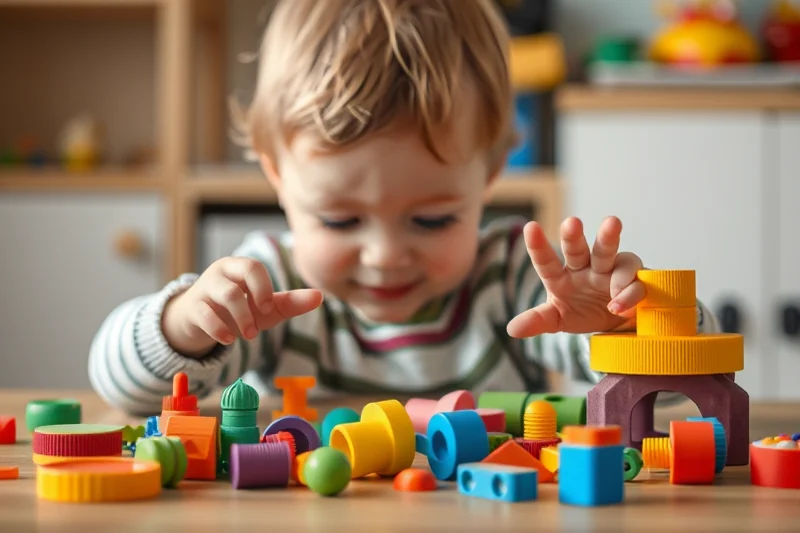
I filled a large bucket with water and handed my toddler a sponge. She immediately began pressing it into the water, squeezing it, and watching the water drip. It was simple, but it was also incredibly engaging. I watched as she became more confident in her ability to handle the sponge and the water.
This activity helped her develop her hand strength and coordination. The more she squeezed the sponge, the more water she was able to wring out. It was a natural way to introduce her to cause-and-effect relationships.
I've also noticed that this type of water play helps her with emotional regulation. When she became frustrated with the sponge not working the way she wanted, she would take a break and come back to it later. It was a subtle but important lesson in patience and persistence.
Water play with a sponge and bucket is a simple way to teach cause and effect, fine motor skills, and emotional regulation.
Related: Best sensory play for beginners
Related: Natural sensory play for beginners
Related: Affordable sensory play tips
Related: Small games for children to play indoors
Related: Minimalist Sensory Play Activities
Related: Play-based Learning Without Tools
Related: Play A Sound
Creating a DIY Sensory Mat with Things You Already Have
I gathered a few bath mats, a few plastic containers filled with different textures, and some old fabric scraps to create a sensory mat for my toddler. I laid the bath mat on the floor and scattered the textures across it, making a simple but engaging setup.
My child loved crawling over the mat, feeling the different textures under her feet, and even picking up the small items to explore them with her hands. It was a great way to encourage her to move and explore in a safe environment.
I've since made several versions of this mat, using different textures and even adding in some soft toys for her to grab. It's been a hit with my toddler, and I've noticed that she's been more active and engaged in her playtime.
Old bath mats and fabric scraps can be used to create a sensory mat with different textures. It's a great way to reuse items you already have at home.
“I remember the first time I noticed my toddler's fascination with the texture of a wet towel.”— PlayMessy editors
How to Use Everyday Items for Sensory Play in the Kitchen
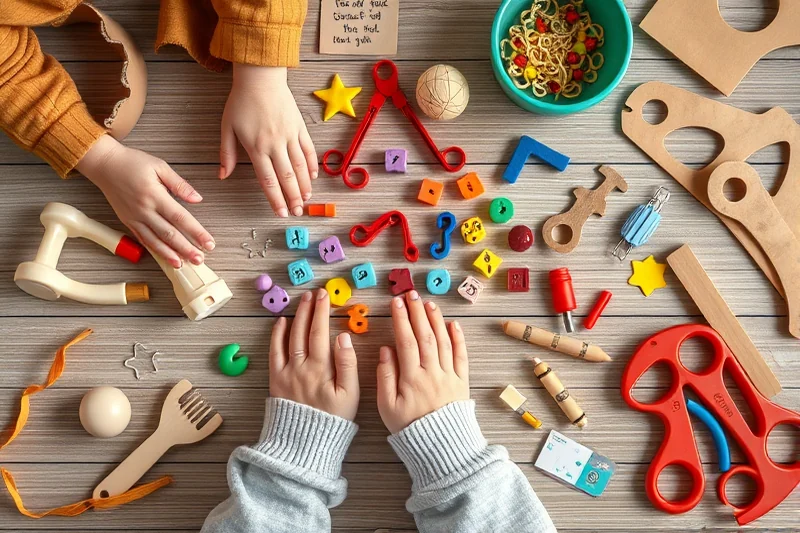
I filled a large bowl with flour and water to make a simple sensory play station in the kitchen. My toddler loved mixing the flour and water together, pressing her hands into the mixture, and even trying to make a mess. It was a fun and messy way for her to explore different textures.
This activity not only provided sensory stimulation but also helped her develop her motor skills. The more she pushed her hands into the mixture, the more she was able to move it around. It was a great way for her to learn about cause and effect.
I've also used other kitchen items like bowls, spoons, and even measuring cups to create different sensory play setups. Each time, my toddler has been engaged and excited about the activity.
Using Fabric for Sensory Play and the Benefits for Your Child
I gathered a few different types of fabric—some smooth, some bumpy, some soft and some rough—and laid them out on the floor for my toddler to explore. She loved feeling the different textures and even tried to wrap herself in the softer fabrics.
This activity helped her develop her tactile awareness and her ability to differentiate between different textures. It was also a great way for her to learn about the different properties of fabric.
I've noticed that she's been more curious about fabrics since we started this activity. She now asks about the texture of different fabrics and even tries to guess what they're made of. It's been a great way to encourage her curiosity and exploration.
⭐ Classic
A simple sensory bin with rice and dried beans, perfect for toddlers.
💰 Budget
Use items you already have at home to create a low-cost sensory bin.
⚡ Extra-Fast
Create a sensory bin in less than 10 minutes using items from around the house.
✨ Depth
Add in a variety of textures and items for a more complex and engaging sensory experience.
🥗 Light
Use lightweight items like fabric scraps and soft toys for a gentler sensory experience.
| The mistake | Why it happens | The fix |
|---|---|---|
| Using small items that could be a choking hazard for young children. | Small items like beads or small toys can be a choking hazard for toddlers and should be avoided in sensory play activities. | Use larger items that are safe for your child's age and developmental stage. |
| Not cleaning up after the activity. | Not cleaning up can lead to a mess and may cause safety issues in the home. | Always clean up after the activity and store the materials in a safe place for next time. |
| Using items that are not safe for sensory play. | Some items may be toxic or harmful if ingested or come into contact with the skin. | Use only safe, non-toxic items for sensory play and avoid anything that may be harmful if ingested. |
| Not supervising the child during sensory play. | Sensory play can involve small items or messes that may require supervision to ensure safety. | Always supervise your child during sensory play and ensure the environment is safe for them. |
What You'll Need tap to check off
- 1 lb rice
- ½ cup dried beans
- fabric scraps to taste
Method tap a step when done
- Gather a large plastic bin from the garage or a secondhand store.
- Fill the bin with rice and dried beans.
- Add in fabric scraps or other items of different textures for your child to explore.
- Mix everything together to ensure the textures are evenly distributed.
- Place the bin in a safe area where your child can explore it.
- Watch as your child interacts with the sensory bin and enjoy the developmental benefits of the activity.
Key Facts
Sensory Play Activities Without Tools
Common Questions
What are some safe and affordable materials for sensory play?
How can I create a sensory play area without any tools?
What are the developmental benefits of sensory play for young children?
Can I use everyday items from the kitchen for sensory play?
References
- Spring and Summer Sensory Play Activities - Community Education (blogs.cornell.edu)
- Rainbow Rice Sensory Play - Hirshhorn Museum and Sculpture Garden (hirshhorn.si.edu)
- Toddler Activities Without Expensive Equipment - DID YOU KNOW! (lewiscountyky.gov)
- 25 Sensational Sensory Activities for Toddlers (rasmussen.edu)
- What Is Unstructured Play? Developmental Benefits and Tips to Encourage It (wgu.edu)
Cite this guide
PlayMessy (2026). Sensory Play Activities Without Tools. https://playmessy.com/sensory-play-activities-without-tools/
Feel free to cite or share this guide.