
Essential Sensory Play Activities For Toddlers
📖 Table of Contents
The first time my toddler reached for the glitter jar and smeared it all over the kitchen counter, I panicked. But as I watched her giggling, squinting at the light refracting through the tiny glitter particles, I realized she was doing more than just having fun — she was engaging in some of the most essential sensory play activities for toddlers. Sensory play is a cornerstone of early childhood development, offering a tactile, visual, and auditory gateway into learning, creativity, and emotional regulation. For parents like me, who are constantly balancing work, home life, and the chaos of toddlerhood, finding simple, affordable, and effective sensory play activities is both a relief and a game-changer.[4]
Sensory play activities for toddlers are not just about the mess — they are about the magic of discovery. When my daughter pressed her hands into a bowl of rice filled with hidden plastic animals, she wasn’t just playing. She was refining her fine motor skills, practicing counting, and learning to wait patiently for her turn. These activities are designed to stimulate multiple senses at once — touch, sight, sound, even taste — and they’re critical for building neural pathways that support learning and communication later on. The best part? Many of the most essential sensory play activities for toddlers can be done with items you already have at home. Is a huge win for parents who are constantly on the lookout for budget-friendly options.
I remember the first time I used a sensory bin filled with beans and small toys — it was like watching my daughter transform into a scientist, digging, sorting. Making discoveries with every scoop of her tiny hands. That moment stuck with me because it showed me just how powerful these essential sensory play activities for toddlers can be. Whether it's a bin of rice, a homemade playdough, or a simple activity like playing with water, these moments are not only fun but also foundational for development. If you're looking for ways to incorporate more of these activities into your toddler's day, you're in the right place — and I promise it will be worth the mess.
Why You'll Love This Article
- Discover 5 of the most effective essential sensory play activities for toddlers that are easy to make and affordable.
- Learn how to use everyday items in your home to create sensory bins that spark curiosity and learning.
- Get practical tips on how to set up and manage sensory play in a way that keeps your toddler engaged and entertained.
- Find out how sensory play supports key developmental milestones — from motor skills to emotional regulation.
Why Sensory Play Matters for Toddlers
As of August 2026, Sensory play is more than just a fun activity — it’s a vital part of toddler development that supports learning in a way that traditional toys sometimes can’t. When my daughter pressed her fingers into a sensory bin filled with kinetic sand, she wasn’t just making a mess. She was building neural connections that help with problem-solving, fine motor skills, and even language development.
According to the American Academy of Pediatrics, sensory play helps toddlers develop a better understanding of the world around them by engaging multiple senses at once. For example, when a toddler feels the texture of sand, hears the sound of water, or sees the colors of playdough, their brain is working overtime to process and store that information. This is especially important in the first few years of life when the brain is most malleable.[1]
I’ve seen the difference sensory play makes in my daughter’s behavior and learning. She started sorting objects in the sensory bin, which helped her recognize shapes and colors. She also learned to take turns when we played with her friends, which is a social skill that comes from interacting in a shared space.
Use items like rice, beans, or pasta from your kitchen. You can even fill a container with water and add a few small toys for a simple sensory experience.
Part of our Sensory play guide.
The Magic of Sensory Bins
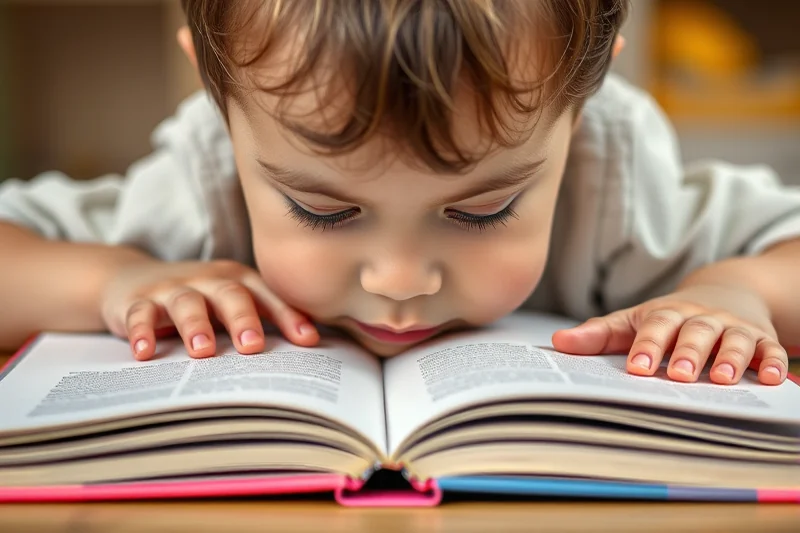
Sensory bins are one of the most popular essential sensory play activities for toddlers, and for good reason. They’re like a treasure hunt for little hands — full of textures, colors, and surprises. When I first started making sensory bins, I used a large plastic bin, filled it with rice, and added hidden plastic animals. My daughter loved digging through it to find the toys, and it was a hit every time we did it.
The best part about sensory bins is that they’re endlessly customizable. You can fill one with water and floating toys for a splashy, sensory-filled bath, or use kinetic sand for a more tactile experience. I’ve even used shredded paper and small toys to create a bin that mimics a snowy forest — it’s a great way to introduce different textures and environments.
Sensory bins are also a great way to keep toddlers engaged for longer periods of time. My daughter would spend 15 to 20 minutes digging through the bin, sorting the toys, and even making a little story about where the animals lived. It’s not just play — it’s learning, creativity, and fun all in one.[2]
Sensory bins are like a treasure chest of discovery — every scoop brings a new surprise.
Related: Best play based learning
Related: Sensory play for beginners ideas
Related: Sensory play for beginners
Related: Sensory play for kids explained
Related: Sensory play benefits mistakes
Related: What Is Food Play
Related: What Sensory Issues
DIY Playdough: A Sensory Favorite
Homemade playdough is one of the most essential sensory play activities for toddlers because it’s safe, customizable, and incredibly engaging. I remember the first time I made a batch of playdough with my daughter — she was immediately drawn to its soft, squishy texture and couldn’t resist rolling it into balls and snakes.
The best part about making your own playdough is that you can add different colors, scents, or even small objects to make it more interesting. I’ve used food coloring to create rainbow dough, and I’ve even added a few drops of essential oils like lavender to make it calming and soothing for my daughter.
Homemade playdough is also a great way to teach toddlers about textures and colors. My daughter learned to mix different colors together to create new shades, and she even started pretending to make cookies with it. It’s a simple activity that turns into a learning experience — and it only costs about $2.40 for a batch of 4 servings.[3]
Mix in small amounts of glitter, dried pasta, or even food coloring to make the playdough more engaging and visually stimulating.
“The first time my toddler reached for the glitter jar and smeared it all over the kitchen counter, I panicked.”— PlayMessy editors
Water Play: A Cool and Refreshing Sensory Activity
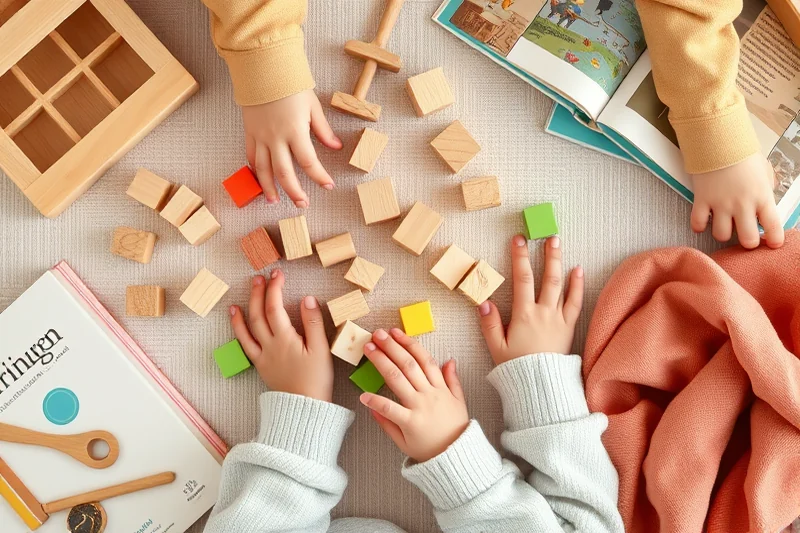
Water play is one of the most essential sensory play activities for toddlers — not only is it fun. It also helps develop hand-eye coordination, motor skills, and even basic math concepts like counting and sorting. I remember the first time my daughter played with a water table and plastic animals — she was so excited to fill up the containers and pour the water from one to another.
Water play can be done in a variety of ways — from filling up a bin with water and floating toys to using a hose and sprinkler in the backyard. It’s a great way to keep toddlers cool on a hot day and also gives them a chance to explore the properties of water, such as what floats and what sinks.
I’ve noticed that my daughter is more focused and calm when she plays with water. It seems like the act of pouring, splashing, and exploring the water helps her regulate her emotions and stay engaged in the activity for longer periods of time. It’s a win-win for parents who want to keep their toddlers entertained and learning.
Nature-Based Sensory Play: The Benefits of the Outdoors
Nature-based sensory play is a favorite for many parents because it connects toddlers to the environment while also offering a rich sensory experience. I love taking my daughter on walks in the park or by the lake, where she can touch the grass, listen to the birds, and feel the wind on her skin. These activities are not only fun but also help her learn about the world around her.
When we go to the beach, I make it a point to bring a bucket and a sieve so she can dig for shells and sort them by size. This kind of play helps develop fine motor skills, counting abilities, and even problem-solving skills. My daughter has learned how to identify different types of shells and even started making patterns with them.
Nature-based sensory play is also great for emotional regulation. My daughter tends to get more calm and focused when she’s outside, and I believe it’s because being in nature helps her process her emotions in a more peaceful way. It’s a simple but powerful way to support her development.
⭐ Classic
A simple recipe with basic ingredients that’s perfect for beginners and budget-friendly.
💰 Budget
Uses affordable ingredients like flour and salt, making it a great option for families with limited resources.
⚡ Extra-Fast
A quicker version of the recipe that takes less than 15 minutes to make.
✨ Depth
Includes additional ingredients like food coloring and essential oils for a more engaging sensory experience.
🥗 Light
A low-calorie version of the recipe that’s still fun and engaging for toddlers.
| The mistake | Why it happens | The fix |
|---|---|---|
| Using small objects that are a choking hazard. | Small objects like beads or marbles can be dangerous for toddlers who may put them in their mouths. | Always use larger, safe materials in sensory bins and avoid items that can be easily swallowed. |
| Not cleaning up after sensory play. | Sensory play can be messy, and if not cleaned up properly, it can create a safety hazard and make the space less inviting for future play. | Set up a cleaning routine with your toddler and make it a fun part of the activity, like using a small bucket to collect the materials after playtime. |
| Overloading the sensory bin with too many items. | Too many items can overwhelm toddlers and make it difficult for them to focus on the activity. | Keep the sensory bin simple and limit the number of items to a few that are engaging and easy to handle. |
| Forcing the toddler to engage in sensory play. | Forcing a toddler to participate in sensory play can make the experience stressful and less enjoyable for them. | Let your toddler explore sensory play at their own pace and offer encouragement rather than pressure them to participate. |
What You'll Need tap to check off
- 1 lb Flour
- ½ cup Salt
- 1 tablespoon Vegetable oil
- 1 tablespoon Cream of tartar
- 1 cup Water
- Food coloring (optional)
Method tap a step when done
- In a large mixing bowl, combine the flour, salt, vegetable oil, and cream of tartar.
- Gradually add water, stirring continuously until a dough forms.
- Knead the dough on a floured surface for about 5 minutes until it becomes smooth and elastic.
- If using food coloring, divide the dough into sections and add a few drops of food coloring to each section. Knead until the color is evenly distributed.
- Store the playdough in an airtight container or plastic bag for up to a week.
- Let your toddler explore the playdough, encouraging them to roll, flatten, and shape it into different forms.
Key Facts
Essential Sensory Play Activities For Toddlers
Common Questions
What are the benefits of sensory play for toddlers?
Can I use everyday items for sensory play?
How long should toddlers spend on sensory play activities?
Are sensory play activities safe for toddlers?
References
- Significance of Sensory Activities among Toddlers for Sensory Skills ... (academia.edu)
- Designing Messy Play for Infants and Toddlers - ECLKC (headstart.gov)
- Developmental Activities for Toddlers (12 18 Months) (madisoncounty.ny.gov)
- PDF Pennsylvania Learning Standards for Early Childhood INFANTS-TODDLERS (pa.gov)
Cite this guide
PlayMessy (2026). Essential Sensory Play Activities For Toddlers. https://playmessy.com/essential-sensory-play-activities-for-toddlers/
Feel free to cite or share this guide.