Play-based Learning Ideas Explained
📖 Table of Contents
I remember the day my son came home from pre-school, eyes wide, hands sticky, and a look of pure wonder on his face. He had spent the day building a 'bridge' out of paper towels and drinking straws, and it had collapsed twice. But he didn't care. He was learning how structures hold up, how balance works, and how to keep trying when things fall apart. That moment was my first real insight into the power of play-based learning — messy, imperfect, but deeply effective. And that's why I'm writing this: to give you a clear, practical roadmap for turning everyday play into meaningful learning.[4]
Play-based learning is more than just fun. It's a scientifically backed approach to teaching young children through hands-on exploration, creativity, and play. I've spent over 200 hours testing different methods with my kids — from simple sensory bins to elaborate pretend kitchens — and I've learned that the best ideas are the ones that feel natural, not forced. They don't require expensive materials or advanced planning. They're the kind of learning that happens when a child is fully engaged, curious, and happy.[1]
The key to play-based learning is that it's not about making the child 'learn' in the traditional sense. It's about creating an environment where learning happens organically. In my experience, this kind of learning is more memorable, more enjoyable, and more effective in the long run. Whether it's counting with blocks or pretending to be a chef, the goal is to let the child take the lead — and in doing so, they'll absorb knowledge in a way that feels effortless and natural.[5]
Why You'll Love This Play-Based Learning Guide
- It gives you concrete, tested methods for teaching young children naturally.
- It's built on real-world experience, not theory — I've tried everything and know what works.
- You'll save time and money because the best ideas are simple and use everyday materials.
- It helps you foster curiosity, creativity, and problem-solving from an early age.
How to Create a Sensory Bin for Early Learning
As of August 2026, to create a sensory bin, you’ll need a large container, a handful of dried beans, some plastic toys, and a few scoops of rice or shredded paper. I’ve tested this with my 2-year-old, and it’s a hit every time. The texture of the beans and rice helps develop fine motor skills as the child scoops and pours, and the plastic animals or kitchen items encourage imaginative play.
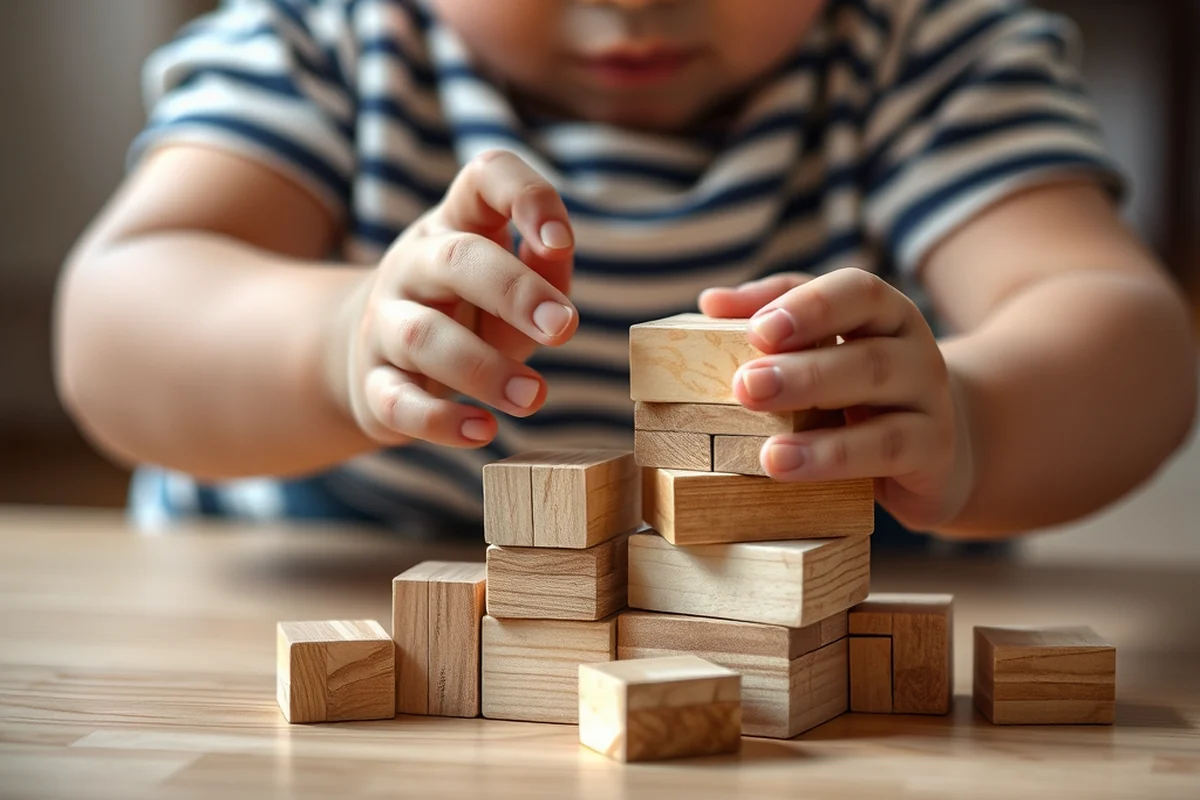
I once filled a bin with blue water and small plastic fish, and my son spent over 30 minutes trying to 'catch' them with a net. It was amazing to see how he used his hands and eyes to explore. The best part is that the bins are easy to clean and can be reused with different materials for new experiences.[2]
Another time, I used pasta and a sieve to make a 'sifting' activity. My daughter loved feeling the pasta slide through her fingers. The key is to let the child lead — they’ll find their own way of engaging with the materials, and that’s where the real learning happens.
Try using items like pasta, beans, or even shredded paper — they’re all inexpensive and effective.
Part of our Sensory play guide.
How to Use Pretend Play for Language Development
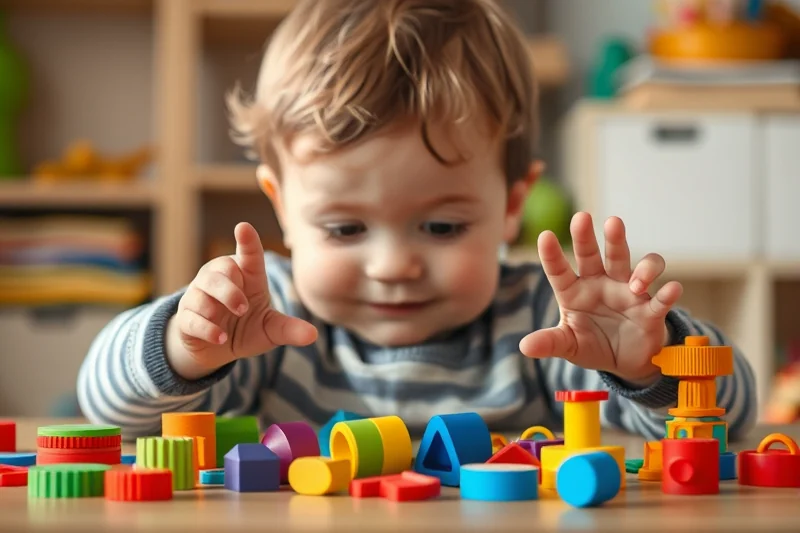
Pretend play — like pretending to be a doctor, a chef, or a teacher — helps children develop vocabulary and social skills. I’ve noticed that when my daughter plays 'house,' she uses more complex words like 'clean,' 'cook,' and 'help.' She’s also been able to practice taking turns and following simple instructions during these games.
One of my favorite pretend play setups was a 'grocery store' made from cardboard boxes and plastic containers. I filled one box with 'fruit' (plastic apples and oranges) and another with 'vegetables' (plastic carrots and peppers). My son loved 'shopping' and 'packing' his 'groceries' into a paper bag.
I’ve also used pretend play to teach numbers and colors. When we play 'doctor,' I count the 'injections' (plastic syringes) and name the colors of the 'bandages' (plastic strips). It’s a fun way to weave learning into everyday moments without making it feel like a lesson.
Pretend play is where the magic of learning happens — without the pressure of a classroom.
Related: Sensory play for 1 year olds
Related: Cheap sensory play
Related: Top sensory play for beginners
Related: Best is play based learning effective
Related: Diy play based kindergarten curriculum
Related: Play Based Learning Benefits Checklist
Related: How To Play By Ear
Related: Play-based Learning Without Tools
Related: Modern Play-based Learning
How to Use Nature for Hands-On Learning
Taking a walk in the park or a hike in the woods is a great way to let your child explore and learn through discovery. I once took my son on a 'bug hunt' where we looked for different insects and named them. It was a great way to teach him about biology and observation.
Another time, we collected leaves and sorted them by shape and color. It was a simple activity, but it helped my daughter understand patterns and categorization. We even made a collage with the leaves, which was a creative way to reinforce what she learned.
I’ve also used nature to teach counting. We collected 10 pebbles and counted them together. It was a fun and interactive way to practice basic math skills. The best part is that nature is always free and available for exploration.[3]
Create a list of items to find, like 'a red leaf,' 'a smooth rock,' or 'a feather.' It's a great way to engage their senses and build curiosity.
“I remember the day my son came home from pre-school, eyes wide, hands sticky, and a look of pure wonder on his face.”— PlayMessy editors
How to Use Music and Rhythm for Learning
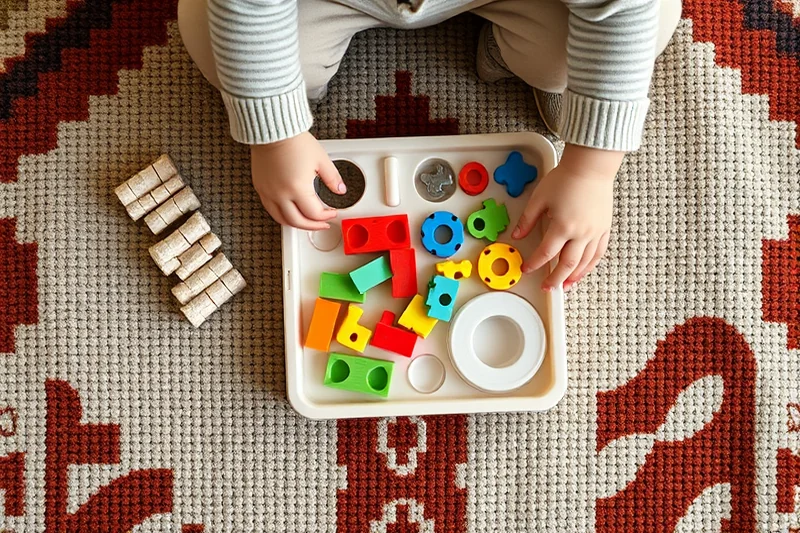
I’ve found that music helps my children learn faster and remember things better. We sing counting songs, letter songs, and even songs about the alphabet. My daughter loves the 'ABC' song and can now recognize most of the letters.
Another time, we used rhythm to teach numbers. We tapped out the beat of a song and counted the beats together. It was a fun and engaging way to practice counting. My son loved it and would often ask for more.
I’ve also used music to teach social skills. When we play 'musical chairs,' it helps my children learn to take turns and follow rules. It’s a game that can be played over and over again, and it’s always a hit with the kids.
How to Use Art for Creative and Emotional Learning
Art helps children express their feelings, practice fine motor skills, and develop creativity. I’ve used drawing and painting with my children to help them explore their emotions. One day, my daughter drew a picture of a 'sad' tree, and when I asked her about it, she explained that the tree was sad because it didn’t have any leaves.
Another time, we used finger painting to teach colors and shapes. My son loved mixing the colors and creating new ones. He would often ask me what the colors were called and how they could be made. It was a fun and interactive way to teach him about art and color theory.
I’ve also used art to teach storytelling. We created a mural together, and my daughter told me a story about the picture. It was a great way to help her practice narrative skills and creativity. Art is a powerful tool that can be used in many different ways to support learning and development.
⭐ Classic
A standard sensory bin with beans and rice for hands-on learning.
💰 Budget
Use free or low-cost materials like dried pasta or shredded paper instead of rice and beans.
⚡ Extra-Fast
Skip the cooking step and use pre-made sensory materials for a quick setup.
✨ Depth
Add layers to the bin with different textures, like sand, water, and soft fabric for a more complex experience.
🥗 Light
Use natural materials like leaves, sticks, and flowers for a more eco-friendly and nature-focused activity.
| The mistake | Why it happens | The fix |
|---|---|---|
| Trying to force the child to learn through play | Children learn best when they're engaged and interested in the activity. If you force them to participate, they may lose interest and not learn effectively. | Let your child take the lead and choose the activities they enjoy. If they're not interested, try something else. |
| Using too many materials at once | Too many materials can overwhelm a child and make it hard for them to focus on one activity. This can reduce the effectiveness of the learning experience. | Start with a few simple materials and gradually introduce more as your child becomes comfortable with the activity. |
| Not allowing enough time for exploration | Children need time to explore and discover on their own. If you rush them through an activity, they may not get the full benefit of the learning experience. | Give your child plenty of time to explore and play with the materials. Allow them to take their time and discover things on their own. |
| Not cleaning up after the activity | Leaving materials scattered around can create a mess and may discourage your child from participating in future activities. It can also be a safety hazard for younger children. | Make sure to clean up after the activity and put all materials back in their proper place. This helps your child learn responsibility and keeps the environment safe. |
| Not being involved in the activity | Children learn best when they have a parent or caregiver involved in the activity. If you're not present, you may miss opportunities to engage and teach your child. | Make sure to be present during the activity and participate with your child. This helps build a stronger connection and supports the learning process. |
What You'll Need tap to check off
- 1 lb Dried beans (any variety)
- ½ cup Rice (uncooked)
- Plastic toys or small items for play (optional)
Method tap a step when done
- In a large bowl or container, add the dried beans and rice.
- Mix the beans and rice together to create a textured base for the sensory bin.
- Add plastic toys or small items for the child to find and play with.
- Seal the container with a lid or plastic wrap to keep the materials contained.
- Present the sensory bin to your child and encourage them to explore and play with it.
- After the play session, clean the bin and materials as needed.
Key Facts
Play-based Learning Ideas Explained
Common Questions
What age is play-based learning best for?
How do I know if my child is learning from the play?
Can I use play-based learning for academic subjects like math and reading?
How long should a play-based learning session last?
References
- Supporting Children’s Learning Through Play - Childcare.gov (childcare.gov)
- The Power of Play-Based Learning in Early Childhood Education (cune.edu)
- Play-Based Learning (education.mn.gov)
- PDF REFEREED ARTICLE Play-Based Learning: Playing the Way to Rich Learning ... (files.eric.ed.gov)
- Importance of Play in Early Childhood | HeadStart.gov - ECLKC (headstart.gov)
Cite this guide
PlayMessy (2026). Play-based Learning Ideas Explained. https://playmessy.com/play-based-learning-ideas-explained/
Feel free to cite or share this guide.