Play-based Learning Tips Under 30 Minutes
📖 Table of Contents
I remember the first time my daughter sat at the kitchen table, her tiny hands smushed into a pile of flour and sugar, giggling as she made a mess of the ingredients. It wasn’t a lesson in chemistry or math, but it was the beginning of something powerful: play-based learning. In those moments, she wasn’t just mixing things together—she was exploring textures, counting scoops, and learning about the world through curiosity. That day, I realized that learning didn’t have to be structured or lengthy. It could be fun, messy, and under 30 minutes.[1]
Play-based learning is more than a buzzword—it’s a strategy that fits into the rhythm of our everyday lives. As a parent who’s juggled work, school drop-offs, and the occasional toddler tantrum, I’ve learned that the best learning happens in the most unstructured moments. Whether it’s building with blocks, sorting laundry by color, or pretending to run a grocery store, these activities are not only engaging but also deeply educational. The key is making sure they’re short enough to keep our attention and long enough to spark real understanding.
In this article, I’m sharing practical, time-tested play-based learning tips that you can do with your child in under 30 minutes. These ideas are rooted in real-life experience, and they’ve worked with my daughter and the kids of friends. We’ll explore how to turn simple household items into learning tools, how to weave education into daily routines, and why this approach is so effective for young minds. Let’s make learning something that feels natural, joyful, and easy to fit into even the busiest days.[2]
Why You'll Love This Approach
- No need for elaborate setups or expensive materials—just everyday objects and a little creativity.
- Learning feels natural and fun, so your child will be more engaged and less resistant.
- Short, focused activities help build attention span and focus without overwhelming little learners.
- You can easily adapt these ideas to fit your child’s interests and developmental stage.
How to Turn Cleaning into a Learning Opportunity
As of August 2026, I’ve found that turning cleaning into a learning experience is one of the easiest ways to sneak in education. For example, sorting laundry by color or texture can teach categorization, while folding clothes helps with fine motor skills and spatial awareness. My daughter especially loved the challenge of matching socks, which became a game of speed and accuracy. It only took about 15 minutes and required no extra materials, just a willingness to make chores part of the learning journey.[3]
Another idea is using a timer to make cleaning a race against the clock. This builds a sense of urgency and helps teach time management. I once turned a 20-minute session into a mini competition, where the goal was to clean a specific area in the house. It was surprising how much my daughter was willing to help when she thought of it as a game rather than a task.[4]
The key is to make the activity interactive and meaningful. I’ve noticed that when my daughter is involved in the process, she’s more likely to stay focused and learn more. It’s also a great way to teach responsibility and independence, which are important life skills that can be cultivated through play.
Grab three large bins and label them with different categories, like ‘red,’ ‘blue,’ and ‘green.’ Ask your child to sort items accordingly. This helps with color recognition and classification skills.
Part of our Sensory play guide.
Sensory Play with Everyday Materials

I’ve found that sensory play is one of the most effective ways to engage a child’s senses and encourage exploration. Whether it’s playing with water, sand, or even flour, these activities help build cognitive, social, and emotional skills. I once used a bowl of flour and a few kitchen tools to create a mini bakery, and my daughter was completely absorbed for the entire 25 minutes. She was learning about textures, measuring, and even pretending to be a baker—something I never would have anticipated.[5]
Another favorite was mixing cornstarch and water to make a non-Newtonian fluid. It was fascinating to watch my daughter experiment with how the mixture changed when she hit it or stirred it. This kind of play not only helps with fine motor skills but also introduces basic scientific concepts in a way that’s easy to understand.
The beauty of sensory play is that it doesn’t require any special equipment. I’ve used things like rice, pasta, and even shaving cream to create different textures. All it takes is a bit of creativity and a willingness to let your child explore.
Sensory play is the best way to engage a child’s curiosity and creativity.
Related: Best sensory play definition
Related: Sensory play for kids explained
Related: Sensory play benefits mistakes
Related: Sensory play and child development without tools
Related: Modern sensory play activities for toddlers
Related: Modern Play-based Learning
Related: Is Play Based Learning Effective Tips
Related: Small Play Based Learning Definition
Related: Play-based Learning Without Tools
Related: Play-based Learning Tips Step By Step
Using Stories to Teach Concepts
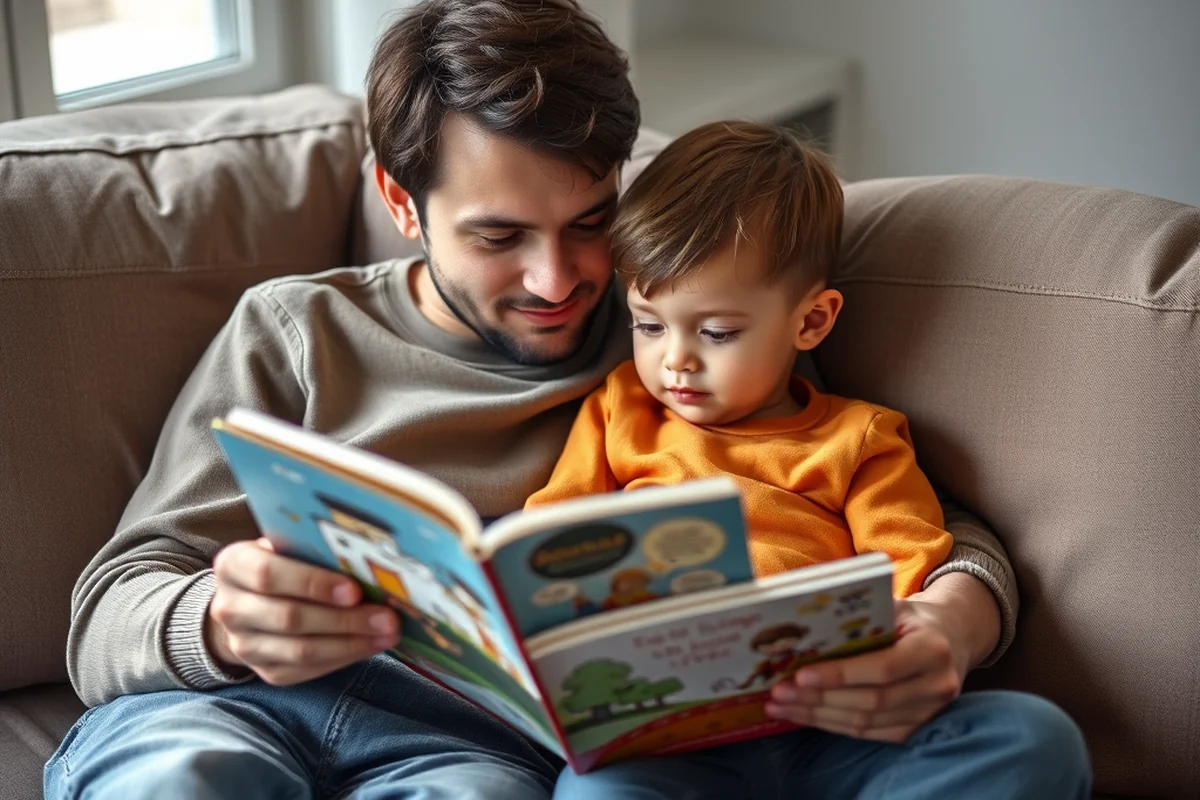
I’ve discovered that storytelling is a fantastic way to teach concepts like emotions, problem-solving, and even basic math. I used to read short stories to my daughter and then ask her questions about the characters and their actions. This not only helped her understand the story better but also encouraged her to think critically and express her ideas.
One of my favorite activities was creating a simple puppet show with my daughter. We used a few household items, like a sock and a button, to make a puppet and then acted out stories together. It was amazing to see how engaged she was and how much she learned about sequencing, dialogue, and even empathy. These sessions usually took about 20 minutes and were a hit with both of us.
Another idea was using picture books and asking your child to predict what might happen next in the story. This helps with comprehension and encourages active participation. I’ve noticed that when my daughter is involved in the storytelling process, she’s more likely to remember the lessons and apply them in real life.
Use blankets to make a simple tent and gather household items like toys or blocks as props. Let your child act out a story or create one of their own. This helps with creativity, language development, and social skills.
“I remember the first time my daughter sat at the kitchen table, her tiny hands smushed into a pile of flour and sugar, giggling as…”— PlayMessy editors
Related: Play Based Learning Under 30 Minutes
Music and Rhythm: A Playful Way to Learn
I’ve found that music and rhythm are incredibly powerful tools for learning, especially for young children. I once created a simple rhythm game with my daughter using sticks and a cardboard box. We tapped out different patterns and took turns making up our own. It was a great way to teach her about rhythm, timing, and even basic math concepts like counting and pattern recognition.
Another idea was using songs to teach the alphabet or numbers. I used to sing the alphabet song while playing with letter blocks and then ask my daughter to find the letters we were singing about. It was surprising how quickly she picked up the letters when she was having fun and not being forced to learn.
The best part about music-based learning is that it doesn’t require any special equipment. A few simple instruments or even clapping hands can create a fun and engaging learning environment. I’ve noticed that when my daughter is involved in musical activities, she’s more focused and willing to learn.
Making Math Fun with Play
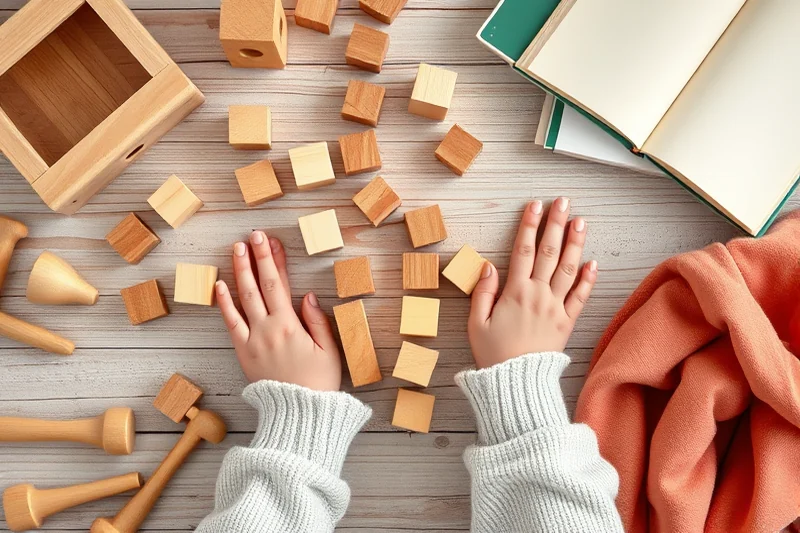
I’ve found that math doesn’t have to be boring or intimidating. One of my favorite activities was using blocks to teach counting and basic addition. My daughter would stack the blocks and then count them out loud. We even played a game where we had to build a tower with exactly five blocks, which helped reinforce counting skills and the concept of numbers.
Another idea was using sorting games with different colored or shaped objects. I used to gather a few items from around the house and ask my daughter to sort them by color, size, or shape. This not only helped with sorting and categorization but also improved her attention to detail and problem-solving skills.
The key is to make math feel like a game rather than a chore. I’ve noticed that when my daughter is having fun, she’s more likely to stay engaged and learn more. It’s also a great way to introduce basic math concepts in a way that’s easy to understand and remember.
⭐ Classic
The original homemade play dough recipe, perfect for any child.
💰 Budget
A version that uses fewer ingredients and is more cost-effective.
⚡ Extra-Fast
A quicker version of the recipe that can be made in less than 15 minutes.
✨ Depth
An advanced version that includes additional ingredients for a more complex texture.
🥗 Light
A lighter version of the recipe with fewer calories and less oil.
| The mistake | Why it happens | The fix |
|---|---|---|
| Trying to force learning on your child | Children learn best when they are engaged and interested. Forcing learning can make them resistant and less likely to participate. | Make learning feel like a game or part of a fun activity. Involve your child in the process and let them take the lead. |
| Using too many materials or complicated setups | Simple and easy activities are more effective and keep the child engaged. Overcomplicating the setup can be overwhelming and reduce the learning experience. | Use everyday items and keep the setup simple. Focus on one or two key learning objectives per activity. |
| Not being patient with the learning process | Learning takes time and repetition. Rushing the process can lead to frustration and a lack of understanding. | Be patient and allow your child to explore and discover at their own pace. Celebrate small successes and encourage them to keep trying. |
| Not adapting the activities to your child’s interests | Children are more engaged when they are interested in the activity. Failing to adapt the activities to their interests can lead to disengagement. | Tailor the activities to your child’s interests and preferences. Let them choose what they want to learn and how they want to learn it. |
What You'll Need tap to check off
- 1 lb all-purpose flour
- ½ cup salt
- ½ cup baking soda
- 1 cup vegetable oil
- 2 cups water
- food coloring (optional)
Method tap a step when done
- In a large mixing bowl, combine the flour, salt, and baking soda.
- Add the vegetable oil and mix until the ingredients are well combined.
- Slowly add the water, stirring continuously until the mixture forms a dough.
- If using food coloring, add a few drops and mix until the color is evenly distributed.
- Knead the dough on a floured surface for about 5 minutes until it becomes smooth and elastic.
- Store the dough in an airtight container or plastic bag for up to 3 days.
Key Facts
Play-based Learning Tips Under 30 Minutes
Common Questions
How can I make play-based learning more engaging for my child?
What are some quick and easy play-based learning activities I can do with my child?
How can I incorporate learning into household chores?
What are some benefits of play-based learning?
References
- PDF Furthering our Understanding of Play to Promote Competencies in Head ... (acf.gov)
- PDF The Powerful Role of Play in Early Education (cde.ca.gov)
- Play-Based Learning (education.mn.gov)
- PDF Learning Through Play in Teacher Education (faculty.tamuc.edu)
- New Online Modules for Educators Cultivate Joyful Learning (nces.ed.gov)
Cite this guide
PlayMessy (2026). Play-based Learning Tips Under 30 Minutes. https://playmessy.com/play-based-learning-tips-under-30-minutes/
Feel free to cite or share this guide.