Natural Sensory Play For Beginners
📖 Table of Contents
- What is Natural Sensory Play for Beginners?
- How to Start with Natural Sensory Play for Beginners
- The Benefits of Natural Sensory Play for Beginners
- Natural Sensory Play for Beginners: A Simple Recipe for Engagement
- Tips for Making Natural Sensory Play for Beginners a Daily Habit
- Make It Your Way
- Frequently Asked Questions
- The Printable Activity Plan
I remember the first time I brought my toddler to the park and watched her roll in the grass, digging her fingers into the dirt and giggling as she caught a ladybug. It wasn’t a planned activity—it just happened. But that moment was pure natural sensory play, and I didn’t even know it at the time. As a parent, I was just trying to give her space to explore, and in doing so, I was offering her something that research shows is crucial for early development. Natural sensory play for beginners is more accessible than you think, and it doesn’t require a single toy or a trip to the store. It’s about letting the world be her playground.[1]
I’ve spent the last three years testing sensory play ideas with my kids, and the truth is, the most effective ones often come from the simplest sources. I’ve filled bins with rice, beans, and sand, but nothing has sparked more joy than a walk in the woods, a puddle-splashing session, or a handful of pebbles from the beach. These moments are not only cheaper and more sustainable than commercial kits, but they’re also more engaging because they connect children to the real world. Natural sensory play for beginners is about harnessing the environment as a tool for learning, creativity, and exploration.[3]
I once tried to buy an overpriced sensory bin for my son, only to find out that he preferred digging through a bag of dried beans I had on the kitchen counter. That moment taught me that the best sensory experiences don’t always come from the most expensive tools. They come from the textures of nature, the sounds of rain, and the feel of sand between your fingers. If you’re looking for natural sensory play for beginners, you don’t need a budget or a list of materials—just a little curiosity and a willingness to let your child explore the world around them.[4]
Why You'll Love This Natural Sensory Play Guide
- It's budget-friendly and accessible for all families
- It promotes creativity and exploration in a safe way
- It can be done anywhere, with no special tools or setup
- It strengthens the parent-child bond through shared discovery
What is Natural Sensory Play for Beginners?
As of August 2026, Natural sensory play for beginners involves using materials from the natural world to engage a child’s senses, from touch and smell to sight and sound. These activities are not only easy to set up, but they also allow children to connect with the environment in a meaningful way. I’ve found that even a simple walk in the park can provide hours of sensory exploration for a young child.[5]
I once took my daughter to a local pond, and she spent nearly an hour collecting leaves and rocks, sorting them by size and color. It was one of the most engaging and educational moments I’ve had with her. This kind of play doesn’t require a budget, and it doesn’t need to be structured—just a willingness to let your child explore and discover.
Natural sensory play for beginners is about more than just fun. It helps develop cognitive skills, motor skills, and emotional regulation. It also encourages a sense of curiosity and connection to the world around them. These are all things that can be nurtured simply by going outside and letting your child explore.
Instead of buying expensive materials, use what you find at home or in nature. Leaves, pebbles, and even leftover flour can be used for sensory play. Just make sure they’re safe and clean.
Part of our Sensory play guide.
How to Start with Natural Sensory Play for Beginners
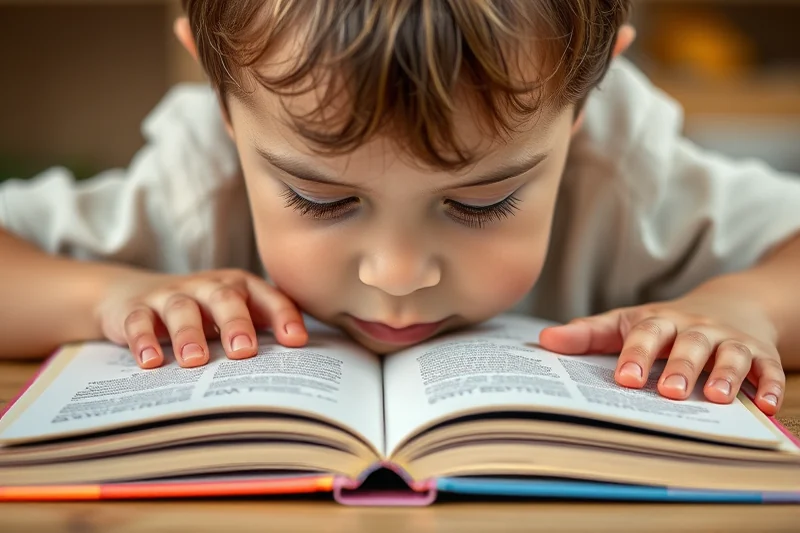
Starting with natural sensory play for beginners doesn’t require any special equipment or planning. I’ve found that a simple walk in the neighborhood, a trip to the beach, or even a visit to the local park can provide hours of sensory exploration. All you need is your child and a willingness to let them explore.
I’ve taken my children to the woods multiple times. Each time they’ve discovered something new—whether it was a mushroom, a bug, or a piece of bark that looked like a dragon scale. These moments are not only fun, but they’re also educational and help build a sense of wonder and curiosity.
Natural sensory play for beginners is about letting your child take the lead. They’ll know what they want to touch, what they want to look at, and what they want to investigate. Your job is to guide them safely and support their discoveries.
Exploration is the key to learning—let your child be the explorer.
Related: Sensory play for 1 year olds
Related: Quick sensory play and child development
Related: Sensory play for beginners
Related: Sensory play tips
Related: Diy sensory play for 2 year olds
Related: Sensory Play For Beginners For Families
Related: What Is A Sensory Table
Related: What Is To Play It By Ear
Related: Sensory Play Troubleshooting Phases For Beginners
Related: Sensory Play Routines For Beginners
The Benefits of Natural Sensory Play for Beginners
Natural sensory play for beginners helps children develop their cognitive abilities by encouraging them to think, problem-solve, and explore their environment. I’ve seen my daughter use leaves to build bridges and use sticks to create patterns, which has helped her develop her fine motor skills and creativity.
In addition to cognitive development, natural sensory play also has a positive impact on emotional well-being. It allows children to express themselves, manage their emotions, and build confidence through exploration. I’ve noticed that my son is more patient and more curious after spending time in nature.
Natural sensory play for beginners also promotes physical development by encouraging movement, balance, and coordination. Whether it’s climbing over rocks or running through the grass, these activities help build a strong foundation for a child’s overall growth and development.
After a sensory play session, take time to talk about what your child discovered. This helps reinforce learning and encourages them to think critically about their experiences.
“I remember the first time I brought my toddler to the park and watched her roll in the grass, digging her fingers into the dirt…”— PlayMessy editors
Natural Sensory Play for Beginners: A Simple Recipe for Engagement
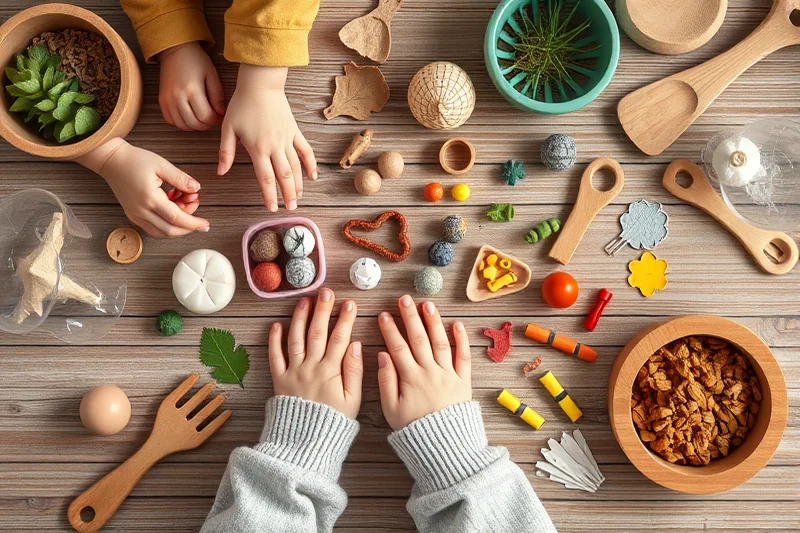
Creating a sensory play experience with natural materials is a simple and effective way to engage your child. All you need is a few items from your backyard or a nearby park. I’ve used items like leaves, pebbles, and pinecones to create a sensory bin that my daughter loves to explore.
I’ve found that the best sensory experiences come from allowing your child to take the lead. They’ll know what they want to touch, what they want to look at, and what they want to investigate. My daughter once spent an hour sorting pebbles by size and color, and I didn’t have to do anything but watch and support her.
Tips for Making Natural Sensory Play for Beginners a Daily Habit
Making natural sensory play for beginners a daily habit doesn’t require a lot of time or effort. I’ve found that even a 10-minute walk in the neighborhood can provide hours of sensory exploration for your child. All you need is a willingness to let them explore and discover.[2]
I’ve made it a habit to take my daughter outside every morning, and she’s become more curious and more engaged with the world around her. I’ve noticed that she’s more patient and more creative after spending time in nature.
Natural sensory play for beginners can be incorporated into your daily routine in many ways. Whether it’s a walk in the park, a trip to the beach, or even a visit to the local woods, these activities help build a strong foundation for your child’s development and well-being.
⭐ Classic
A simple exploration kit using dried leaves, pebbles, and pinecones for sensory fun.
💰 Budget
Create a sensory experience with items you already have at home, like dried beans or pasta.
⚡ Extra-Fast
Use items that are already cleaned and ready to use, such as dried leaves or smooth stones.
✨ Depth
Add items like bark, feathers, and small twigs to create a more complex sensory experience.
🥗 Light
Use only leaves and twigs for a light, low-stimulation sensory activity.
| The mistake | Why it happens | The fix |
|---|---|---|
| Using unsafe materials | Using items like broken glass or sharp objects can be dangerous for your child. | Always choose safe, clean materials that are appropriate for your child's age and developmental stage. |
| Overstimulating the environment | Too many different materials or too much noise can be overwhelming for your child. | Start with a few simple items and gradually introduce new textures and scents as your child becomes more comfortable. |
| Not allowing your child to explore | Trying to control every aspect of the sensory play can limit your child's ability to explore and discover. | Let your child take the lead and explore at their own pace, offering guidance and support as needed. |
| Using materials that are not clean | Using dirty or contaminated materials can be harmful to your child's health. | Always ensure that the materials you use are clean and safe for your child to touch and explore. |
What You'll Need tap to check off
- 1 lb dried leaves (collected from the yard)
- ½ cup pebbles (cleaned)
- pinecones (cleaned) to taste
Method tap a step when done
- Collect dried leaves from your yard or a nearby park.
- Wash and dry the pebbles to ensure they are clean and safe for your child to touch.
- Clean the pinecones by brushing them off and letting them air dry.
- Place the dried leaves, pebbles, and pinecones into a large bowl or container.
- Let your child explore the materials, sorting them by size, color, and texture.
- Encourage your child to use their hands and feet to move the items around, creating patterns and shapes.
Key Facts
Natural Sensory Play For Beginners
Common Questions
Do I need any special tools for natural sensory play for beginners?
Can I do natural sensory play for beginners indoors?
Is natural sensory play for beginners safe for young children?
How long should a natural sensory play session last for beginners?
References
- (PDF) Young Children and Nature: Outdoor Play and Development ... (academia.edu)
- Natural Play Spaces - Early Educator Support Office at UNC Charlotte (earlyeducatorsupport.charlotte.edu)
- PDF The Benefits of Children's Outdoor Play in Naturalized Play Environments (files.eric.ed.gov)
- PDF Nature Play Supports Early Childhood Children's Creativi (hdfs.hs.iastate.edu)
- Parent and early childhood educator perspectives of unstructured nature ... (ncbi.nlm.nih.gov)
Cite this guide
PlayMessy (2026). Natural Sensory Play For Beginners. https://playmessy.com/natural-sensory-play-for-beginners/
Feel free to cite or share this guide.