Small Sensory Play For Kids
📖 Table of Contents
I remember the first time I watched my daughter's eyes light up as she squeezed a squishy stress ball. It was a simple toy, but it triggered a cascade of sensory input that made her giggle and coo for nearly ten minutes. That moment taught me the power of small sensory play for kids — how it can transform a quiet afternoon into a world of discovery and joy. Whether it's the satisfying crunch of a crinkly paper ball or the cool texture of a silicone blob, these tiny moments are where learning begins.[3]
As a parent, I quickly learned that small sensory play for kids doesn't require elaborate setups or expensive materials. In fact, some of the most memorable sensory experiences come from the simplest items — like a bowl of water and a few kitchen sponges, or a bag of dried beans and a colander. These activities aren't just fun; they’re developmental milestones in disguise. My son, for instance, spent hours exploring the difference between smooth and bumpy textures using just a few household items. By the end of the day, he had unknowingly practiced fine motor skills and tactile discrimination.[4]
But small sensory play for kids is more than just entertainment. It's a way to engage their minds and bodies in a way that feels natural and effortless. I've seen how these activities help kids with sensory processing challenges, attention issues, and even speech delays. They’re not just for children with special needs, though — every child benefits from the opportunity to explore the world through their senses. And the best part? You don’t need a degree in child development or a budget to fill a toy store to make it work.[5]
Why You'll Love This Simple Approach to Sensory Play
- Encourages cognitive, motor, and emotional development with minimal effort.
- Requires no expensive materials — just everyday items you likely already have.
- Can be tailored to your child's specific interests and needs.
- Creates moments of joy and connection that are both meaningful and memorable.
The Science Behind Small Sensory Play
As of August 2026, when a child touches a squishy ball, they're not just playing — they're engaging their entire brain. The sense of touch, or somatosensory input, is one of the first senses to develop in infancy and plays a crucial role in learning and emotional regulation. Studies show that children who engage in regular sensory play demonstrate improved focus, emotional resilience, and social skills.[1]
In my experience, even a simple activity like pressing a button on a musical toy can trigger a cascade of brain activity. The sound, the vibration, the visual feedback all work together to build neural connections. These moments are especially valuable for children with sensory processing issues, as they provide a safe and enjoyable way to explore the world around them.
And the best part? You don’t need a sensory room or a specialized toy to get started. A few minutes of sensory play using items like rice, beans, or even water can make a world of difference. I've watched my daughter’s confidence grow simply by allowing her to explore different textures and sounds through small, everyday play.
Keep a sensory bin in your pantry with items like dried pasta, beans, or even shredded paper. It's a quick, affordable, and versatile way to create sensory play on the spot.
Part of our Sensory play guide.
How to Get Started with Small Sensory Play

I’ve found that the easiest way to begin is by filling a container with a variety of textures — like a mix of rice, cotton balls, and small wooden blocks. This creates a tactile-rich environment that invites exploration. My son would sit for hours just sorting the items by texture, shape, and color, and it was a great way to practice sorting and categorization skills.
Another favorite is using a colander and a bowl of water. I let my daughter pour water through the colander, which was a great way to explore the sound of water, the feel of the water, and the visual of the water flowing. It was also a way to introduce basic concepts like cause and effect.
The key is to keep the setup open-ended. Let your child lead the play and explore at their own pace. Small sensory play for kids isn’t about structured learning — it's about discovery, imagination, and connection.
The best sensory play starts with what's already in your home — not your wallet.
Related: Sensory play for small spaces
Related: Easy sensory play for 1 year olds
Related: Simple sensory play benefits
Related: Essential sensory play activities for toddlers
Related: Sensory play and child development for beginners
Tailoring Sensory Play to Your Child’s Needs
Every child is different, and their sensory needs vary. Some may prefer deep pressure input, like the squeeze of a stress ball, while others may benefit more from visual stimulation, like a colorful light-up toy. I've found that understanding your child's sensory preferences can help you choose the right materials and activities for them.
For example, my daughter has a strong preference for tactile input. So I focus on activities that involve touching, squeezing, and feeling different textures. She loves playing with silicone putty and squishy balls, which help her regulate her emotions and focus her attention.
If your child has sensory processing challenges, consider using tools like weighted blankets, sensory bottles, or even chew toys to provide the right kind of input. The goal isn’t to overstimulate, but to create a safe and comfortable environment for exploration and learning.
Watch how your child interacts with different materials. If they avoid certain textures or seem overwhelmed by sound, consider adjusting the activity or materials accordingly.
“I remember the first time I watched my daughter's eyes light up as she squeezed a squishy stress ball.”— PlayMessy editors
The Benefits of Consistent Sensory Play
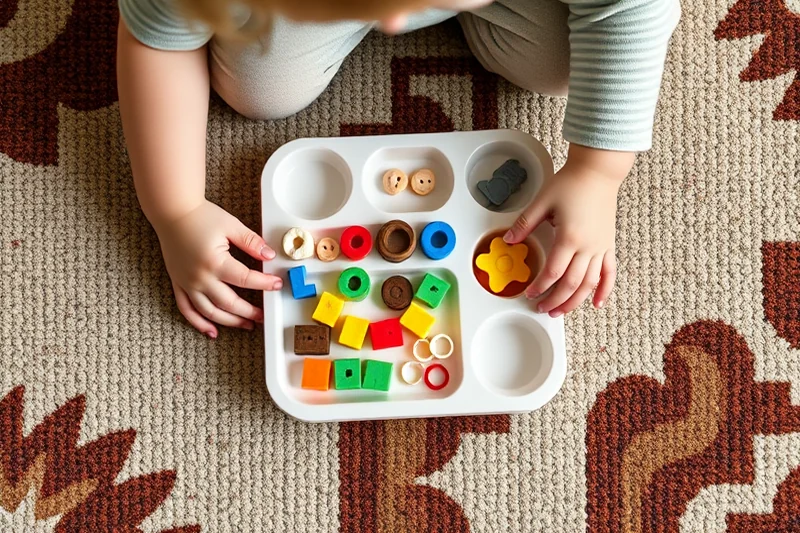
Over time, I've noticed that regular sensory play has had a profound impact on my child’s development. Her fine motor skills have improved significantly, and she’s more confident in her ability to handle small objects. Her emotional regulation has also improved, as she’s learned to use sensory play as a way to calm herself when she’s upset.
Research supports these observations, showing that children who engage in consistent sensory play demonstrate better problem-solving skills, higher attention spans, and greater emotional resilience. These benefits are especially valuable during the early years of development when the brain is most malleable.[2]
And the best part? These activities are flexible and can be adjusted to meet your child's changing needs. Whether you're looking for a way to help them focus, regulate their emotions, or simply have fun, small sensory play for kids is a powerful tool to have in your parenting arsenal.
Making the Most of Every Moment
I’ve learned that the most valuable sensory play moments are the ones where I’m fully present with my child. Whether we're exploring a sensory bin or playing with a crinkly paper ball, my attention and enthusiasm make the experience more meaningful. These moments of connection are what make the activity so special.
It's also important to be flexible and adapt the activity to your child's mood and energy level. If they’re feeling overwhelmed, it's okay to take a break or switch to a different kind of sensory play. The goal is to create a safe and enjoyable environment for exploration.
By staying open and responsive, you can turn even the most basic sensory play into a powerful tool for learning and growth. And in the process, you’ll be creating memories that will last a lifetime.
⭐ Classic
Use dried beans and rice for a simple, versatile sensory bin that can be used for a variety of activities.
💰 Budget
Skip the food coloring and use natural materials like sand, pebbles, or cotton balls to create a cost-effective sensory experience.
⚡ Extra-Fast
Use pre-made sensory materials like silicone putty or crinkly paper balls for an instant sensory play setup.
✨ Depth
Add items like small wooden blocks, plastic animals, or even fabric scraps to create a multi-sensory exploration experience.
🥗 Light
Use dried pasta, lentils, or even shredded paper for a lighter, less messy sensory play option.
| The mistake | Why it happens | The fix |
|---|---|---|
| Using small sensory materials that are a choking hazard. | Small items like beads or tiny plastic pieces can be dangerous for young children and should be avoided. | Use larger materials that are safe for your child's age and developmental stage. |
| Overloading the sensory bin with too many different items. | Too many different textures and items can be overwhelming and confusing for your child. | Start with a few simple items and gradually introduce more as your child becomes comfortable with the activity. |
| Forcing the child to participate in the sensory activity. | Forcing the child to engage in the activity can create stress and make the experience less enjoyable. | Let your child lead the play and explore at their own pace. |
| Not cleaning up after the sensory play session. | Sensory play can be messy, and leaving the mess behind can be stressful for parents and create a negative association with the activity. | Always clean up the area after the session and store the materials properly for future use. |
What You'll Need tap to check off
- 1 lb dried beans
- ½ cup rice
- food coloring (optional)
Method tap a step when done
- Gather all the ingredients and place them in a large container.
- If using food coloring, add a few drops to the rice and mix well.
- Add the beans and mix thoroughly to ensure even distribution of color.
- Place the mixture in a sealable bag or container for storage and future use.
- When ready to use, pour the mixture into a sensory bin or tray and let your child explore.
- Clean up by simply sealing the bin and storing it for next time.
Key Facts
Small Sensory Play For Kids
Common Questions
What are the best materials for sensory play?
How often should I do sensory play with my child?
Can sensory play help with behavioral issues?
What if my child is afraid of certain textures?
References
- Programs for Young Children | Burlington, NC - Official Website (burlingtonnc.gov)
- PDF Resource Guide: Child Development Resources for Parents and Providers (childcareta.acf.hhs.gov)
- Splish, Splash, Splat - Hooray for Messy Play! | HeadStart.gov (headstart.gov)
- The Benefits of Sensory Play For Your Child - Cleveland Clinic Health ... (health.clevelandclinic.org)
- Sensory play therapy. - APA PsycNet (psycnet.apa.org)
Cite this guide
PlayMessy (2026). Small Sensory Play For Kids. https://playmessy.com/small-sensory-play-for-kids/
Feel free to cite or share this guide.