Minimalist Play-based Learning Ideas
📖 Table of Contents
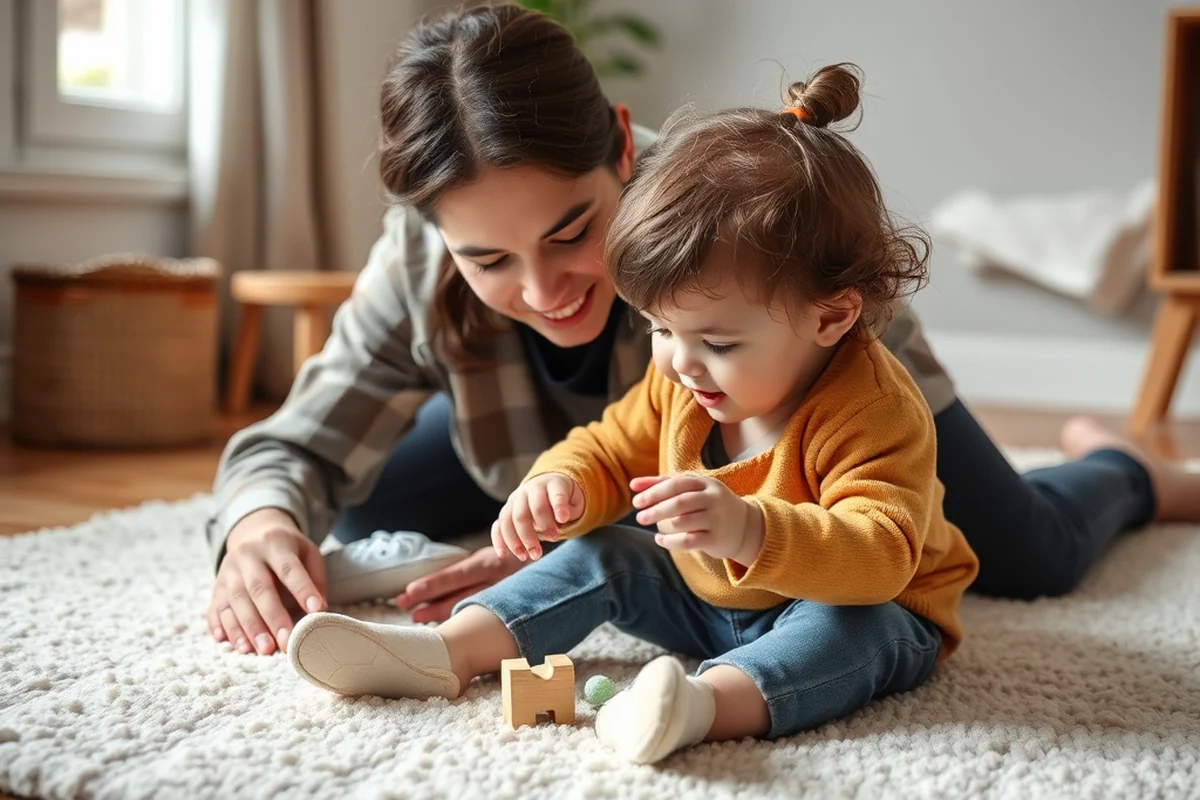
When my son turned two, I was overwhelmed by the sheer number of toys and learning tools on the market. Every day felt like a race to keep up with the latest educational trends, all while my toddler was more interested in knocking things off the table than engaging with them. It wasn’t until I stumbled upon the idea of minimalist play-based learning that things began to shift. Instead of buying more, I started simplifying — and the results were better than I ever imagined.[2]
Minimalist play-based learning isn’t about stripping away all creativity or educational value. It’s about curating a few high-quality, open-ended materials that spark curiosity and learning naturally. I still remember the first time my son spent 30 minutes just stacking cardboard boxes — not to build a castle, but to explore what would happen if he rolled them down the hallway. That moment was a turning point for me. It showed me that sometimes, less is more with learning.[1]
Since that day, I’ve become a convert of this approach. It’s not only cost-effective — I’ve saved hundreds of dollars by eliminating the need for specialty toys — but it also nurtures deeper thinking, creativity, and self-directed learning. I’ve seen my child go from being a chaotic toddler to a self-motivated problem-solver who eagerly explores the world through play. If you’re looking for a way to simplify your parenting while boosting your child’s development, minimalist play-based learning might be the answer you’ve been searching for.[3]
Why You'll Love This Approach
- Encourages independent thinking and creativity
- Cost-effective and reduces clutter
- Promotes deep, self-directed learning
- Easy to adapt and implement with everyday items
How to Start with Minimalist Play-Based Learning
As of August 2026, the key to minimalist play-based learning is to focus on quality over quantity. I started by keeping a small basket of items like wooden blocks, fabric scraps, and natural materials like pebbles and sticks. These items are versatile and can be used for sorting, counting, building, and storytelling. I found that my toddler was more engaged with these materials than with any of the flashier, branded toys we owned.[4]
One of the most surprising things I noticed was how quickly my child adapted to using these materials in new ways. He turned fabric scraps into a ‘puppet show’ one day and into a ‘restaurant’ the next. This flexibility taught him to think creatively and solve problems on his own, without relying on instructions or pre-designed activities.[5]
I’ve also found that this approach is much more sustainable in the long run. Instead of buying new toys every month, I reuse items in different ways. This not only saves money but also reduces the amount of clutter in our home, which has made our daily life more peaceful and organized.
Choose 3–5 items that can be used in multiple ways, like blocks, natural materials, or fabric scraps. Rotate them regularly to keep play fresh and engaging.
Part of our Sensory play guide.
The Power of Open-Ended Materials
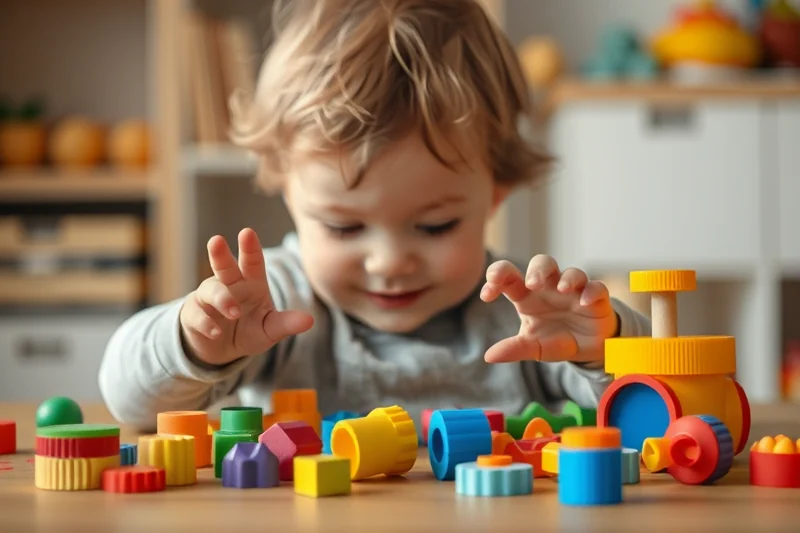
One of the best things about minimalist play-based learning is that it gives kids the freedom to use materials in whatever way they choose. I’ve seen my toddler use wooden blocks to build towers, sort them by color, and even pretend they were cars on a highway. This kind of open-ended play encourages creativity, critical thinking, and problem-solving skills.
Another advantage is that these materials can be used for a wide range of developmental activities. For example, sorting buttons by size or color helps with fine motor skills and early math concepts. Using fabric scraps for storytelling or role-play supports language development and imaginative thinking. I’ve noticed that my child is now more confident in exploring new ideas and taking initiative in his play.
One of the hardest parts of the transition was letting go of the idea that every toy needs to have a specific educational purpose. But the more I embraced open-ended materials, the more I saw how much my child was learning on his own, without any instruction. It was both surprising and incredibly rewarding.
Letting go of the need for every toy to have a specific purpose opened up a world of learning and creativity.
Related: Sensory play activities
Related: Diy play based kindergarten curriculum
Related: Sensory play benefits tips
Related: Quick Play-based Learning Ideas
Related: Play Based Learning Definition Ideas
Related: Play Based Learning Benefits Checklist
Related: Minimalist Sensory Play Ideas
Related: Play-based Learning Without Tools
Related: Modern Play-based Learning
Incorporating Nature into Play-Based Learning
I started taking my toddler outside more often, and it was a game-changer. We collected leaves, sticks, and pebbles to use as materials for building, sorting, and pretending. Nature is full of textures, colors, and shapes that stimulate a child’s senses and spark curiosity. One day, we used sticks to create a ‘bridge’ in the backyard, and the next, we used leaves to make a ‘flower garden’ in the bathtub.
One of the biggest benefits of using natural materials is that they are free and always available. I’ve found that even simple activities like sorting leaves by size or color can be both educational and fun. My toddler has started asking questions like, ‘Why is this leaf green?’ and ‘What makes this rock feel rough?’ These are the kinds of questions that lead to deeper learning and exploration.
I’ve also noticed that spending time in nature has helped my child develop a stronger connection with the world around him. He’s more curious, more engaged, and more willing to explore. It’s a win-win for both our family and his development.
Take your child outside regularly and collect natural items like leaves, sticks, and stones. Use them for sorting, building, and storytelling. The world is your classroom.
“When my son turned two, I was overwhelmed by the sheer number of toys and learning tools on the market.”— PlayMessy editors
How to Keep Learning Fun and Engaging
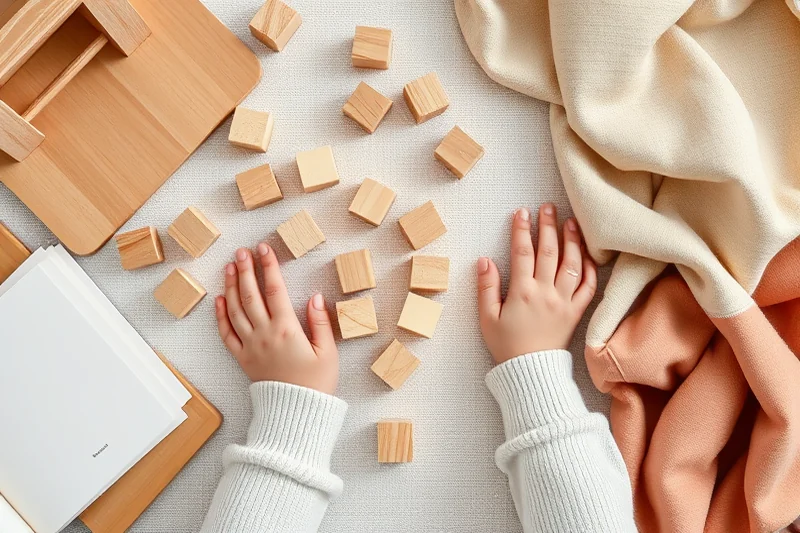
I’ve learned that the best way to keep play-based learning fun is to follow my child’s curiosity. If he’s interested in cars, we use sticks and blocks to build a road. If he’s into animals, we use fabric scraps to make a ‘zoo’ with different animals. This approach keeps him engaged and excited about learning.
Another way to keep things fun is to let him set the pace. I’ve noticed that when I try to direct his play or impose my own agenda, he becomes disinterested. But when I step back and let him explore on his own, he’s more creative and engaged. I’ve seen him spend hours building with blocks or sorting buttons, completely absorbed in his own world.
The key is to stay flexible and open to new ideas. I’ve found that even the simplest materials can lead to the most interesting and educational play. It’s all about being present and allowing my child to take the lead.
The Long-Term Benefits of Minimalist Play-Based Learning
One of the most significant long-term benefits I’ve seen is the development of self-directed learning. My toddler has become more confident in exploring new ideas and taking initiative in his play. He’s no longer waiting for me to tell him what to do — he’s figuring things out on his own.
I’ve also noticed that he’s developing stronger problem-solving skills. Instead of immediately getting frustrated when something doesn’t work, he now tries different approaches and persists until he finds a solution. This kind of resilience is something that will serve him well as he grows.
Another benefit is that minimalist play-based learning fosters a deeper connection with the world around him. He’s more curious, more engaged, and more willing to explore. It’s a win-win for both our family and his development.
⭐ Classic
Use natural items like sticks, leaves, and stones for sorting and building.
💰 Budget
Use household items like paper, fabric scraps, and cardboard for open-ended play.
⚡ Extra-Fast
Keep a small basket of ready-to-use materials for quick play sessions.
✨ Depth
Incorporate sensory materials like sand, water, and fabric for more immersive play.
🥗 Light
Use lightweight materials like tissue paper and cotton balls for gentle, tactile play.
| The mistake | Why it happens | The fix |
|---|---|---|
| Choosing too many materials at once | This can overwhelm your child and reduce the effectiveness of minimalist play-based learning. | Start with a small selection of materials and add more as needed. |
| Forcing your child to use materials in a specific way | This can discourage creativity and reduce engagement. | Let your child explore and use the materials in their own way. |
| Not rotating materials regularly | This can lead to boredom and disengagement. | Rotate materials every few days to keep play fresh and interesting. |
| Using materials that are too small or unsafe | This can pose a choking hazard and reduce the effectiveness of play-based learning. | Choose safe, age-appropriate materials that are easy to handle and manipulate. |
What You'll Need tap to check off
- 1 lb Natural materials (sticks, pebbles, leaves)
- ½ cup Fabric scraps
- Wooden blocks (optional)
Method tap a step when done
- Gather natural items like sticks, leaves, and pebbles from outside.
- Sort the materials by size, color, or texture.
- Place fabric scraps in a basket for use in storytelling or role-play.
- Add wooden blocks if available for building and counting activities.
- Store everything in a small basket for easy access.
- Rotate the materials every few days to keep play fresh and engaging.
Key Facts
Minimalist Play-based Learning Ideas
Common Questions
How do I know which materials to choose?
How often should I rotate the materials?
Can this approach work for older kids?
What if my child loses interest quickly?
References
- Supporting Children's Learning Through Play - Childcare.gov (childcare.gov)
- Game-Based Learning | Center for Innovation in Teaching & Learning (citl.illinois.edu)
- The Power of Play-Based Learning in Early Childhood Education (cune.edu)
- Early Childhood Education Teachers' Experiences with Implementing Play ... (digitalcommons.liberty.edu)
- Play-Based Learning (education.mn.gov)
Cite this guide
PlayMessy (2026). Minimalist Play-based Learning Ideas. https://playmessy.com/minimalist-play-based-learning-ideas/
Feel free to cite or share this guide.